


A New Travel Trend Emerges
Munich's legendary Oktoberfest, a 16-day spectacle of Bavarian culture, has long been a magnet for global tourists. But a significant new trend has taken hold. Recent travel data for the 2026 festival, which runs from September 19th to October 4th, reveals
a massive surge in visitors from India. Air bookings have skyrocketed by nearly 60% year-on-year, making India the fastest-growing major market for the event. This isn't just about joining the world's biggest party; it’s about a savvy approach to travel. Indian tourists are masterfully blending the revelry of the festival with the rich history and beauty of Munich, proving that a trip to Bavaria can be both exhilarating and culturally enriching.
Crafting the Perfect Dual-Purpose Itinerary
The key to this popular travel strategy is smart scheduling. Many are discovering the ideal way to experience both sides of Munich is to dedicate mornings to sightseeing and afternoons and evenings to the festival. Mornings in Munich are perfect for exploring the city’s attractions when they are relatively calm. This allows for unhurried visits to museums, palaces, and parks. As the day progresses and the festival grounds—known as the Theresienwiese or "Wiesn"—come alive, travelers shift their focus. This approach avoids the exhaustion of a full day at the festival and ensures they don't miss out on the city's permanent treasures. It’s a balanced itinerary that maximizes both fun and discovery.
Munich's Morning Sightseeing Circuit
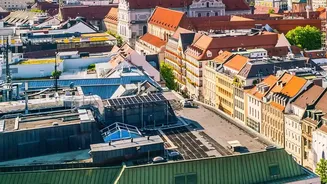
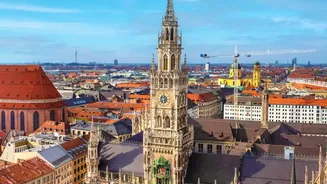
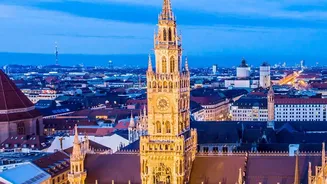
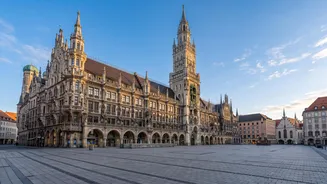
Before the beer steins are lifted, Indian travelers are exploring Munich's architectural and cultural gems. The heart of the city, Marienplatz, with its stunning New Town Hall (Neues Rathaus), is a popular first stop. From there, many venture to the sprawling English Garden (Englischer Garten), one of the world's largest urban parks, for a peaceful walk. Other must-see sites include the opulent Nymphenburg Palace, the former summer residence of Bavarian monarchs, and the Deutsches Museum, a world-class science and technology museum. These sites offer a deep dive into German history and artistry, providing a perfect cultural counterpoint to the festival's boisterous energy.
Afternoons at the 'Wiesn': An Oktoberfest Primer
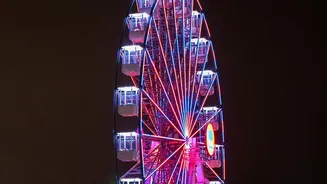
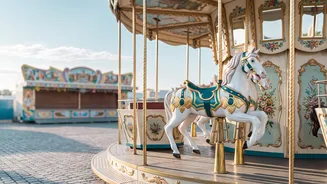
As midday approaches, the focus shifts to the Theresienwiese. For first-timers, the sheer scale of Oktoberfest can be overwhelming. The festival is free to enter, with the main attractions being the massive beer tents, each run by one of Munich's six major breweries. Inside, long wooden tables are packed with people from all over the world, a brass band plays traditional music, and servers carry armfuls of one-liter beer mugs called a Maß. Beyond the tents, the grounds feature a huge funfair with rides, games, and countless food stalls selling everything from giant pretzels to roasted chicken. While weekends are packed, visiting on a weekday afternoon often makes it easier to find a seat in a tent without a reservation.
Practical Tips for Indian Travellers
Planning a trip during this peak season requires foresight. Flights and accommodation are best booked months in advance to avoid exorbitant prices. Indian nationals require a Schengen visa, so the application process should be started early. Once in Munich, the public transport system is highly efficient for getting around. For packing, layers are key; September in Germany can bring both sunny days and cool evenings. Comfortable shoes are non-negotiable, as a day of sightseeing followed by walking the festival grounds requires them. While credit cards are accepted in many places, it's wise to carry some cash, especially for smaller purchases at the festival. Finally, while many Germans in tourist areas speak English, learning a few basic German phrases like "Danke" (thank you) and "Bitte" (please) is always appreciated.