



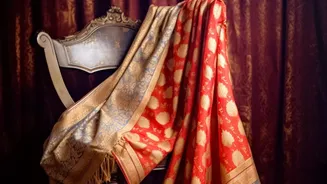

Every Piece Tells a Story
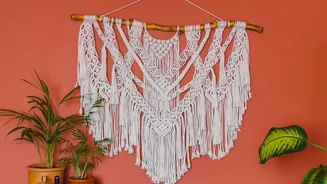
Unlike mass-produced items that are identical and anonymous, each handmade piece carries a narrative. It might be a block-printed cushion from a Jaipur market, a terracotta vase from a local potter, or a woven wall hanging you discovered online. These
items have a history, a connection to the artisan who created them, and a story that becomes part of your own. Displaying sentimental objects, whether they are heirlooms or souvenirs from your travels, turns your home into a visual autobiography, sparking conversations and creating a space that is uniquely yours. This emotional depth is something that factory-made decor, designed to be neutral, can rarely provide.
The Unique Charm of Imperfection
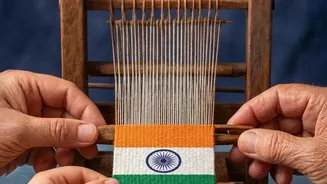
Mass production is engineered for uniformity, but the beauty of handmade often lies in its subtle imperfections. The slight variations in colour, the texture of a hand-thrown pot, or the asymmetry in a woven pattern are not flaws; they are marks of authenticity. These details ensure that no two pieces are exactly alike, giving your decor a one-of-a-kind character. This uniqueness adds a layer of warmth and humanity to a room, preventing it from feeling sterile or like a page from a catalogue. It celebrates the human touch and moves away from a disposable, trend-driven approach to decorating.
A Connection to Craftsmanship and Sustainability
Choosing handmade decor is often a more sustainable and ethical choice. It supports local artisans, traditional craftsmanship, and small businesses over large corporations. Many artisans use locally sourced materials and small-batch production methods, which generally have a lower environmental impact than large-scale manufacturing. This conscious consumerism allows you to invest in quality and longevity. Handcrafted items are often made with superior materials and greater attention to detail, resulting in durable pieces that you can take with you from one home to the next, reducing waste.
Effortless, Renter-Friendly Style
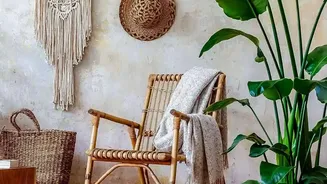
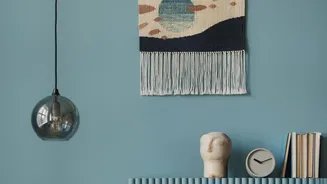
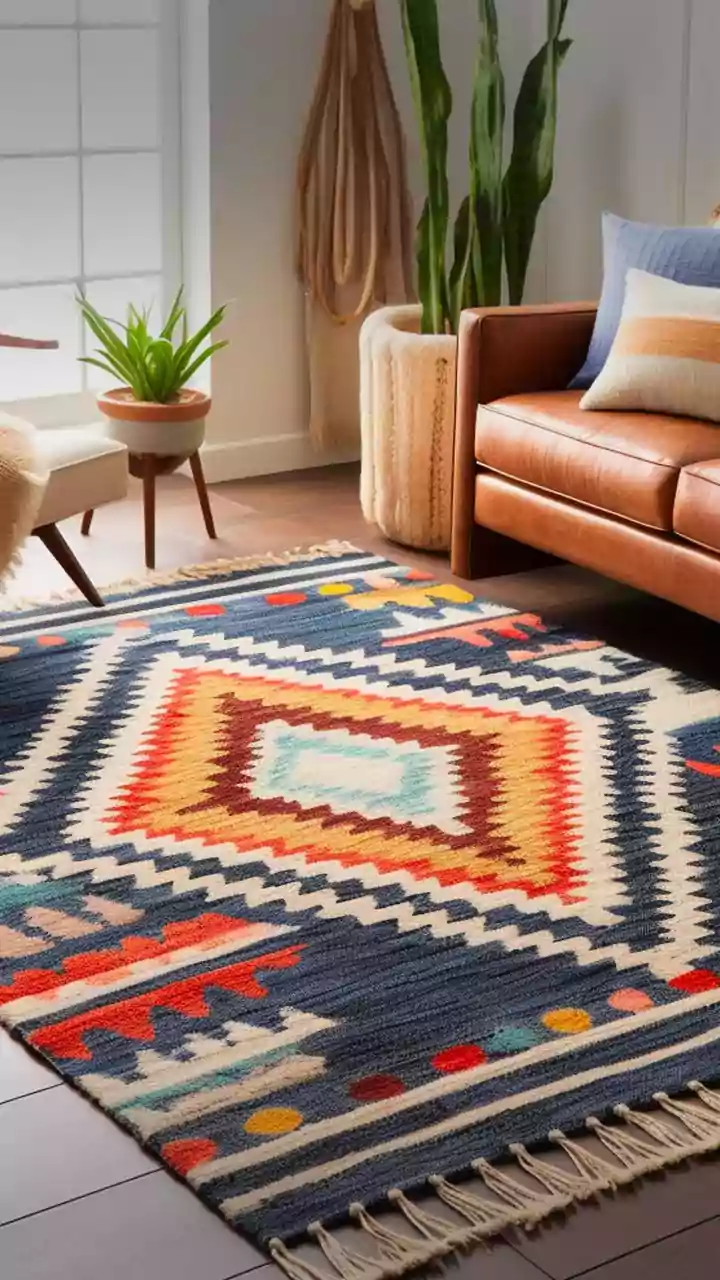
Perhaps the greatest advantage for renters is that handmade decor is inherently flexible and non-permanent. Textiles like rugs, throws, and curtains can instantly add colour and texture. A gallery wall of small paintings or prints can be hung using damage-free adhesive strips. Pottery, small sculptures, and other objects can be styled on bookshelves, consoles, or side tables without requiring any installation. Even larger statement pieces like a striking lamp or a lightweight canvas can define a space without any structural changes. These items are investments in your personal collection, not in a specific address, making each new rental feel like home faster.
Where to Find Your Handmade Treasures
Building a collection of handmade items is a journey, not a race. In India, opportunities abound. Explore local craft markets and state emporiums that showcase regional specialities. Online platforms have also opened up a world of options, connecting buyers directly with artisans from across the country. Don't overlook thrift stores or family heirlooms, which can hold unique and story-rich pieces. Start by looking for items that genuinely resonate with you, whether it's the colour, the material, or the story behind it. A single, well-chosen piece can have a significant impact.