







1. Master Your Drainage
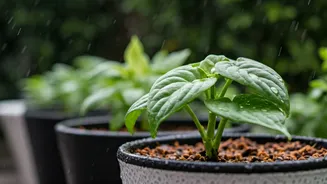
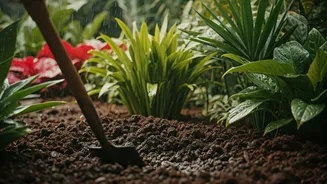
Waterlogging is the number one enemy of a monsoon garden. Roots need oxygen to breathe, and submerged soil suffocates them, leading to root rot. If you use pots, ensure they have ample drainage holes. You can even add a layer of broken pottery shards
(thekri) or gravel at the bottom before adding soil. For garden beds, consider creating gentle slopes or shallow trenches around the perimeter to guide excess water away. Another simple hack is to elevate your pots by placing them on bricks or pot stands. This small lift prevents them from sitting in puddles and dramatically improves air circulation around the base.
2. Choose Monsoon-Ready Plants
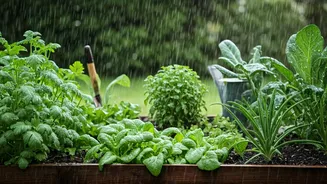
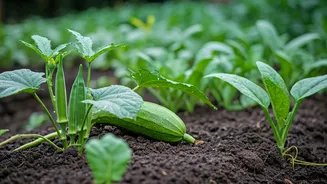
Not all plants enjoy a deluge. This is the perfect time to grow leafy greens and vegetables that love moisture. Think about planting spinach (palak), fenugreek (methi), coriander (dhania), and amaranth (chaulai). They grow fast in the humid weather and you can get multiple harvests. For vegetables, this is the ideal season for gourds like bottle gourd (lauki), ridge gourd (turai), and bitter gourd (karela). They love the humidity. You can also successfully grow okra (bhindi), chillies, and brinjal. Avoid planting root vegetables like carrots or radishes in water-logged soil, as they are prone to rot. Instead, plant them in raised beds with loose, well-draining soil.
3. Fight Pests and Fungi Naturally
The damp, humid conditions of the monsoon are a breeding ground for fungal diseases and pests like slugs and snails. Stay vigilant. Inspect your plants daily, especially the undersides of leaves. For a simple, effective anti-fungal spray, mix a few drops of neem oil with a litre of water and a drop of liquid soap (which acts as an emulsifier). Spray this solution on your plants once a week as a preventive measure. To deter slugs and snails, you can create a barrier of crushed eggshells or coarse sand around the base of your plants. These create a surface that’s uncomfortable for them to crawl over.
4. Provide Structural Support
Heavy rains and strong winds can easily damage delicate plants, especially climbers and tall, top-heavy plants like tomato and chilli. Before the monsoon really sets in, provide them with sturdy support. Install trellises for your gourds and other climbers. For single-stem plants, a simple stake made of bamboo or a sturdy stick pushed into the soil next to the plant will do. Use soft ties like strips of old cloth or jute twine to loosely attach the stem to the stake, allowing it some room to move and grow without snapping in the wind.
5. Don't Overwater
This seems obvious, but it’s a common mistake. Gardeners are so used to their daily watering routine that they continue it into the monsoon. On rainy days, your plants won't need any extra water. On days without rain, check the soil before watering. Poke your finger about an inch into the topsoil. If it feels damp, hold off. If it feels dry, then it's time to water. Overwatering, especially when the air is already saturated with moisture, is a fast track to root rot and other fungal issues. Let nature do the work for you whenever possible.
6. Prune for Air and Light
A dense, overgrown plant is more susceptible to disease during the monsoon because moisture gets trapped within its foliage, preventing airflow. Strategic pruning is your best friend. Trim away any dead or yellowing leaves immediately. Thin out some of the lower branches and leaves to open up the plant, allowing air to circulate freely and sunlight to penetrate deeper. This not only reduces the risk of fungal infections but also encourages the plant to direct its energy towards producing more fruits and healthier leaves.