







Two Paths to Weight Loss
The health landscape has been transformed by a new class of drugs known as GLP-1 receptor agonists, which include medications like semaglutide and liraglutide. These drugs work by mimicking gut hormones to suppress appetite, leading to substantial and often
rapid weight loss. They are widely seen as a breakthrough in managing obesity. On the other hand, we have the time-tested method: physical exercise. For decades, activities from brisk walking to strength training have been a cornerstone of weight management and overall health. Both approaches can effectively lower body weight, which on the surface seems like an equivalent victory for health. However, recent studies are beginning to look beyond the scale and into the deeper physiological changes that occur with each method.
A Tale of Two Outcomes
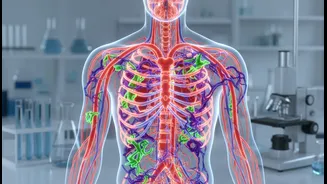
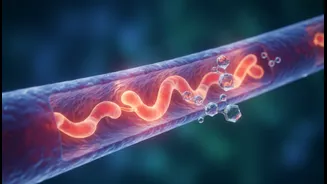
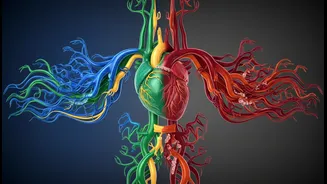
A recent landmark study from the University of Copenhagen highlights this crucial difference. Researchers took a group of individuals with obesity who had already lost a significant amount of weight through a low-calorie diet. For the following year, they were divided into groups: some used a weight-loss drug (liraglutide), some exercised, some did both, and some received a placebo. The results were illuminating. While the medication was effective at helping people maintain their weight loss, it did not produce improvements in vascular health. In contrast, the groups that exercised—whether they also took the medication or not—showed significant gains. They experienced healthier, more flexible blood vessels and a reduction in chronic inflammation, both of which are key factors in preventing cardiovascular disease.
It's Not Just Weight, It's Quality
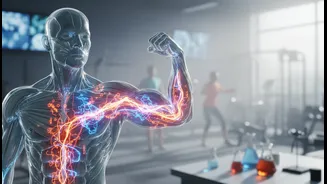
So, why the difference? It comes down to the quality of the weight being lost. Rapid weight loss from medication alone often results in the loss of both fat and lean muscle mass—in some cases, up to 40% of the weight shed is muscle. This is a significant concern because muscle is metabolically active tissue. Losing it can slow down your metabolism, making long-term weight maintenance more difficult and potentially compromising functional strength. Exercise, particularly resistance training, counteracts this effect. It signals the body to preserve, and even build, precious muscle mass while primarily burning fat for energy. This ensures that the weight you lose is predominantly the kind you want to lose, leading to a healthier body composition.
The Unique Benefits of Movement
Exercise delivers a host of cardiovascular benefits that medication simply cannot replicate. Physical activity directly trains your heart, making it a more efficient pump. It boosts the body's production of nitric oxide, a molecule that helps relax and widen blood vessels, which lowers blood pressure. It also improves your cholesterol profile by raising 'good' HDL and lowering 'bad' LDL, and reduces the systemic inflammation that contributes to plaque buildup in arteries. These powerful effects happen in response to the physical demands of movement and are often independent of weight loss itself. It is these mechanisms that likely explain why the exercisers in the Copenhagen study saw vascular improvements while the medication-only group did not.