


Understand the Monsoon's Phased Retreat
September is not uniformly post-monsoon across India. The Southwest Monsoon begins its withdrawal from the northwestern parts of the country, like Rajasthan, in early September. This means hill stations in Himachal Pradesh and Uttarakhand start to see
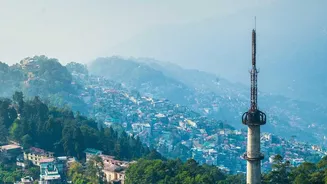
clearer skies and sunnier days. However, the retreat is gradual, taking weeks to move southeast. For the Northeast and the Western Ghats in Kerala and Tamil Nadu, September can still bring significant rainfall. Therefore, your destination's location is the first critical check. A trip to Spiti Valley might be dry and sunny, while a plan for Darjeeling or Munnar could still involve plenty of rain. The weather is a mixed bag, and you must plan for the specific region you intend to visit.
Verify Real-Time Weather and Safety Advisories
While general patterns suggest improving weather, the start of September can still be volatile. Recent forecasts for 2026 show active monsoon conditions continuing into the first week of September in states like Himachal Pradesh and Uttarakhand. Authorities have issued warnings for heavy rainfall and advised residents and tourists to exercise caution. The ground is often saturated after months of rain, making hillsides unstable. This increases the risk of landslides even with moderate rainfall. Before you book and before you leave, check the latest forecasts from the India Meteorological Department (IMD) and heed any local advisories. Do not rely solely on generic travel guides, as conditions can change rapidly.
Confirm Road Conditions and Accessibility
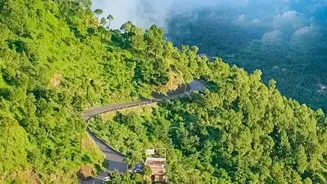
The single biggest risk of September travel in the Himalayas is road connectivity. Landslides are a serious and frequent concern. As of early September 2026, reports indicated nearly a hundred roads were blocked in Himachal Pradesh alone due to landslides and rain damage. Popular circuits in Kullu, Mandi, and Shimla have all faced disruptions. Even if your final destination is safe, the journey to get there might be hazardous or impossible. Always check the real-time status of national highways and local roads leading to your chosen hill station. Build buffer days into your itinerary to account for potential delays. For more remote areas, it is essential to hire experienced local drivers who are familiar with the terrain and alternative routes.
Choose Your Destination Wisely
Given the variable conditions, some destinations are safer bets than others in September. High-altitude deserts like Spiti Valley in Himachal Pradesh are often at their best, as the monsoon has passed but winter snows have not yet blocked the high passes. Hill stations in the southern Western Ghats, such as Ooty and Kodaikanal, are lush and beautiful, though you should still expect some rain. For popular spots in Uttarakhand and Himachal, travel experts often suggest waiting until the second half of September, from the 18th or 20th onwards, when conditions typically become much more stable and the risk of landslides decreases significantly. If your heart is set on a trek, this later window is particularly recommended for a safer and more enjoyable experience.
Pack for All Possibilities
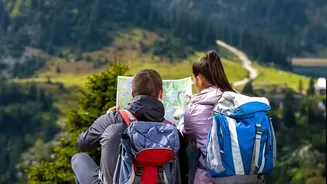
Packing for a September hill trip is all about layers. The weather can swing from warm and sunny during the day to chilly at night. Your packing list must include a waterproof outer shell or rain jacket for unexpected showers. Underneath, a warm fleece or a light down jacket will be crucial for the evenings. For your base, quick-drying t-shirts or tops are more practical than cotton. A sturdy pair of waterproof hiking shoes with good grip is non-negotiable, as trails can be muddy and slippery. Also consider packing a power bank, as rainfall can sometimes lead to power disruptions in hilly areas. A small first-aid kit with essentials for common ailments is always a prudent addition to your luggage.