


The Lithium Bottleneck
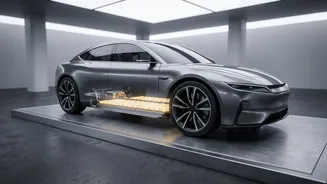
For years, the electric vehicle revolution has been powered by lithium-ion batteries. They are in everything from smartphones to electric cars. However, this dominance has a significant downside for India. The battery pack can account for 40% to 50% of
an EV's total cost, a huge factor keeping them out of reach for the average household. The core materials, particularly lithium and cobalt, are scarce and expensive. India relies heavily on imports for its lithium supply, creating a dependency on a volatile global supply chain often controlled by a few nations. This geopolitical and economic vulnerability has kept EV prices stubbornly high and has prompted a search for a more sustainable, homegrown alternative.
Enter Sodium-Ion: The Abundant Alternative
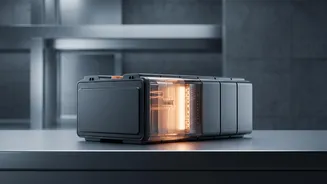
Sodium-ion batteries work on a principle similar to their lithium-ion counterparts, but they swap out lithium for sodium as the key ingredient. The primary advantage is simple: abundance. Sodium, the same element found in common salt, is over 500 times more plentiful in the earth's crust than lithium and is available globally, including in India. This drastically reduces the reliance on costly and geopolitically sensitive materials. Estimates suggest the raw material costs for sodium-ion cells can be 15% to 40% lower than for lithium-ion cells. Furthermore, these batteries can use cheaper aluminium for certain components instead of the more expensive copper required in lithium-ion cells, adding to the cost savings.
India's Domestic Manufacturing Push
Several Indian companies are racing to commercialize sodium-ion technology. Conglomerates like Reliance Industries, which acquired UK-based sodium-ion specialist Faradion, are making significant investments. Startups are also playing a crucial role. Pune-based KPIT Technologies has unveiled its own sodium-ion battery technology, claiming it could be up to 30% cheaper than equivalent lithium iron phosphate (LFP) batteries. Meanwhile, Indi Energy, a startup from IIT Roorkee, is developing batteries using hard carbon derived from agricultural waste, tackling both energy and pollution challenges simultaneously. The Indian government is also backing this push. Researchers have reportedly achieved Technology Readiness Level 7 (TRL 7), which means a system prototype has been successfully demonstrated in an operational environment, paving the way for commercial production within two to three years.
The Real Impact on Your Wallet
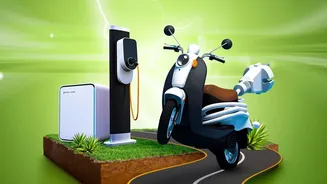
The transition to sodium-ion batteries could translate into significant savings for consumers. With the battery being the most expensive part of an EV, a 30-40% reduction in battery cost could lead to a substantial drop in the vehicle's showroom price. Some experts believe this could make EVs cheaper than their internal combustion engine (ICE) counterparts, even without government subsidies. While initial applications are likely to be seen in two-wheelers, three-wheelers, and stationary energy storage, the technology is rapidly advancing. Some projections suggest cheaper electric two-wheelers using this technology could be on Indian roads by 2026. The Indian sodium-ion battery market is forecast to grow significantly, from an estimated USD 450 million in 2025 to USD 2.9 billion by 2031, signalling strong commercial momentum.
Challenges and the Road Ahead
Despite the promise, there are hurdles to overcome. A key challenge for sodium-ion batteries has been their lower energy density compared to lithium-ion, meaning they are heavier and bulkier for the same amount of energy stored. This makes them more suitable for stationary storage or smaller vehicles where space and weight are less critical than cost. However, the technology is improving rapidly. Beyond cost, sodium-ion batteries offer other compelling benefits, such as better performance in extreme temperatures—a major plus for the Indian climate—and enhanced safety, with a lower risk of fire. As manufacturing scales up and the technology matures, these batteries are poised to play a central role in making India's clean energy and electric mobility ambitions a widespread reality.