




What Exactly is Citizen Science?
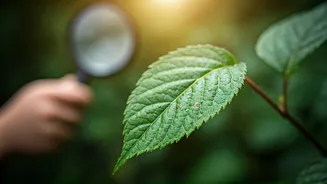
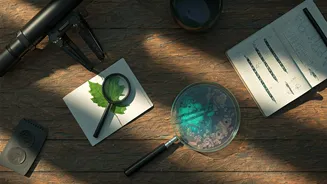
At its core, citizen science is simply public participation in scientific research. It's a partnership between professional scientists and curious individuals. While the concept isn't entirely new—think of amateur astronomers charting stars for centuries—its
modern form is exploding in scale and impact. Today, citizen science projects can involve anything from transcribing historical weather logs from your laptop, to identifying birds in your local park, or even classifying images of distant galaxies. It's a movement built on the idea that anyone, anywhere, can contribute to the vast and exciting world of discovery. It leverages the power of the crowd to collect and process data on a scale that would be impossible for a small team of researchers to manage alone.
The Technology Fuelling the Revolution
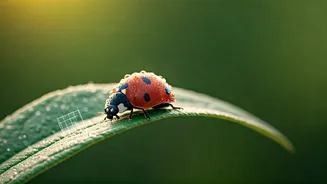
The primary catalyst for this boom is the device you're likely holding right now: the smartphone. With high-resolution cameras, GPS tracking, and constant internet connectivity, phones have become powerful mobile labs. This technological leap has given rise to a host of user-friendly apps and platforms. Portals like Zooniverse, iNaturalist, and the India-specific SeasonWatch act as digital bridges, connecting millions of volunteers with researchers who need their help. A simple photo of a flower or an insect, tagged with a location, instantly becomes a valuable data point. When multiplied by thousands or even millions of users, this data creates incredibly detailed maps of biodiversity, climate change effects, and public health trends, all in near real-time.
Real Discoveries by Real People
This isn't just busywork; citizen scientists are making genuine, headline-worthy contributions. In astronomy, volunteers in the 'Galaxy Zoo' project stumbled upon a new class of small, green galaxies they nicknamed 'Green Peas', leading to new research on galaxy formation. In medicine, players of the online puzzle game 'Foldit' successfully mapped the structure of a complex protein related to the AIDS virus—a problem that had stumped scientists for 15 years. Here in India, the impact is just as profound. 'SeasonWatch' participants across the country are tracking the flowering and fruiting of trees, providing crucial data that helps scientists understand the real-world effects of climate change. Similarly, data submitted by birdwatchers on platforms like 'eBird India' has created one of the world's most comprehensive biodiversity datasets, essential for conservation efforts and tracking migratory birds.
More Than Just Data Collection
The value of citizen science extends far beyond the data itself. It's a powerful tool for education and public engagement, demystifying the scientific process and fostering a sense of shared ownership over our planet's future. When a community comes together to monitor the quality of a local lake or track air pollution levels, they become empowered advocates for their own environment. This process builds scientific literacy and counters misinformation by giving people hands-on experience with evidence-based inquiry. It bridges the often-perceived gap between the scientific community and the general public, reminding us that curiosity is a universal human trait and that science is a collaborative endeavour, not an exclusive club.
How You Can Become a Citizen Scientist
Getting involved is easier than ever, and you don't need a PhD or a fancy lab. The only real prerequisite is curiosity. You can start by exploring platforms like Zooniverse, which hosts hundreds of projects across disciplines like astronomy, history, and biology—many of which require no prior knowledge. If you enjoy being outdoors, apps like iNaturalist allow you to identify and log plants and animals, contributing to biodiversity maps with every photo you snap. For those in India interested in contributing to local efforts, checking out SeasonWatch (for trees) or contributing your bird sightings to eBird are fantastic places to begin. Most projects come with simple tutorials and a supportive community ready to help you get started on your own journey of discovery.