







The Ancient Wisdom in Your Kitchen
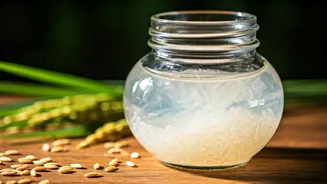
The use of rice water as a beauty treatment is rooted in history, particularly in Asia. Most famously, the Yao women of China, who hold a world record for their exceptionally long hair, traditionally wash their hair with fermented rice water. The logic
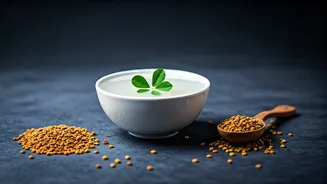
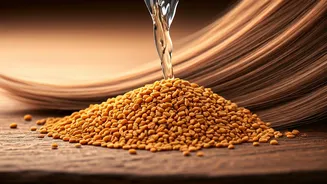
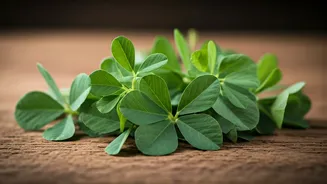
is that the starchy water left after soaking or boiling rice is rich in nutrients. Proponents believe it contains inositol, amino acids, vitamins B and E, and antioxidants that can penetrate and strengthen the hair shaft. Fenugreek, or methi, is a cornerstone of Ayurvedic tradition and a common ingredient in Indian households, valued for more than just its culinary uses. For hair, fenugreek seeds are celebrated for their high concentration of protein and iron, both essential for hair growth. They also contain compounds like flavonoids and saponins, which are believed to have anti-inflammatory and antifungal properties that can foster a healthy scalp.
The Science Behind the Shine
While social media is filled with dramatic before-and-afters, the scientific evidence is more modest but still promising. Some research indicates that rice water can reduce friction between strands and improve hair elasticity, making it easier to detangle and less prone to breakage. The compound inositol, found in rice water, can remain in the hair even after rinsing, offering continued protection and repair. For fenugreek, limited studies suggest it may help treat low to moderate hair loss. Some researchers believe its compounds may interact with DHT (dihydrotestosterone), a hormone linked to hair loss, potentially slowing its ability to attach to hair follicles. However, most experts agree that more robust, large-scale human studies are needed to definitively prove these hair growth claims. Currently, the combination is best viewed as a nutrient-rich rinse that improves the condition and quality of hair rather than a guaranteed cure for hair loss.
Your DIY Hair Elixir: A Step-by-Step Guide
Creating this popular hair treatment at home is simple. You will need about half a cup of uncooked rice, two tablespoons of fenugreek seeds, and two to three cups of water. Start by rinsing the rice to remove impurities. Then, place the clean rice and the fenugreek seeds in a jar and cover them with water. Let the mixture soak overnight, or for at least 8-12 hours. The next day, strain the liquid into a clean container, such as a spray bottle or jar. For potentially enhanced benefits, you can allow the water to sit at room temperature for another 24 hours to ferment. Fermentation can lower the pH of the water, bringing it closer to hair's natural pH, and may increase its nutrient concentration. Once ready, you can store your hair rinse in the refrigerator for up to a week.
How to Use It for Best Results
For best results, consistency is key. Plan to use the rinse one to two times per week. After shampooing your hair, apply the rice and fenugreek water generously, making sure to focus on the scalp and saturate your strands from root to tip. Gently massage your scalp for a few minutes to boost circulation. Let the treatment sit for 20 to 30 minutes. Longer is not necessarily better; most of the benefits are absorbed within this timeframe. Afterwards, rinse the treatment out thoroughly with lukewarm water and follow up with your regular conditioner. This final conditioning step is important as it can help counteract any potential stiffness or dryness from the protein in the rinse.
Potential Downsides and What to Watch For
While generally safe, this natural remedy isn't for everyone. Rice water contains a fair amount of protein. For individuals with low-porosity hair, which has tightly packed cuticles, a protein-heavy treatment can lead to build-up, making hair feel stiff, dry, and brittle. It is always recommended to perform a patch test before a full application to rule out any scalp irritation. Overuse can also be an issue; applying the rinse too frequently can dry out the hair and scalp. And, on a practical note, fermented rice water can have a strong, sour smell, which some find unpleasant. Fenugreek has its own distinct, maple syrup-like scent and, in rare cases, can cause allergic reactions, particularly in those with allergies to legumes like peanuts.