
The Shift From 'More' to 'Mood'
For years, festive decorating in India often followed a 'more is more' philosophy. Every surface was a candidate for decoration, from floors covered in intricate rangolis to walls and balconies laden with garlands, streamers, and blinking lights. While
joyful, this approach can also lead to visual clutter and a significant amount of post-festival waste. A new trend, however, is emerging, driven by modern aesthetics, smaller urban homes, and a growing desire for sustainability. Homeowners are now looking to create a festive 'mood' rather than just filling a space with objects. The goal is no longer to decorate every corner but to make the home feel warm, personal, and celebratory in a more intentional way. This has paved the way for light to become the primary decorative tool.
Why Light is the New Centerpiece
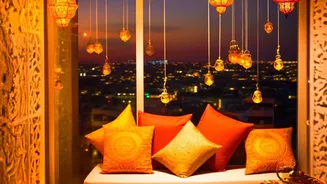
Lighting has always been central to Indian festivals, especially Diwali, the festival of lights. But the modern approach goes beyond rows of traditional diyas. It’s about using light to sculpt a space and create an ambiance. A bright, overhead light can make even the most beautiful room feel flat, while smaller, warmer pools of light create intimacy, depth, and a sense of occasion. This focus on layered lighting—combining ambient, accent, and decorative lights—allows you to highlight architectural features, create focal points, and evoke a feeling of warmth and welcome without adding physical clutter. A simple string of fairy lights draped over a mirror, a lantern on a staircase, or an LED candle inside a glass jar can transform a room more effectively than a dozen other accessories.
How to Master Festive Lighting
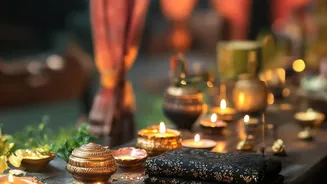
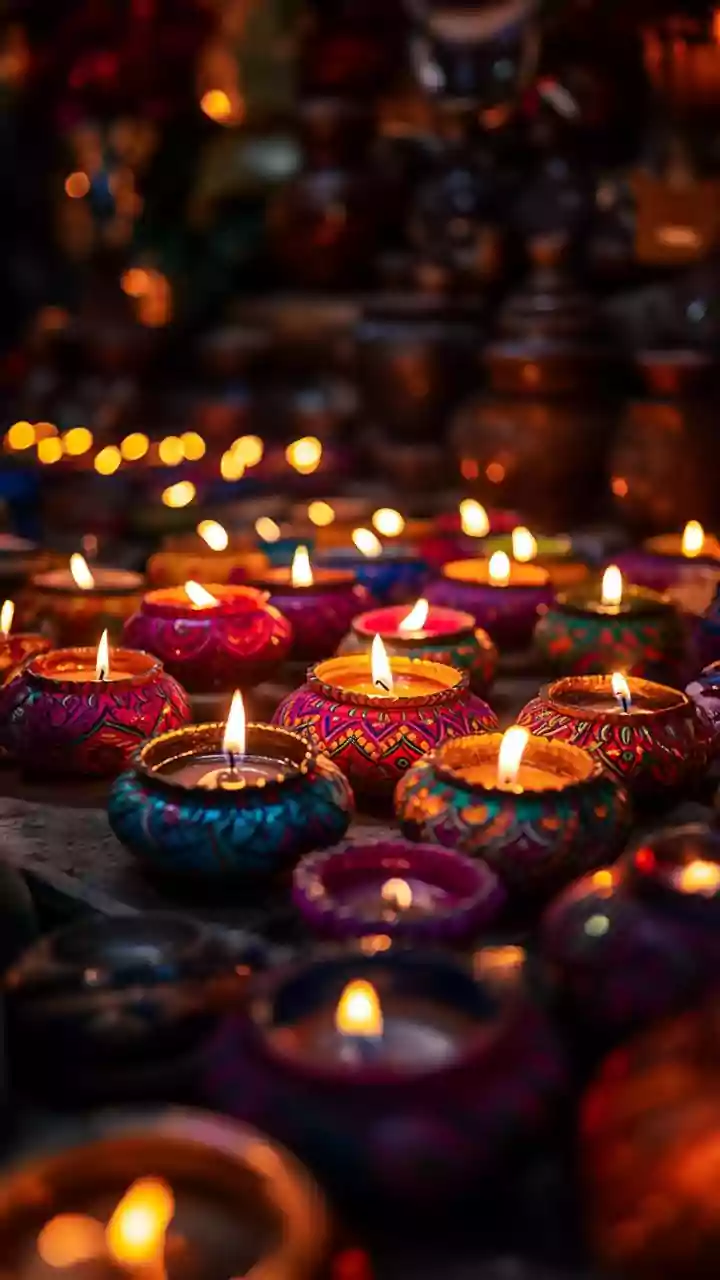
Embracing this trend is both easy and impactful. Start by turning off the main overhead light and thinking in layers. Use a mix of different light sources. Warm-toned fairy lights or festoon lights are incredibly versatile; you can wrap them around plants, drape them on a balcony railing, create a curtain of light against a wall, or simply bunch them inside a vase for an instant tabletop feature. Next, add accent lighting. Place lanterns of various shapes and sizes on staircases or in corners to cast beautiful shadows. Use smart, colour-changing LED bulbs to wash a wall in a festive hue. Finally, add the traditional touch with the soft, flickering glow of candles or diyas, clustering them on a console table or windowsill for maximum effect. This combination creates a rich, dynamic, and inviting atmosphere.
Balancing Tradition and Modernity
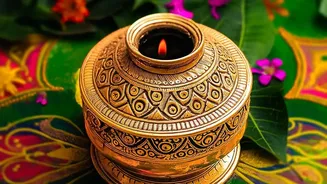
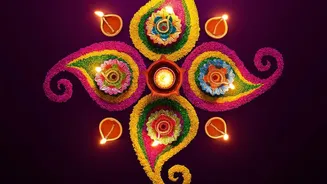
Focusing on light doesn't mean abandoning beloved traditions. In fact, it can enhance them. A meticulously crafted rangoli at the entrance looks even more stunning when illuminated by a soft spotlight or surrounded by a gentle boundary of LED diyas. A traditional brass lamp or a single, beautiful toran at the doorway can be the star of the show when paired with subtle, cascading fairy lights, rather than competing with a dozen other elements. The idea is to choose a few meaningful decorative pieces and let them shine, using light to draw the eye and create a sense of importance. This curated approach feels more personal and less like a generic festive display.
The Sustainable Glow-Up
This shift towards light-centric decor also aligns with a growing consciousness around sustainability. LED lights consume up to 80-90% less energy than traditional incandescent bulbs and have a much longer lifespan, reducing both electricity bills and waste. Many beautiful options, like solar-powered string lights, are now available, offering an even more eco-friendly way to illuminate outdoor spaces like gardens and balconies. By investing in good quality, reusable lighting, you reduce the reliance on single-use plastic decorations that often end up in landfills. This makes for a celebration that is not only beautiful and atmospheric but also kinder to the planet.