


The Pressure of the Perfect Plate
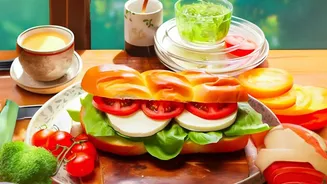
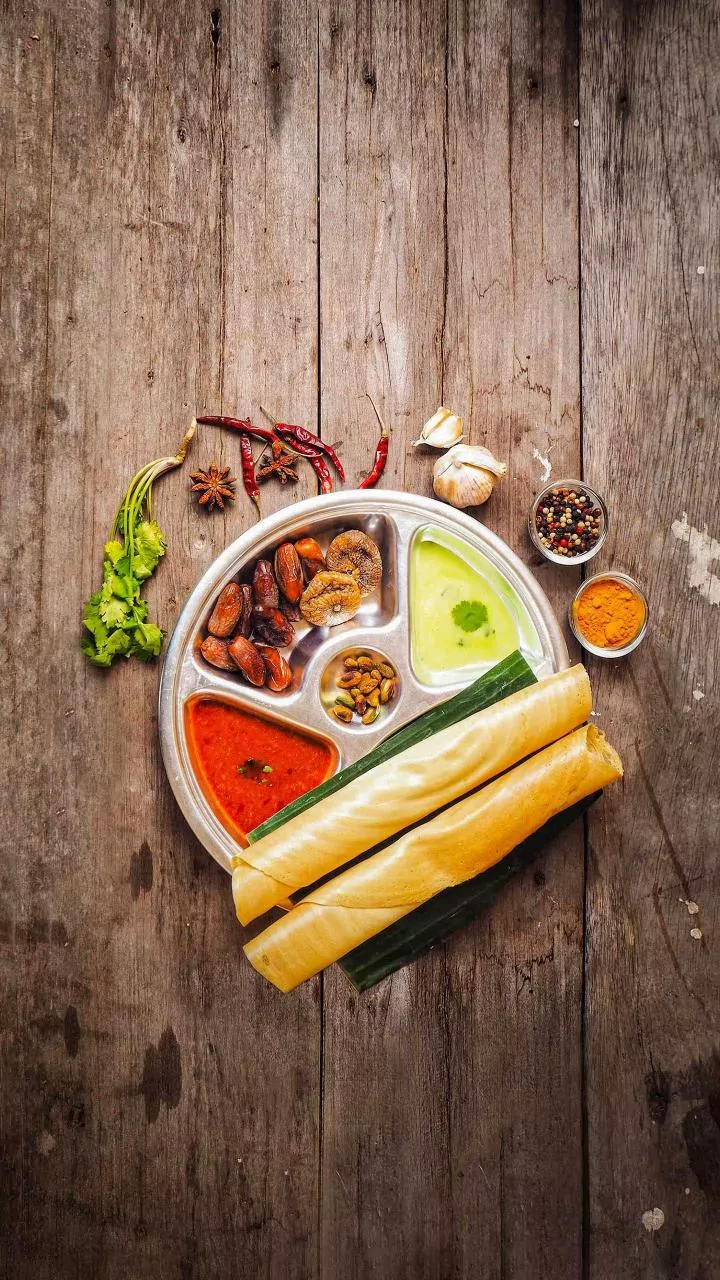
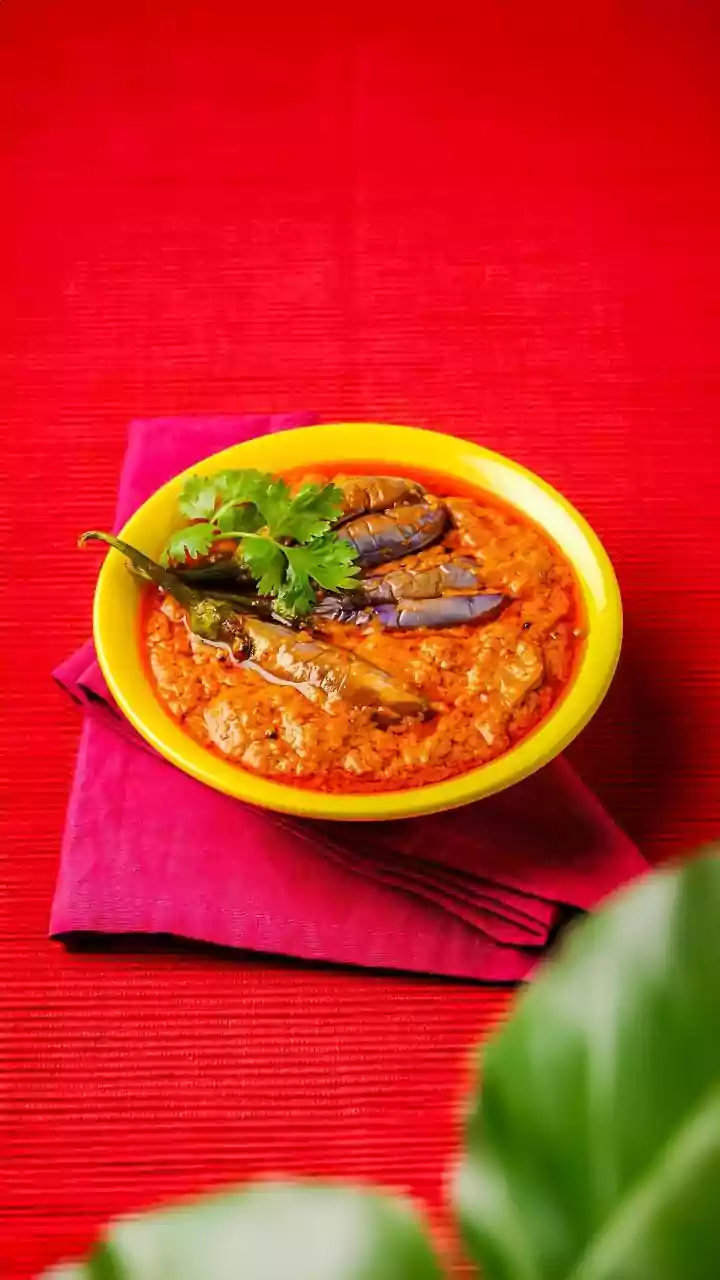
Scroll through social media, and you'll find a visual feast: impossibly glossy cakes, symmetrically arranged salads, and curries with perfectly placed garnishes. This aesthetic, once the domain of food magazines, became the standard for online creators.
The result was a culture of “food porn” that, while beautiful, set an unrealistic benchmark for the average home cook. The pressure to present flawless, elaborate dishes can create feelings of inadequacy, discouraging people from simply enjoying the process of cooking. When every meal online looks like it was prepared by a professional stylist, it’s easy for your own weeknight dinner to feel like a failure, even when it’s delicious and nourishing. This perfectionism often prioritizes appearance over nutrition or practicality, creating a gap between what we see and what we actually eat.
A Hunger for Authenticity
Thankfully, a shift is underway. Audiences are growing tired of hyper-curated fantasies and are instead craving authenticity. This movement, sometimes called “lo-fi food,” embraces the real-life context of a meal. Think crumbs on the counter, a half-eaten plate, and natural lighting. This trend is fueled by a desire for genuine connection; viewers want to feel like they're sitting at the table with you, not admiring a sterile photo shoot. The data supports this cultural correction: posts tagged with #NoFilter often see higher engagement, and searches for “real home cooking” have surged. Creators are responding by sharing behind-the-scenes clips, mini-vlogs of their food days, and step-by-step reels that show the process, mistakes and all. This unfiltered approach builds trust and credibility in a way that staged perfection never could.
The Story Beyond the Recipe
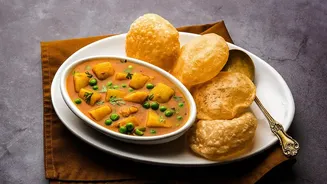
A recipe provides instructions, but the story of a dish is so much more. It’s about the ‘why’ and ‘how’ behind the meal. Why did you choose this dish today? Is it a quick 20-minute solution after a long day at work? Is it a comforting meal you remember from your childhood? How did you adapt it based on the vegetables wilting in your fridge? This context is what makes food relatable. Showing a dish’s role in daily life—whether it’s a packed lunchbox, a simple one-pot meal, or a clever use of leftovers—provides value far beyond a list of ingredients. It teaches intuition, resourcefulness, and the reality of home economics. This approach is particularly powerful in the Indian context, where daily meals are often about practicality—simple dals, sabzis, and rotis—not the elaborate biryanis and kormas reserved for special occasions.
How Creators Are Embracing Real Life
Many Indian food bloggers and creators are already leading this charge. They are finding success with content that reflects the rhythm of a real Indian kitchen. Vlogs about daily cooking routines, meal planning, and even videos showing a Patel Brothers haul are becoming increasingly popular because they resonate with the everyday experiences of their audience. Creators like Archana Mundhe of Ministry of Curry focus on quick and easy Instant Pot recipes, acknowledging the time constraints of modern life. Others share home-style vegetarian dishes or toddler-friendly meals, grounding their content in the practical needs of their followers. These creators understand that a dish isn’t just an isolated event; it’s part of a life, complete with its routines, challenges, and joys. By showcasing this, they are not just sharing recipes, but building a community around the shared reality of cooking.