


What Exactly Is a Dark-Sky Holiday?
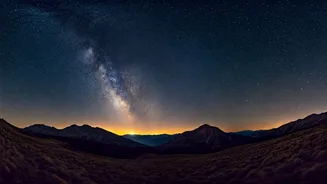
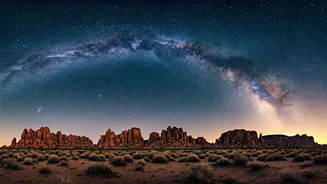
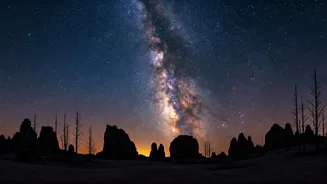
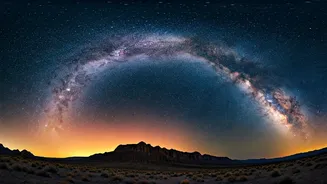
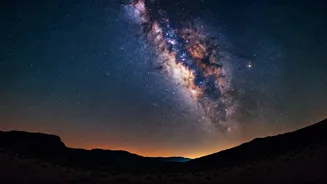
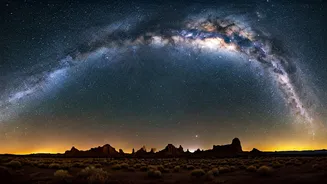
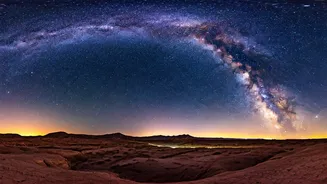
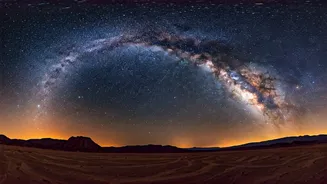
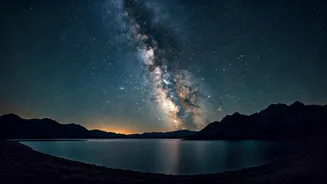
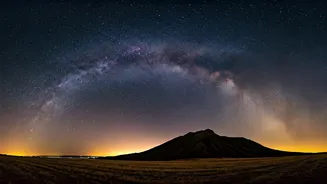
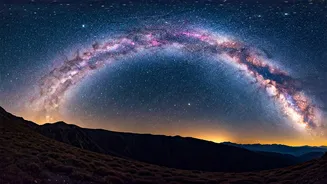
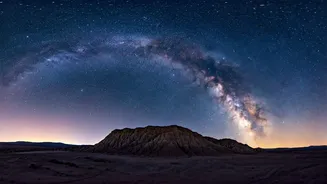
At its heart, a dark-sky holiday—or astrotourism—is travel planned around the simple, profound experience of seeing a truly dark night sky. It means escaping the relentless glow of urban light pollution to visit locations where the Milky Way, distant
galaxies, and thousands of stars are visible to the naked eye. These destinations are often officially recognised by bodies like the International Dark-Sky Association (IDA), which certifies parks, reserves, and communities that have committed to preserving their nocturnal environment. But it's more than just a location; it's a mindset. It’s about trading neon for nebulae and finding wonder in the vast, quiet cosmos.
The Rise of Celestial Escapism
So why is this trend gaining so much traction now? The answer lies in a collective craving for disconnection and authenticity. After years of being hyper-connected, many of us are experiencing digital burnout. A dark-sky trip offers a mandatory digital detox; it’s hard to scroll through your phone when you’re mesmerised by a meteor shower. This type of travel also taps into the growing wellness movement, which increasingly equates wellbeing with time spent in nature. The pandemic further accelerated this shift, creating a pent-up demand for wide-open spaces and meaningful, crowd-free experiences. Seeing the universe in its full glory is a powerful reminder of perspective, a humbling and deeply restorative experience that a typical resort holiday can rarely offer.
More Than Just Looking Up
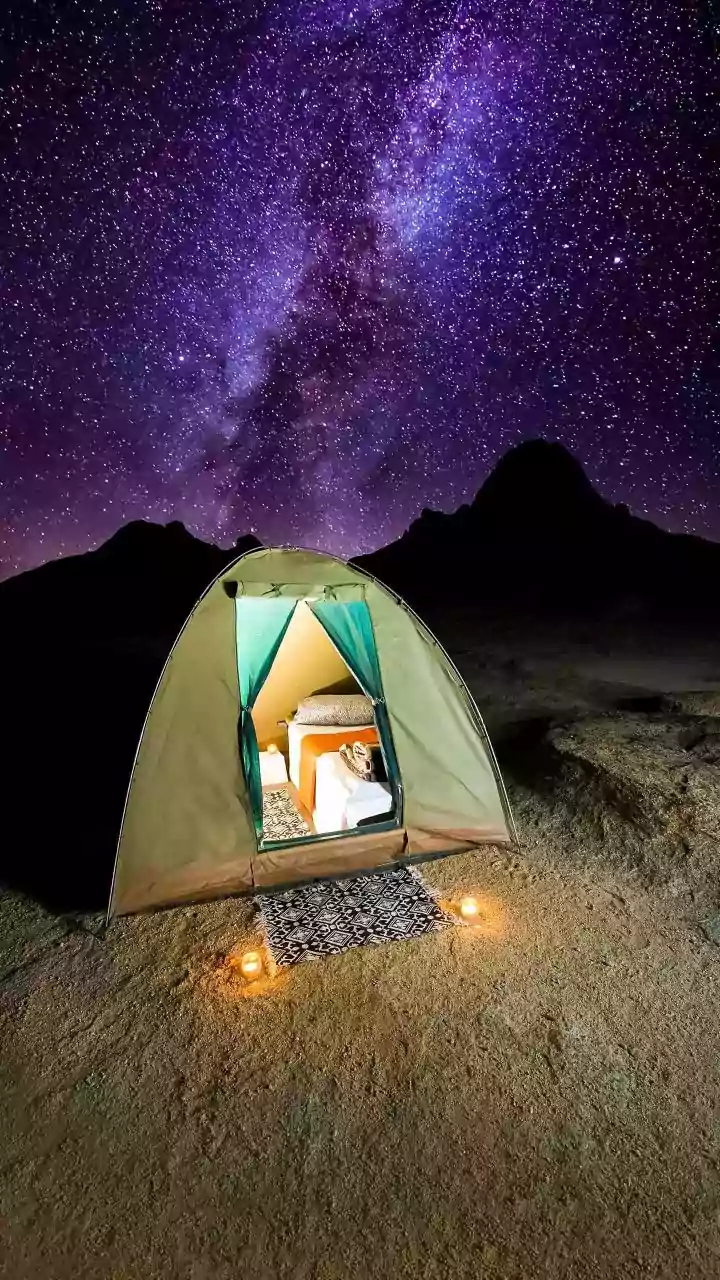
While the main event is undeniably the star-studded canopy, dark-sky destinations offer a rich tapestry of activities. The experience is not just for professional astronomers. Many dark-sky parks and lodges host guided stargazing sessions with powerful telescopes and knowledgeable guides who can demystify constellations and share ancient celestial folklore. Astrophotography workshops are incredibly popular, teaching visitors how to capture stunning images of the night sky. During the day, these remote, pristine locations are perfect for hiking, wildlife spotting, and exploring unique geological formations. The night brings its own adventures too, from nocturnal wildlife tours to campfire storytelling under the stars.
India’s Prime Stargazing Spots
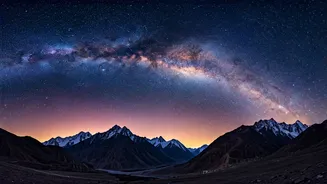
You don't need to travel across the world to experience this cosmic wonder. India is home to some spectacular dark-sky locations. Hanle in Ladakh was recently designated as India’s first Dark Sky Reserve, boasting some of the clearest, darkest skies on the planet thanks to its high altitude and dry climate. The Spiti Valley in Himachal Pradesh is another remote haven for stargazers, where the Milky Way feels close enough to touch. Even closer to urban centres, you can find pockets of darkness. Areas around the Rann of Kutch in Gujarat offer surreal landscapes under a star-filled sky. Several tiger reserves and national parks, by virtue of their remoteness, also provide excellent opportunities for stargazing away from the city haze.
Planning Your Celestial Getaway
Ready to plan your trip? A little preparation goes a long way. The most crucial factor is timing: plan your visit around the new moon phase, when the sky is at its darkest. A full moon, while beautiful, acts like a giant lightbulb that washes out fainter stars. Check the weather forecast for clear skies. Pack layers, as even in warm climates, nights can get chilly. While you don't need fancy equipment, a good pair of binoculars can dramatically enhance your view of star clusters and the moon's craters. Finally, download a stargazing app like SkyView or Star Walk before you go. It can help you identify constellations, planets, and satellites in real time, turning the night sky into a familiar, friendly map.