






The Allure of 'Zero Cost'
No-Cost or Zero Cost EMI has become a hugely popular payment option across India, making high-value items like smartphones, appliances, and laptops feel more affordable. The premise is simple and seductive: you get to split a large payment into manageable
monthly instalments without paying any extra interest. The total amount you pay over several months is supposed to be exactly the same as the product's sticker price. This has changed how many people approach big purchases, allowing them to buy what they want immediately without draining their savings. For retailers and banks, it's a powerful tool to drive sales and make products more accessible.
The Cashback and Discount Catch
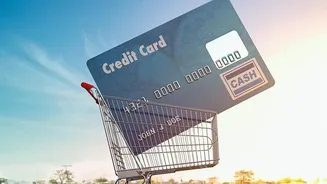
The core issue arises from how these 'zero cost' deals are structured. Since the Reserve Bank of India (RBI) does not permit actual zero-interest loans, the interest component is typically handled in one of two ways. Often, the retailer or brand offers an upfront discount on the product that is equal to the interest the bank will charge. You, the customer, never see this discount; it's used to cancel out the interest cost. The problem, however, is that you often forfeit other valuable offers in the process. Many products come with instant cashback or a flat discount for customers who pay the full amount at once. When you opt for a No-Cost EMI, you almost always lose the right to this additional discount or cashback, meaning you effectively pay more than a cash or full-card-payment customer.
How the Math Really Works
Let's break it down. Imagine a smartphone priced at ₹50,000. A special offer gives a ₹4,000 instant cashback for full payment, making the effective price ₹46,000. If you choose a six-month 'no cost EMI' instead, you will pay ₹8,333 per month, totalling ₹50,000. You don't get the ₹4,000 cashback. In this scenario, the 'cost' of your 'free' EMI is the ₹4,000 cashback you gave up. On top of this, other charges can apply. Banks often charge a non-refundable processing fee for setting up the EMI, which can range from ₹199 to over ₹700. Furthermore, you are required to pay 18% GST on the interest component of the loan, even if that interest was technically covered by the upfront discount. While these individual amounts might seem small, they add up, making the final price higher than the advertised tag.
Your Smart Shopper Checklist
The 'no cost' label can be misleading, but EMIs are still a useful tool if you are careful. Before you click 'buy', run through this checklist: 1. Compare the Final Price: Always calculate the total cost of the EMI plan (monthly payments multiplied by the tenure, plus any processing fees and GST) and compare it against the price you would pay with a one-time payment, including any instant discounts or cashbacks. 2. Read the Fine Print: Look for terms and conditions related to the EMI offer. Some bank terms explicitly state that reward points and cashback offers are not applicable on EMI transactions. 3. Check for Processing Fees: This is a common add-on cost that is not part of the 'zero interest' promise. It will be listed on the payment page before you confirm. 4. Understand Credit Limit Impact: When you opt for an EMI, the entire purchase amount is blocked on your credit card limit, not just the monthly instalment amount. This reduces your available credit for other purchases or emergencies until it's paid down.