


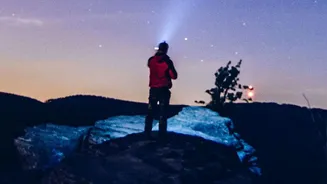

What is Dark-Sky Tourism?
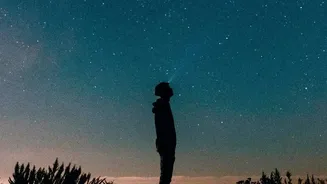
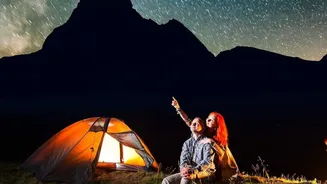
Known as 'astrotourism', this travel trend revolves around visiting places with minimal artificial light pollution to experience the night sky in its full glory. For most urban dwellers, the view is limited to the moon and a few bright planets or constellations.
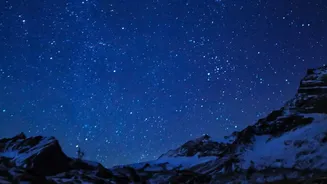
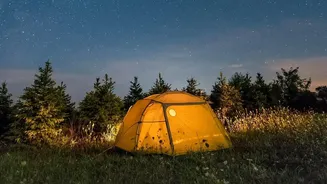
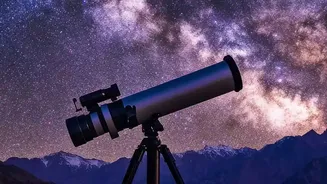
Dark-sky tourism offers a chance to see the Milky Way, meteor showers, and thousands of stars that are otherwise invisible. It is more than just astronomy; it is an immersive experience that combines nature, science, and a profound sense of wonder. Travellers are actively seeking out these destinations not just for the view, but for the tranquillity and a chance to disconnect from a hyper-connected world.
The Appeal for Young India
This trend is particularly resonant with millennials and Gen Z. After years of being confined indoors and online, younger travellers are expressing a strong preference for unique, experience-driven, and sustainable travel. Astrotourism fits this desire perfectly. It offers a digital detox, an opportunity for stunning astrophotography for social media, and a connection to something vast and real. The growing public excitement around India's space missions, like Chandrayaan, has also fuelled a mainstream curiosity in the cosmos. For many, it's a reaction to the constant stimulation of city life and a search for quiet, meaningful experiences.
India’s Celestial Hotspots
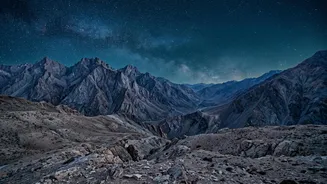
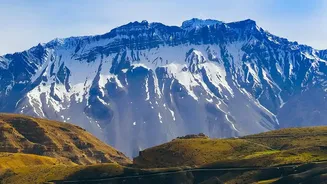
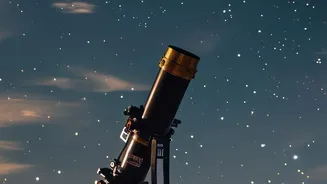
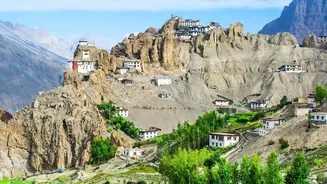
India’s diverse geography offers several world-class locations for stargazing. The undisputed champion is Hanle in Ladakh, home to India's first official Dark Sky Reserve. Situated at an altitude of 4,500 metres, this cold desert region boasts over 250 clear nights a year, offering exceptionally dark and clear skies. Following its designation in 2022, tourist numbers in Hanle surged dramatically. Other Himalayan destinations like Spiti Valley in Himachal Pradesh are also favourites, with villages like Kaza and Kibber providing breathtaking views of the Milky Way. In Uttarakhand, the government is developing Benital in the Chamoli district as a dedicated 'Astro Village', complete with telescopes and trained local guides.
Beyond the Himalayas
While the mountains offer pristine conditions, the trend isn't limited to high altitudes. The vast, flat expanse of the Rann of Kutch in Gujarat offers a surreal 360-degree view of the celestial dome, especially on moonless nights when starlight reflects off the white salt desert. In the south, the coffee estates of Coorg in Karnataka provide darker skies away from city centres. Even the remote Neil Island in the Andamans offers a serene coastal backdrop for watching the cosmos. This geographic spread is making astrotourism more accessible to people across the country.
A Sustainable Future for Remote Communities
A key aspect of this growing trend is its focus on sustainability and community involvement. In places like Hanle, local villagers have been trained as 'Astronomy Ambassadors' and provided with telescopes to guide tourists. This model ensures that tourism revenue directly benefits the local economy and provides a livelihood that is in harmony with the environment. By creating an economic incentive to protect the natural darkness, these initiatives are helping preserve a diminishing global resource while empowering remote communities.