





Declutter and Plan Before You Pack
The most successful packing jobs begin before a single bag touches the car. Start by completely emptying your trunk of non-essential items like old shopping bags, sports equipment, or that stray umbrella. Starting with a clean slate makes it easier to visualize
the available space. Next, lay out everything you intend to bring. This allows you to see the full volume of your luggage and gear, helping you identify what can be consolidated or left behind. A four-day trip requires careful planning, not just wishful thinking. A common mistake is overpacking, so challenge yourself to pack only what is necessary and consider sharing items like toiletries to save space.
Choose Soft Luggage Over Hard Cases
While hard-shell suitcases are great for protecting fragile items during flights, they are rigid and unforgiving in a tight trunk space. For a road trip, soft-sided bags like duffels or backpacks are your best friends. Their flexibility allows them to be squeezed into awkward corners and molded around other items, maximizing every available inch. Hard cases create dead space around their edges, whereas soft bags can conform to the shape of the trunk. This single swap can dramatically increase how much you can fit, turning frustrating gaps into usable real estate.
Build a Solid Foundation
The fundamental rule of stacking is to place the heaviest and largest items at the bottom and toward the center of the car, against the back seats. This includes things like large suitcases, coolers, or any storage bins. Creating this solid base serves two key purposes. First, it establishes a low center of gravity, which helps keep the vehicle stable and safe to drive. Second, it prevents your heavier gear from crushing more delicate items packed on top. An even weight distribution is crucial for handling, so avoid piling all the heavy items on one side.
Master the Art of 'Tetris'
With your foundation in place, it’s time to think like you’re playing a game of Tetris. The goal is to fill all the negative space. Look at the nooks and crannies around your larger bags and the wheel wells. These are perfect spots for smaller, softer items. Use shoes, rolled-up jackets, towels, or small bags to fill these gaps. This not only maximizes space but also secures the larger items, preventing them from shifting during transit. Work your way up in layers, placing progressively lighter items on top. This method keeps everything snug and organized, turning a potential mess into a stable structure.
Create Zones for Easy Access
Remember the golden rule of packing a car: last in, first out. The items you’ll need first or most frequently should be packed last, so they are the easiest to access. Think about creating zones within your car. The trunk should be reserved for luggage and gear you won't need until you reach your destination. A separate, easily accessible bag should be kept in the cabin for road trip essentials like snacks, water bottles, phone chargers, and a first-aid kit. This prevents you from having to pull over and unpack half the trunk just to find a power bar.
Utilize In-Cabin and Hidden Spaces
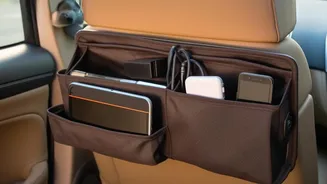
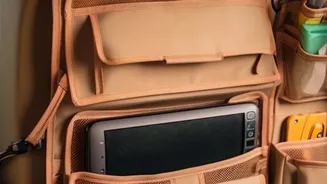
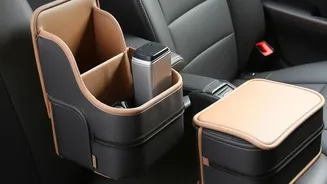
Don’t forget about the valuable storage space inside the passenger area. The space under seats is perfect for stashing shoes, books, or an emergency kit. Seat-back organizers are fantastic for holding tablets, snacks, and other small items to keep the kids entertained. Even the small compartment around your spare tire can often hold items like jumper cables or bungee cords. A well-packed car uses every available space, not just the trunk. This approach keeps the main cabin free of clutter while ensuring everything you might need on the journey is within arm's reach.
Prioritize Safety and Visibility
No matter how much you need to pack, never compromise on safety. The most critical rule is to ensure your luggage does not obstruct the driver's rear view. Avoid stacking items so high that you can't see out the back window. In a sudden stop, loose items can become dangerous projectiles. For added security, you can use bungee cords or a cargo net to hold everything in place, especially in an SUV or hatchback where the cargo area is open to the cabin. A safely packed car is just as important as a fully packed one.