
The Perfect Storm: When Rain Meets High Tide
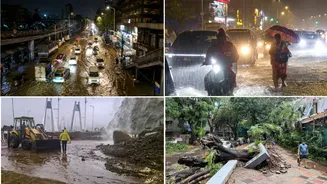
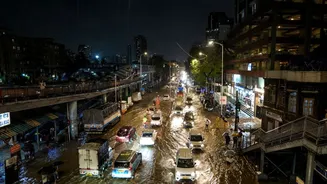
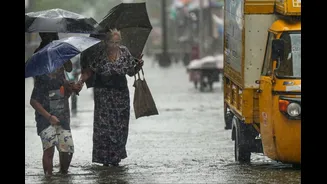
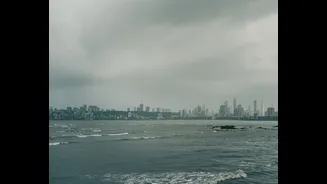
Heavy rainfall on its own is enough to strain Mumbai's infrastructure, but the situation becomes critical when it coincides with a high tide. The city's drainage system, much of which is decades old, relies on outlets that empty stormwater into the Arabian
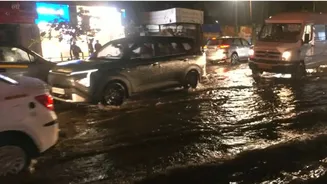
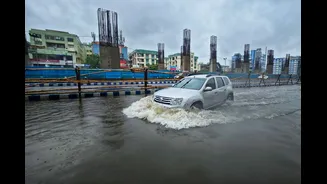
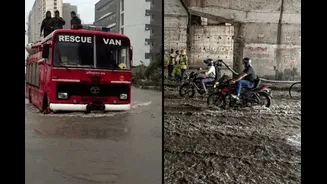
Sea. During a high tide, the sea level is higher than these outfalls. This effectively blocks the rainwater from draining, causing it to back up and flood the streets with alarming speed. This combination is what turns a heavy downpour into a city-wide standstill, submerging low-lying areas like Hindmata, Andheri, and Sion, and bringing local trains and road traffic to a halt.
Know Your Tides: A Commuter’s Almanac
Tracking high tides is as crucial as checking the rain forecast. The Brihanmumbai Municipal Corporation (BMC) releases a high tide schedule before the monsoon each year, highlighting days when tides are expected to be over 4.5 metres. For July 2026, a period of major tidal activity is forecast between July 13 and July 18, with the season's highest tide of 4.89 metres expected on July 16. Mumbaikars are advised to be especially cautious on these days. You can find these schedules on the BMC's official website and through its social media channels. Being aware of these specific dates and times allows you to plan ahead, whether that means leaving work early or arranging to work from home.
Decoding the Rain: More Than Just a Forecast
The India Meteorological Department (IMD) uses a colour-coded alert system to warn citizens about the intensity of expected rainfall. A 'Green' alert means no warning, 'Yellow' means be aware, 'Orange' means be prepared for significant disruption, and 'Red' indicates a warning for extremely heavy rainfall that could disrupt travel and power. For the first week of July 2026, an orange alert has been issued for Mumbai, signalling heavy to very heavy rainfall. Paying attention to these alerts can help you make informed decisions about your commute, rather than being caught off-guard.
Your Monsoon Commute Strategy
A proactive approach can significantly reduce monsoon travel woes. On days with a combination of heavy rain alerts and high tides, consider adjusting your schedule. If possible, work from home. If you must travel, leave well before the high tide is expected to peak. Pack a 'monsoon kit' for the office, including a change of clothes and waterproof footwear. Keep your phone fully charged and carry a power bank. Inform your family of your route and expected travel time. Using real-time traffic and train status apps can help you navigate around the worst-affected areas.
What to Do If You Get Stuck
Even with the best planning, you might find yourself stranded. If you are in a vehicle, do not attempt to drive through deep, flowing water. If your car stalls, it is often safer to abandon it and move to higher ground than to remain inside a vehicle that could be submerged. Avoid wading through floodwaters at all costs; it can conceal open manholes, debris, and pose health risks from waterborne diseases. The BMC and Mumbai Police issue advisories and have emergency helplines for assistance during such events. Always prioritize your personal safety over reaching your destination.