





What is the New Visa Proposal?
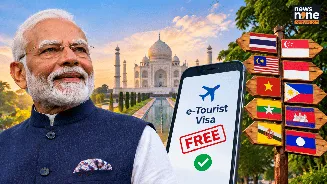
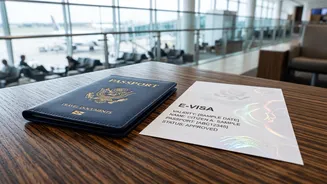
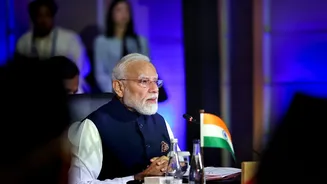
At the 23rd India-ASEAN Summit in Manila on November 17, 2026, Indian Prime Minister Narendra Modi proposed a plan to offer free electronic tourist visas to citizens of all 11 ASEAN member nations. This initiative is designed to simplify entry procedures,
encourage tourism, and bolster people-to-people connections between India and the region. The ASEAN bloc includes Brunei, Cambodia, Indonesia, Laos, Malaysia, Myanmar, the Philippines, Singapore, Thailand, Timor-Leste, and Vietnam. While the idea has been announced, an official start date and specific eligibility details are yet to be released by the Indian government. The move is seen as a key part of the broader India-ASEAN Tourism Cooperation framework.
More Than Just a Fee Waiver
It is important to understand that the proposal is for a fee-waived e-visa, not completely visa-free travel. Travellers would still need to complete an online application and receive official approval before their trip, but the associated government fee would be eliminated. This isn't an entirely new concept for India's visa policy. Currently, citizens from several countries, including five ASEAN members—Indonesia, Myanmar, Malaysia, the Philippines, and Thailand—are already eligible for a free 30-day tourist e-visa. The new proposal would extend this benefit to the remaining six ASEAN nations, creating a uniform and more accessible system for the entire bloc. This is part of a wider effort by the Indian government to make its visa regime more user-friendly, which recently included reducing the number of application fields by as much as 70%.
A Key Part of the 'Act East' Policy
This visa initiative is a strategic element of India's 'Act East' policy, which focuses on strengthening economic and diplomatic relationships with Southeast Asian nations. The proposal was one of several initiatives announced at the summit, alongside plans for long-term maritime cooperation, joint projects in critical minerals, and technical exchanges in nuclear energy. By making travel more accessible, India aims to transform shared cultural and historical ties into tangible economic and social opportunities. Bilateral trade between India and ASEAN reached over $128 billion in the 2025-26 fiscal year, and fostering tourism is seen as a vital component in expanding this economic partnership.
Economic and Cultural Benefits
The potential economic upside for India is substantial. A simplified and free visa process is expected to significantly increase tourist arrivals from the ASEAN region, which accounted for over 800,000 visitors in 2025. More tourists translate directly into greater spending in the hospitality, transport, and retail sectors, creating jobs and supporting local economies across the country. The move also enhances India's competitiveness as a tourist destination in a region where countries frequently use visa waivers to attract visitors. Beyond the economic impact, the initiative aims to foster deeper cultural exchange and mutual understanding, with proposals also including expanded scholarships for ASEAN students at Nalanda University and youth exchange programs.
What Happens Next?
While the proposal has been met with enthusiasm, implementation is the next crucial step. The Indian government will need to formalise the policy, establish the technical framework for the unified e-visa system, and announce the official launch date. The initiative is timed ahead of a significant milestone, as 2027 will mark 35 years of India-ASEAN relations and five years of their Comprehensive Strategic Partnership. This visa simplification, coupled with a recent overhaul of India's visa categories—such as renaming the 'Tourist Visa' to a more encompassing 'Visitor Visa'—indicates a clear direction towards making India a more accessible and welcoming destination for international travellers. Travellers and tour operators will be watching closely for the final regulations that turn this promising proposal into a practical reality.