



The Rise of the 'Coolcation'
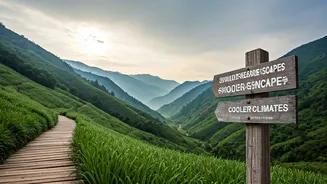
Forget chasing the sun; savvy travellers are now chasing the shade. The term “coolcation,” a portmanteau of “cool” and “vacation,” has entered the travel lexicon to describe a deliberate shift towards destinations with more temperate summer climates.
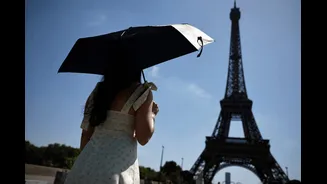
[9, 26] This isn’t just about avoiding sweat-soaked sightseeing; it’s a fundamental change in travel priorities. As record heatwaves have shut down major tourist sites like the Acropolis and scorched Mediterranean beaches, travellers are looking for escapes that offer genuine refreshment, not exhaustion. [7, 17] The trend is backed by data, with travel companies reporting significant growth in searches and bookings for cooler regions. Trip.com Group, for instance, noted a 74% year-on-year increase in searches for such destinations. [8, 29] It's a clear signal that the joy of being active outdoors without battling oppressive heat is a new kind of luxury. [2]
The New Aspirational Destinations
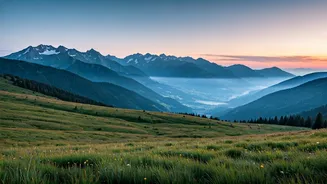
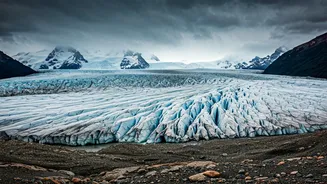
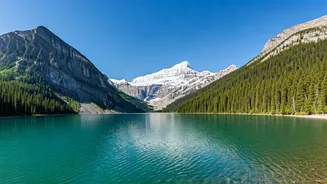
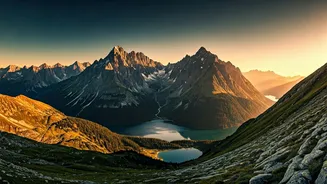
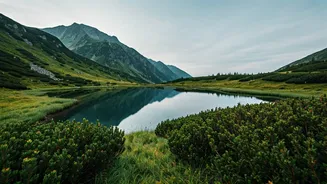
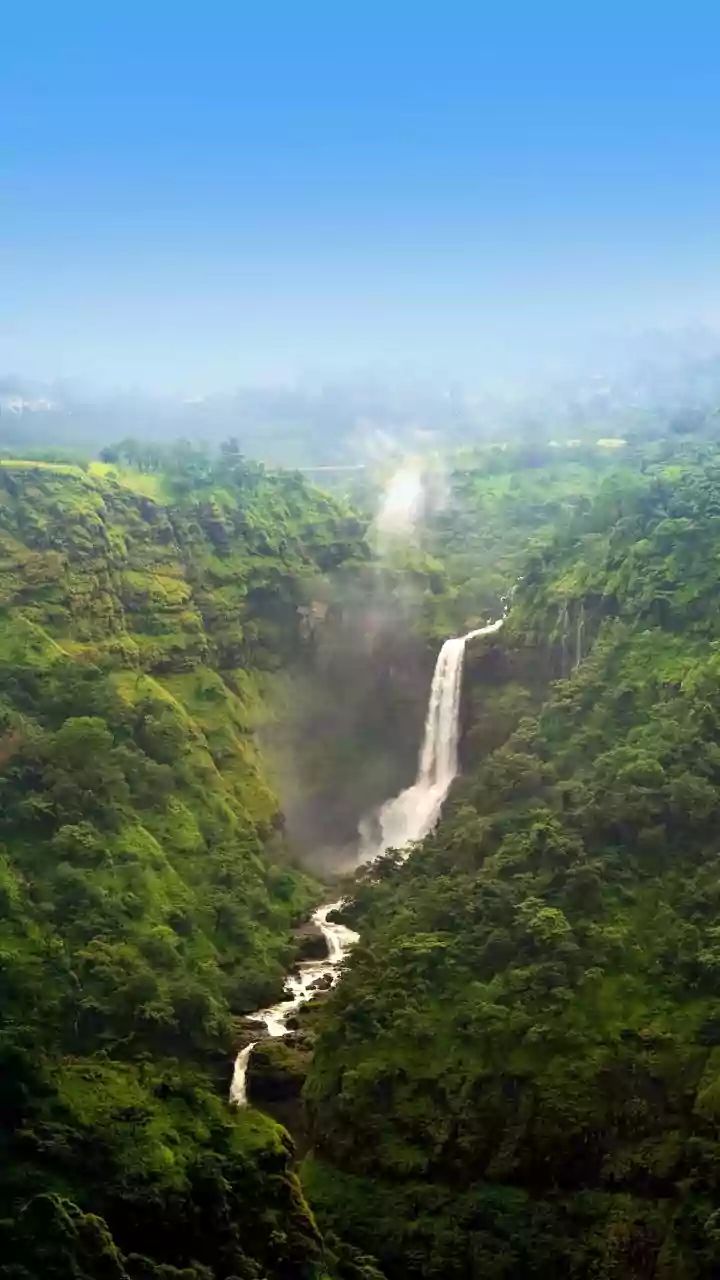
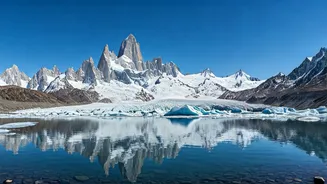
So, where are these climate-conscious travellers heading? Instead of Italy and Greece, think Iceland, Norway, and Finland. [1, 24] The dramatic landscapes of the Norwegian fjords, the volcanic fields of Iceland, and the thousands of lakes in Finland are becoming the new backdrops for coveted holiday photos. [24] These Nordic countries are seeing a boom in interest, with some luxury travel agencies reporting booking increases of up to 89% for destinations like Norway. [1, 10] It’s not just Europe; other sought-after coolcations include the Canadian Rockies, the misty highlands of Scotland, and even the southern hemisphere winter in Patagonia. [9, 13] These places offer a chance to hike, explore, and dine al fresco without the physical toll of extreme heat, reclaiming the idea of a restorative break. [2]
More Than Just Temperature
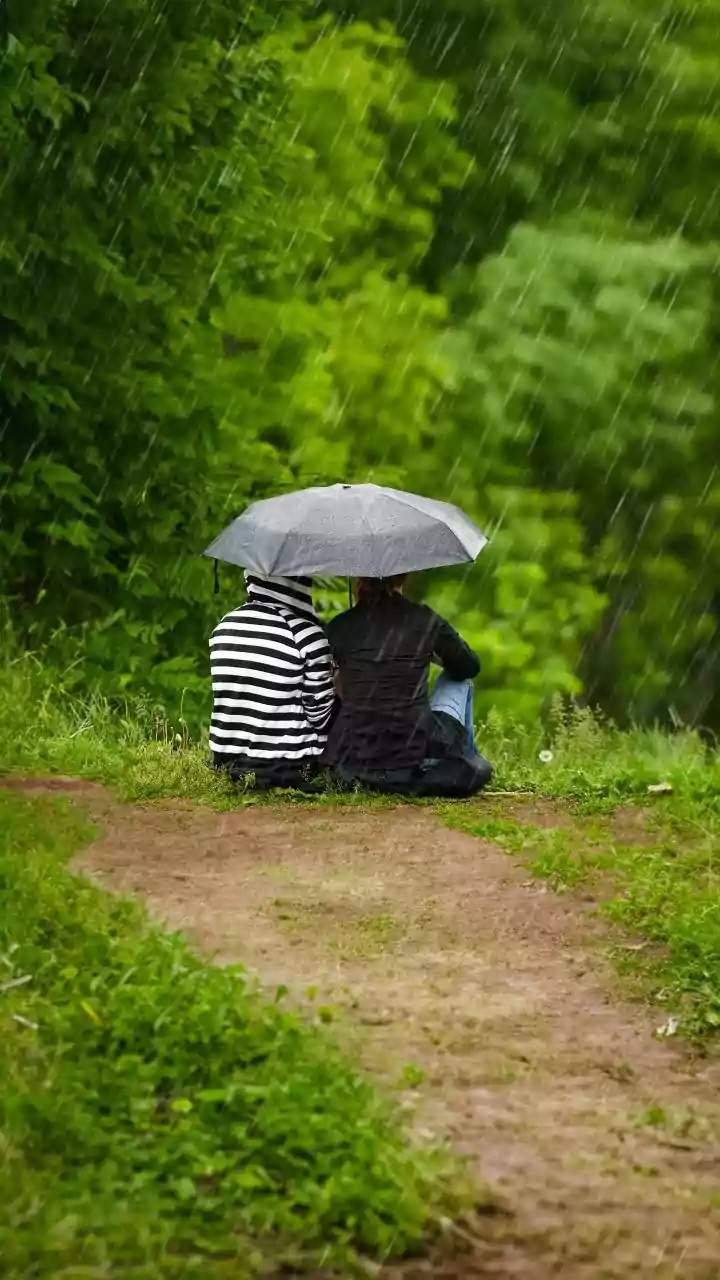
Choosing a cooler destination is about more than just comfort; it has become a new status symbol. It signals an awareness of climate change and a conscious rejection of the overtourism that plagues traditional hotspots. [4, 6] Travellers, particularly Millennials and Gen Z, are increasingly seeking authenticity and unique experiences over saturated Instagram locations. [14, 19] A trip to a less-crowded, temperate region like Slovenia or the Baltic states suggests a more discerning and thoughtful approach to travel. [6, 25] It's a move away from the performative display of enduring heat on a crowded beach to a more subtle flex: being comfortable, surrounded by nature, and ahead of the curve. [4] This shift also aligns with a growing desire for sustainability, as many of these emerging destinations are known for their green initiatives. [6, 27]
The Social Media Aesthetic Is Changing
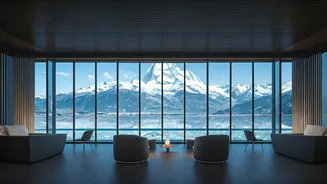
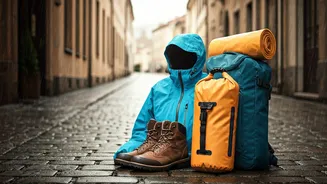
For decades, the ultimate travel brag was a photo in swimwear on a blindingly white beach. Now, the aesthetic is evolving. The new aspirational travel post might feature a stylish jacket worn against the backdrop of a Scottish loch, a cozy cabin in a forest, or a kayak gliding through the tranquil waters of a fjord under the midnight sun. [2, 12] Social media is reflecting this pivot, with influencers and everyday travellers alike sharing images that convey serenity, nature, and comfortable exploration. This visual shift is powerful, inspiring others to seek out peaceful lakes and green mountains instead of bustling, overheated cities. [12] It represents a move toward what some call "hushpitality"—a focus on quiet, nature-immersive experiences that provide a genuine break from a loud and over-stimulated world. [4]