






The Backlash to Hustle Holidays
For years, the definition of a 'good' vacation was tied to activity. It was about seeing the most sights, trying the most exotic foods, or returning home with a new skill. This bled into wellness travel, which became a multi-billion dollar industry promising
transformation through rigorous schedules, juice cleanses, and digital detoxes. The underlying message was that even your rest time should be optimised. But for Gen Z and Millennials, who are often described as the burnout generations, this approach is losing its appeal. Having grown up in a hyper-connected, productivity-obsessed world, they are now actively seeking an escape not just from work, but from the work of vacationing. The idea of a holiday is shifting from a box-checking exercise to a genuine opportunity to recharge, even if that means the most exciting part of the day is a nap.
Beyond Performative Wellness
The problem with much of modern wellness culture is its performative nature. It often involves expensive products, exclusionary practices, and the pressure to project an image of perfect health. Wellness retreats can sometimes feel less about genuine wellbeing and more about participating in a trend, complete with pseudo-medical treatments and an emphasis on physical transformation. This is the 'detox drama' many young people are rejecting. They are questioning the value of paying a premium to follow a restrictive regimen that leaves them feeling guilty or stressed. Instead of a structured, often-punishing detox, they are gravitating towards what has been called 'slow travel'—a more intuitive and authentic form of rest. This isn't about giving up on health; it's about redefining it on their own terms, away from commercial pressures.
The Art of the 'Nothing-cation'
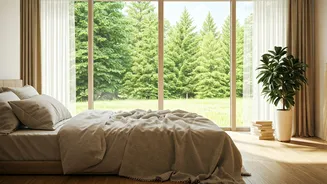
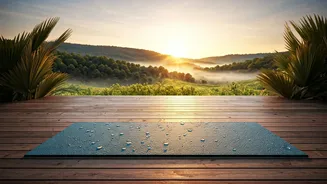
Enter the 'nothing-cation' and 'sleep tourism'. These trends are exactly what they sound like: holidays centred around rest, with minimal plans and a focus on sleep. This could mean renting a cabin with no agenda other than to read and walk, or checking into a hotel specifically designed for optimal sleep with blackout curtains and soundproofed rooms. The goal is to disconnect from the relentless pace of modern life and allow the body and mind to truly recover. It's a movement that embraces spontaneity and freedom from the pressure of a packed itinerary. Studies and booking trends show a growing interest in these unstructured trips, which allow for deeper relaxation and more authentic local experiences. It’s a quiet rebellion against the idea that every moment must be filled.
Rest as a Radical Act
Choosing to do nothing on holiday might feel lazy to some, but it is increasingly being seen as a strategic and radical act of self-care. In a world that equates busyness with importance, deliberately choosing stillness is a powerful statement. This approach recognises that true restoration doesn't come from a packed schedule of yoga and green juices, but from unstructured downtime. The benefits are clear: reduced stress, deeper connections with travel partners and local culture, and a more profound sense of rejuvenation. Travellers who embrace a looser schedule often return with better stories and a genuine feeling of being refreshed, rather than needing a vacation from their vacation. By prioritising rest over productivity, young travellers are not just changing how we see holidays; they are advocating for a more sustainable and humane approach to life itself.