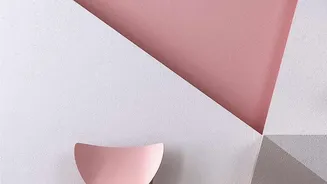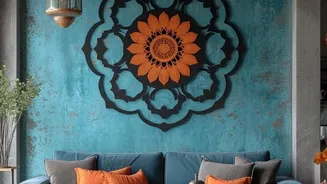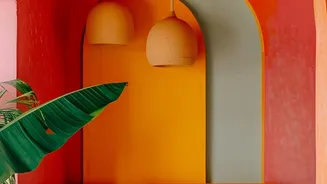

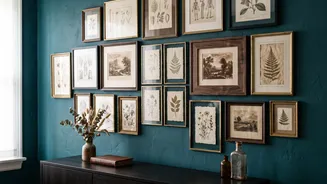
Craving a fresh look for your space but dreading the dust, cost, and commitment of a full renovation? There's a simple, high-impact solution: colour-blocking wallpaper. It's the ultimate design hack for achieving a chic, modern aesthetic.
What is Colour-Blocking?
Originally a fashion
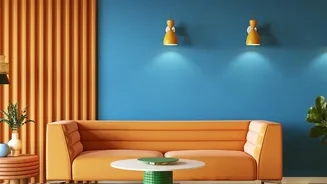
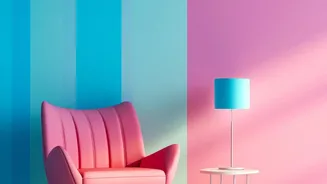
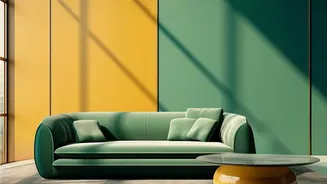
trend, colour-blocking involves using two or more solid blocks of colour to create a bold, graphic statement. On walls, this translates to using large, defined shapes—like rectangles, arches, and stripes—to add architectural interest and drama without overwhelming a room. Instead of painting intricate designs, colour-blocking wallpaper offers the same striking effect in a single, easy-to-apply product. The trend has evolved beyond simple squares; modern designs include everything from mid-century modern curves and Bauhaus-inspired circles to oversized geometric patterns.
The No-Renovation Renovation
The primary appeal of colour-blocking wallpaper is its ability to deliver a transformative look with minimal effort. For renters or those hesitant to commit to paint, peel-and-stick versions are a game-changer. This renter-friendly option allows for easy application and, more importantly, damage-free removal, meaning you can experiment with trends without risking your security deposit. Beyond its low-commitment nature, it's also a budget-friendly way to achieve a high-end look. You can create the illusion of architectural features like wainscoting or a headboard, or simply add a sophisticated focal point to a room for a fraction of the cost and time of traditional construction or painting.
Choosing Your Colour Story
The key to successful colour-blocking is a thoughtful palette. Current trends for 2026 are moving toward warm, earthy, and grounded tones. Think terracotta, sage green, deep blues, and rich browns, which are replacing cooler greys as the go-to neutrals. For a bold, energetic space, choose complementary colours that sit opposite each other on the colour wheel, such as blue and orange. For a more subtle, harmonious feel, an analogous palette, which uses colours that are next to each other on the wheel (like blue and green), is a great choice. Don't be afraid to mix a solid painted wall with a colour-blocked wallpaper to create even more depth and personality.
Strategic Placement for Maximum Impact
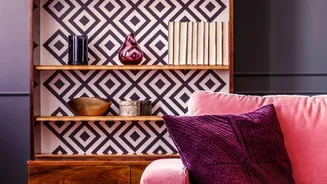
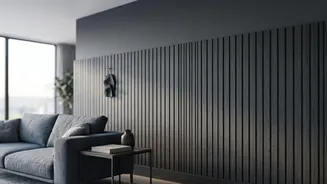
You don't need to cover an entire room to make a statement. Colour-blocking wallpaper works brilliantly as an accent. The wall behind a bed or sofa is a classic choice for creating a focal point without overwhelming the space. Use it to define a specific zone in an open-plan area, like a dining nook or a home office corner. A pop of colour and pattern in an entryway can create a welcoming first impression, while applying wallpaper in an alcove or on the back of a bookshelf adds a surprising layer of design sophistication. Geometric patterns with vertical lines can even create the illusion of higher ceilings, making a small room feel taller.
Application Made Simple
For the DIY-inclined, peel-and-stick wallpaper is incredibly user-friendly. The process is clean, fast, and forgiving; if you misalign a panel, you can simply peel it off and reposition it. Before you begin, ensure your wall is clean, smooth, and dry to ensure proper adhesion. While traditional wallpaper requires paste and can be more complex, many modern versions are designed to be more manageable. Whichever type you choose, always order a sample first. This allows you to see the colours and texture in your room's specific lighting and ensures the adhesive is compatible with your wall surface.