



The Myth of the Flawless Home
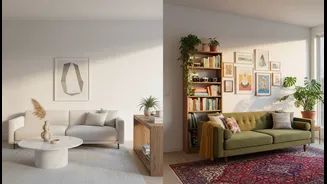
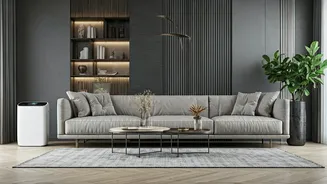
Scroll through social media, and you'll find an endless gallery of pristine, minimalist homes. These spaces are often stark, uncluttered, and styled to a degree that feels disconnected from the vibrant rhythms of daily Indian life. The pressure to maintain
such a sterile environment can be a source of stress, turning a home from a sanctuary into a showroom. This aesthetic, often imported, clashes with the practicalities of Indian households—characterised by multi-generational families, frequent social gatherings, and a culture that is inherently warm and layered. The reality is, life comes with chargers, tiffins, children's toys, and the beautiful chaos of a home that is truly lived in.
The Rise of 'Wabi-Sabi' and Lived-In Aesthetics
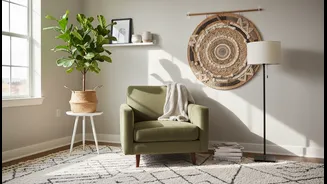
In response to this, many are embracing design philosophies that celebrate imperfection. One such concept gaining traction in India is the Japanese philosophy of 'wabi-sabi'. This worldview finds beauty in things that are imperfect, impermanent, and incomplete. 'Wabi' refers to rustic simplicity, while 'sabi' is the beauty that comes with age—like the patina on old brass or the texture of a weathered wooden table. This isn't an excuse for messiness, but a conscious choice to appreciate items with history and character. Think of hand-woven textiles with minor irregularities, mended pottery, or furniture inherited from grandparents—each piece telling a story.
Practicality in the Indian Context
An imperfect, textured approach to decor is not just an aesthetic choice; it's deeply practical for the Indian environment. High-gloss surfaces and all-white interiors are difficult to maintain with the dust and humidity common in many parts of the country. Textured walls, such as those with lime plaster, and natural materials like unpolished stone, terracotta, and jute are more forgiving and age gracefully. These materials create a sense of warmth and a connection to nature, offering a calming alternative to cold, synthetic finishes. A home designed with these elements feels more welcoming and less precious, allowing life to unfold without the constant fear of a scratch or a stain.
A Return to Artisanal Roots
This trend also signifies a renewed appreciation for India's rich heritage of craftsmanship. Instead of mass-produced furniture, there's a growing desire for handcrafted pieces that showcase local skills. A block-printed curtain, a hand-carved wooden jharokha, or a Chettinad-inspired pillar brings a unique identity and cultural depth to a space that a generic item cannot. These pieces are inherently 'imperfect' due to their handmade nature, and it is these very imperfections that give them soul and authenticity. By incorporating traditional motifs, textiles, and materials, homeowners are creating spaces that feel both globally aware and distinctly Indian.
The Joy of a Home with a Story
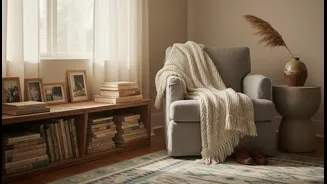
Ultimately, a home should be a reflection of the people who inhabit it, not a hollow imitation of a trend. The shift towards imperfect decor is a move towards personalisation and emotional comfort. It's about building a space filled with objects that hold meaning, whether it's a collection of family photos, travel souvenirs, or a piece of art made by a loved one. This approach creates a home that feels layered and personal, where every corner has a story to tell. It’s a design philosophy that prioritises feeling over finish, creating sanctuaries that are not just beautiful to look at, but are also deeply and authentically liveable.