


The Problem with Today's Batteries
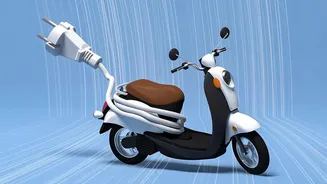
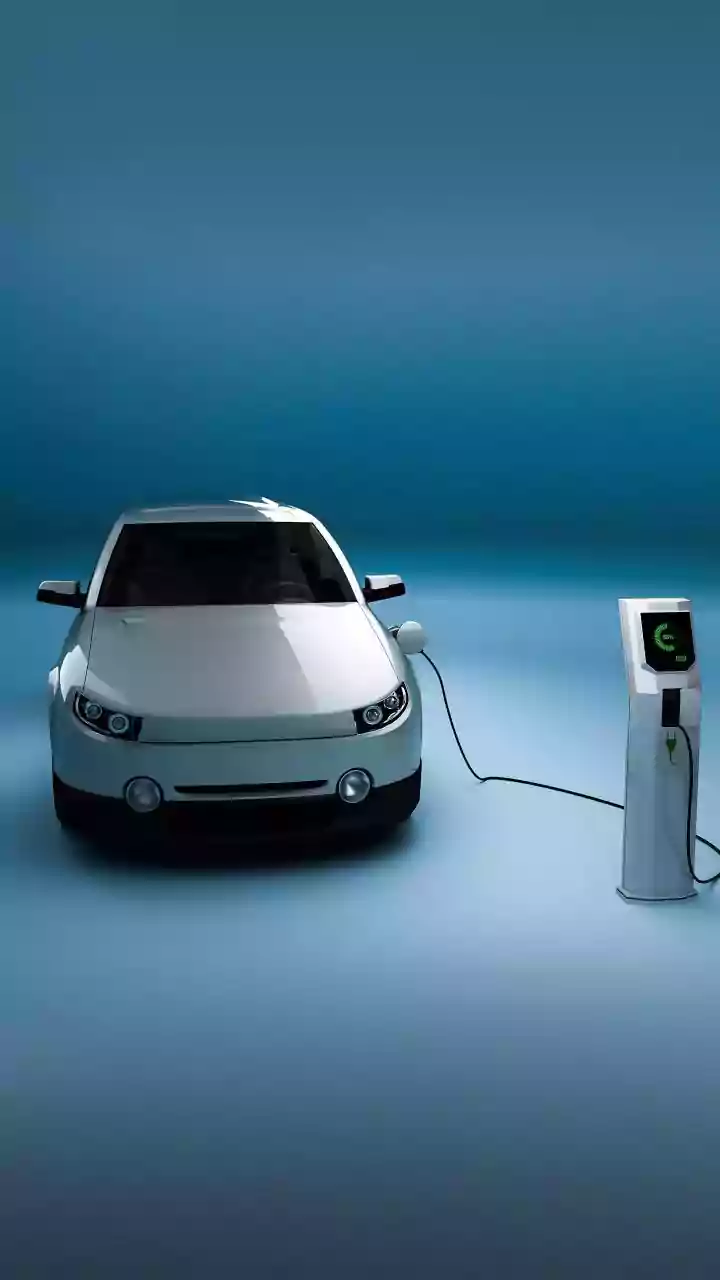
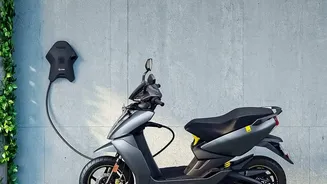
For years, the electric vehicle revolution in India has been powered by the lithium-ion battery. It's a reliable workhorse, packing enough energy to make daily commutes possible. However, it has a significant drawback: charging time. A standard home charger
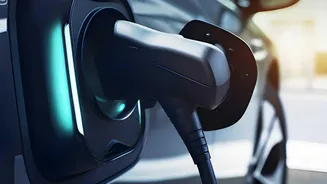
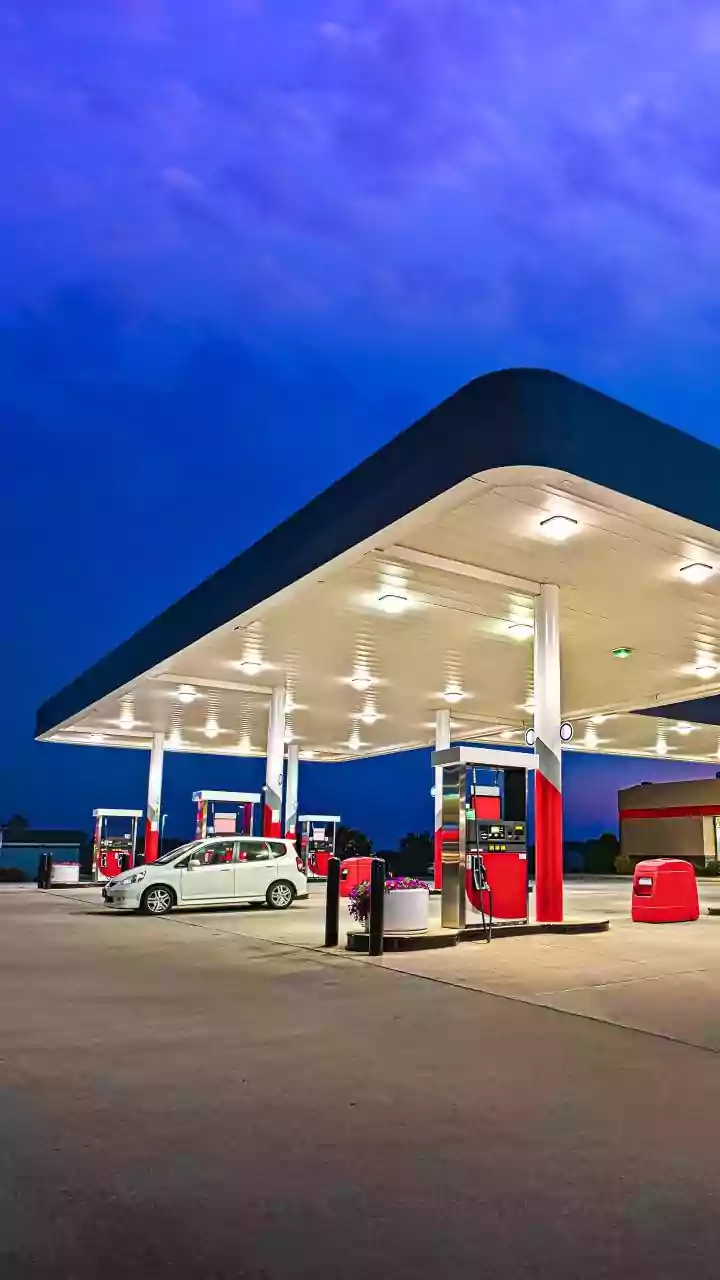
can take anywhere from four to eight hours to fully charge an EV scooter. This long downtime is a major inconvenience for busy professionals, families, and especially for commercial users like delivery riders, for whom time is money. While improved AC fast chargers have cut this down to three to five hours, it's still a world away from the five-minute stop at a petrol pump that we are all accustomed to. This 'range anxiety' and charging delay remain key barriers preventing wider EV adoption.
Meet the Next-Generation Contenders
The future of fast charging lies in moving beyond the current generation of lithium-ion technology. Scientists and engineers are pioneering several new chemistries, with two clear frontrunners for the scooter market: Solid-State Batteries and Sodium-Ion Batteries. Solid-state batteries replace the liquid or gel component (the electrolyte) in a conventional battery with a solid, often ceramic, material. This fundamental change not only improves safety by reducing fire risk but also allows for much higher energy density—meaning more range in a lighter pack. Sodium-ion batteries, on the other hand, replace costly and supply-chain-sensitive lithium with abundant and inexpensive sodium. While they currently offer lower energy density than lithium-ion, their potential for rapid charging and lower cost makes them a very attractive alternative for affordable, mass-market scooters.
The Science of a Five-Minute Charge
So, how do these new technologies achieve such incredible charging speeds? It comes down to two main factors: ion movement and thermal management. Fast charging is essentially about pushing electricity into the battery as quickly as possible without causing damage. In next-gen batteries, advanced materials and new structures facilitate quicker ion movement. Think of it like a less congested highway for energy to travel on. Solid-state electrolytes and graphene-based components are particularly good at this. The other half of the puzzle is heat. Pushing a lot of power into a battery generates immense heat, which can degrade the battery and even be dangerous. Breakthroughs in internal thermal modulation—active temperature control systems—allow the battery to get hot enough to charge efficiently but not so hot that it causes damage. This combination allows for charging rates that could add hundreds of kilometres of range in under 10 minutes, bringing the EV experience tantalizingly close to a conventional refuel.
Hurdles on the Road to Mass Adoption
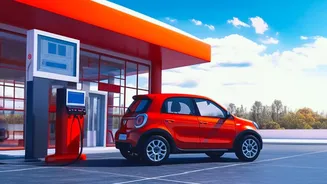
While the technology is incredibly promising, bringing these batteries from the lab to the streets of India has its challenges. The primary obstacle is manufacturing cost and scale. New battery materials and processes are currently expensive, and it will take time for production to ramp up and achieve the economies of scale needed to make them affordable for the average scooter buyer. Safety and durability also need to be proven in real-world conditions, from scorching summer heat to monsoon rains. Furthermore, a scooter that can charge in five minutes is only useful if there are public charging stations powerful enough to deliver that energy. The development of this new battery technology must go hand-in-hand with an upgrade to the public charging infrastructure.
What a 'Quick Refuel' Means for India
The impact of achieving a five-to-ten-minute charge time cannot be overstated. For an Indian scooter user, it means freedom. It eliminates the need for meticulous planning around overnight charging. A rider could top up their battery during a short break at a roadside dhaba or a grocery run. This convenience would make EV scooters a far more practical choice for a much wider audience, including those in smaller towns and rural areas where home charging setups might be less reliable. It would boost the gig economy, allowing delivery riders to minimize downtime and increase their earnings. Ultimately, 'lightning-fast refuelling' removes the main psychological barrier holding many back from making the switch, accelerating India's transition to sustainable, clean mobility.