




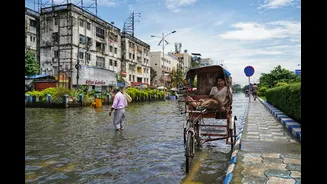

Why Water Becomes the First Casualty
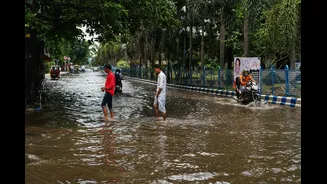
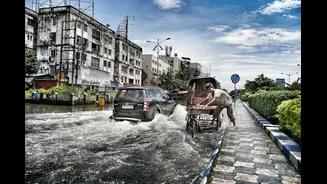
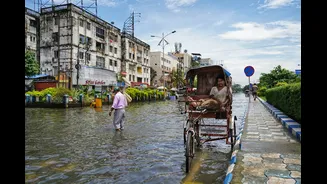
During heavy monsoon spells, the very abundance of water paradoxically leads to a scarcity of safe drinking water. Flooding can contaminate public water systems, open wells, and borewells with sewage, chemicals, and debris. Power outages can shut down
water treatment plants and pumping stations. In these scenarios, having a localised, pre-planned emergency water supply is not just a convenience—it's a vital component of community resilience. The National Disaster Management Authority (NDMA) consistently advises that securing clean drinking water is a top priority during and after floods to prevent the outbreak of waterborne diseases like cholera, typhoid, and diarrhoea.
The Community Storage Playbook
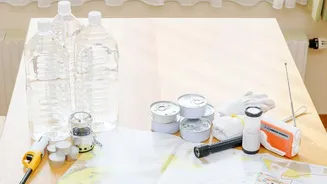
Proactive communities don't wait for disaster to strike. They create a decentralised water storage plan. This often involves designating and preparing large, clean, and reliable water tanks that can be filled before the heavy rains begin. These can be overhead tanks for a building complex or larger community-level storage solutions. The general rule is to store at least four litres of water per person, per day, for a minimum of three to five days. Community groups often take inventory of all available food-grade storage containers, ensuring they are properly cleaned and sanitized with a mild bleach solution before being filled with potable water.
Harnessing the Rain
Beyond storing tap water, many communities are reviving and modernising the age-old practice of rainwater harvesting. Rooftop rainwater harvesting systems channel rainfall from clean roofs into storage tanks or underground sumps. This method provides a direct, localised source of fresh water. On a larger scale, community-led watershed management projects involve creating percolation pits and check dams. These structures slow down monsoon runoff, allowing water to filter naturally into the ground and recharge local aquifers, which helps maintain groundwater levels for wells and borewells long after the rains have passed.
Emergency Purification Methods
When stored water runs low or its quality is uncertain, knowing how to purify it is crucial. The most reliable method recommended by health authorities is to bring water to a rolling boil for at least one full minute. Communities often disseminate this information widely. If boiling isn't possible, chemical disinfection is the next best option. Adding unscented household bleach in correct, small amounts (typically 6-8 drops per gallon of clear water) can kill most harmful germs. Water purification tablets containing chlorine or iodine are also a key part of community emergency kits, especially for providing a quick, safe water source when people are displaced.
Communication and Inclusive Planning
Technology and teamwork are key. Community-based disaster risk reduction (CBDRR) initiatives focus on creating a clear communication plan. This involves using local messengers, radio, and mobile apps to share weather updates and warnings. Crucially, these plans prioritise the most vulnerable residents—the elderly, people with disabilities, and low-income families—to ensure they have equal access to stored water and purification supplies. Disaster Management Committees at the local level, often involving gram panchayats, are responsible for creating these plans and conducting drills to ensure everyone knows their role when an emergency hits.