

From Faux Pas to Fashion Statement
The unwritten rule was simple: never be photographed in the same outfit twice. Fueled by the relentless churn of fast fashion and the curated perfection of social media, the pressure to maintain a constantly new wardrobe was immense. This mindset encouraged
a culture of overconsumption, where clothes were treated as disposable. However, the tide is turning. Indian consumers, particularly the younger generation, are beginning to reject this narrative. Outfit repeating is being reframed from a sign of limitation to a mark of intelligence and self-assurance. It's a conscious decision to value personal style over fleeting trends.
The Celebrity Stamp of Approval
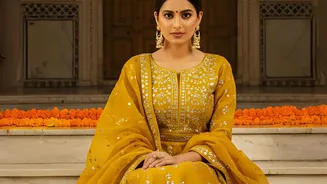
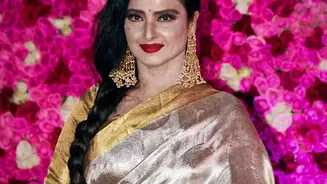
A significant catalyst for this change has been the visible endorsement from Bollywood celebrities. When stars like Deepika Padukone, Alia Bhatt, and Janhvi Kapoor consciously re-wear their clothes, from airport looks to wedding sarees, it sends a powerful message. Alia Bhatt famously re-wore her Sabyasachi wedding saree to receive a National Film Award, showcasing how a cherished piece can be restyled for different significant occasions. Janhvi Kapoor has openly spoken about it, dismissing trolls by stating she hasn't earned enough money to wear new clothes daily, a relatable sentiment that normalises the practice for millions. This celebrity backing has been instrumental in dismantling the stigma and making outfit repeating aspirational.
The Psychology of Simplicity
Beyond the fashion aspect, there's a psychological benefit to re-wearing clothes. Adopting a 'personal uniform' or a small rotation of trusted outfits helps to reduce decision fatigue. High-achievers often simplify their clothing choices to conserve mental energy for more important tasks. In a world of constant choice, repeating an outfit is a small act of control and a way to create a stable, predictable routine. It shifts the focus from the stress of 'what to wear' to the comfort and confidence an outfit provides, fostering a healthier relationship with one's wardrobe and self-image.
A Vote for Sustainability and Quality
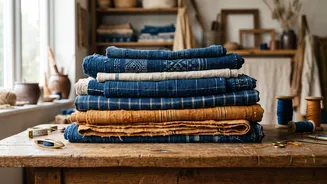
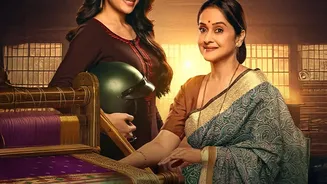
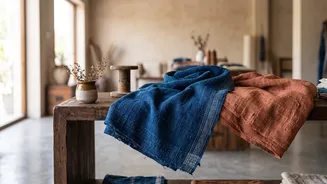
The movement towards repeating outfits is deeply connected to a growing awareness of fast fashion's environmental and ethical costs. India's textile industry is a massive contributor to waste, and consumers are increasingly seeking ways to make more responsible choices. Choosing to re-wear is a practical step towards sustainability, reducing consumption and waste. This mindset encourages a shift in purchasing habits: buying fewer, but better, high-quality items designed to last. The focus moves from the quantity of clothes to the quality of the fabric and craftsmanship, a trend that aligns with India's rich heritage of durable, timeless textiles like handloom and khadi.
Investing in a Personal Style
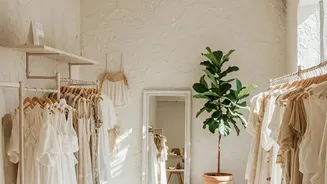
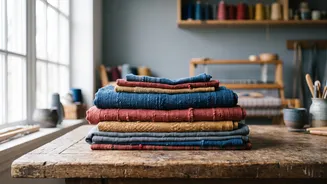
Ultimately, the rise of outfit repeating signals a maturation of personal style. Instead of chasing micro-trends that last only a season, people are investing in pieces that truly reflect their identity. The 'cost-per-wear' metric is gaining traction, where the value of a garment is judged by its longevity and versatility, not its novelty. This encourages building a wardrobe of 'investment pieces' that can be styled in multiple ways. It's a move away from needing clothes to announce who you are and towards a quieter confidence where clothes simply, and beautifully, represent you.