





The National Water Shortfall
Recent data from the Central Water Commission is a cause for concern. As of late September 2026, the water stored in 178 of India's major reservoirs was at about 70% of their total capacity. This is significantly below the 10-year average of 76.62% and
last year's level of 79% for the same period. The situation is a direct result of an uneven southwest monsoon, which saw a cumulative rainfall deficit of around 12%. The southern region is the most affected, with reservoirs at just 50% of their capacity. This shortfall affects everything from drinking water supplies to irrigation and hydropower, making household conservation more important than ever.
In the Kitchen: Where Small Changes Add Up
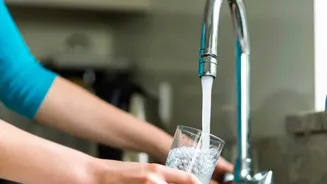
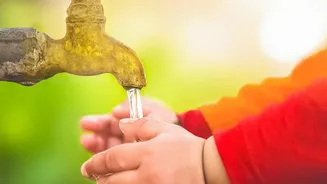
The kitchen is a high-traffic area for water use, but also a place where simple habits can lead to big savings. Start by not letting the tap run. Instead of washing fruits and vegetables under a constant stream, use a basin of water. This water, often called 'grey water', can then be reused to water your plants. When washing dishes by hand, use a two-basin method: one for soaping and one for rinsing, rather than letting the tap run. If you own a dishwasher, make sure to run it only with a full load. And instead of letting the tap run until the water is cold enough to drink, keep a jug of water in the refrigerator. Finally, check for and immediately fix any leaks in your kitchen taps; a single dripping tap can waste thousands of litres a year.
The Bathroom: A Hub for Water Conservation
A significant portion of domestic water consumption happens in the bathroom. The biggest and most effective change for many Indian households is choosing a bucket bath over a long shower. A shower can use over 6 litres of water per minute, while a bucket allows you to control the exact amount of water you use, saving a considerable amount daily. Turn off the tap while brushing your teeth or shaving; this simple action alone can save hundreds of litres per month. Another major source of waste is a leaking toilet cistern. Check for leaks by adding a few drops of food colouring to the tank and waiting 30 minutes. If the colour appears in the bowl without flushing, you have a leak that needs fixing. If you are considering an upgrade, installing low-flow fixtures and dual-flush toilets can reduce water use by 30-50%.
Laundry and Cleaning: Maximising Efficiency
When it comes to laundry, the golden rule is to only run the washing machine with a full load. This ensures you get the most out of the 100-150 litres of water a single cycle can consume. If you must wash a smaller load, be sure to use the appropriate water level setting on your machine. A huge opportunity for water saving comes from Reverse Osmosis (RO) purifiers. For every litre of water purified, an RO system typically rejects 2-3 litres of wastewater. Collect this reject water in a bucket. While it's not potable, it is perfectly safe and useful for mopping floors, cleaning balconies, washing your vehicle, or flushing toilets. This single habit can reclaim a significant amount of water that would otherwise go down the drain.
Outdoor and Garden Savings
For those with gardens, balconies, or plants, water usage can add up. The best time to water plants is in the early morning or late evening to minimise evaporation. Instead of using a hose, which can be wasteful, use a watering can for better control. As mentioned earlier, reusing grey water from washing vegetables or the reject water from your RO system is a fantastic, cost-free way to keep your plants hydrated without dipping into your freshwater supply. During the monsoon, consider setting up a simple rainwater harvesting system to collect runoff from your roof or balcony. This water is excellent for all non-potable uses, including gardening and cleaning.