






Prioritise Air Circulation
Stagnant air is moisture's best friend. One of the most effective and simplest ways to combat dampness is to ensure good airflow throughout your home. Make it a habit to open windows and doors for a few hours each day, especially on sunny or dry afternoons.
This creates cross-ventilation, which helps push out humid air and brings in fresh air, preventing condensation on walls and ceilings. Using ceiling fans or table fans, even on a low setting, also helps keep the air moving, discouraging mould spores from settling.
Harness the Power of Salt
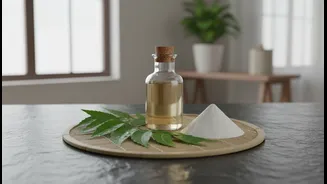
Common rock salt is a surprisingly effective and affordable natural dehumidifier. Salt is hygroscopic, meaning it naturally attracts and absorbs moisture from the air. Place bowls of coarse rock salt in damp corners, inside wardrobes, on windowsills, or in bathrooms. The salt will pull moisture from the air, often clumping together or even forming a brine solution as it works. Once the salt becomes wet and saturated, simply replace it. This is an excellent, electricity-free solution for smaller, enclosed spaces.
Use Charcoal as a Moisture Magnet
Similar to salt, charcoal is highly porous and brilliant at absorbing both moisture and unpleasant odours. You can place activated charcoal briquettes or charcoal bags in cupboards, shoe racks, and bathrooms to keep these areas dry and free from musty smells. For a DIY approach, you can put pieces of charcoal in breathable mesh bags or even old socks and place them where needed. They work silently to purify the air and combat dampness.
Clean with a Vinegar Solution
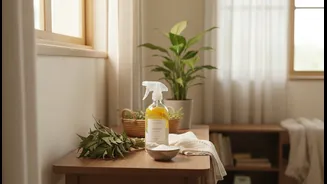
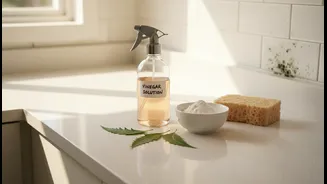
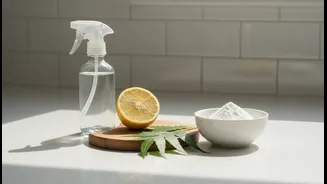
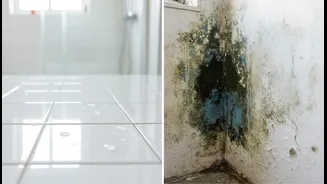
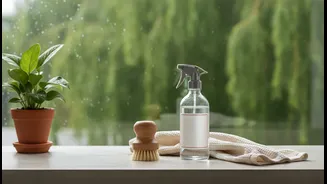
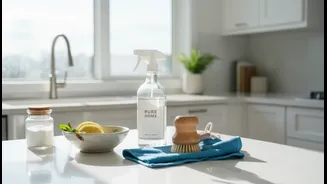
White vinegar is a kitchen staple with powerful antifungal properties. To fight mould and mildew on walls or other surfaces, create a solution of equal parts white vinegar and water. Put it in a spray bottle and lightly mist the affected areas. The acetic acid in vinegar helps kill existing mould spores and prevents new ones from growing. It's a safe, non-toxic alternative to chemical-laden cleaners and is particularly effective for cleaning bathroom tiles and kitchen counters.
Leverage Anti-Fungal Plants and Herbs
Certain indoor plants act as natural dehumidifiers by absorbing moisture through their leaves. Species like peace lilies, spider plants, and Boston ferns can help reduce indoor humidity while also purifying the air. Additionally, traditional Indian solutions like neem have strong antifungal properties. Boiling neem leaves in water and using the cooled solution as a spray can help prevent mould growth on walls and other surfaces. A few drops of tea tree or eucalyptus oil in your cleaning water can also provide an antifungal boost and leave a refreshing scent.
Keep Wardrobes and Fabrics Dry
Clothes and linens are especially prone to developing a musty odour during the monsoon. Ensure clothes are completely dry before storing them. To protect items in your wardrobe, place moisture absorbers like silica gel packets (often found in new shoe boxes or bags) inside. You can also wrap a few camphor balls or place neem leaves in a small cloth bag and hang it in the closet to repel insects and prevent mildew. Leaving closet doors slightly ajar can also help improve air circulation and prevent dampness from getting trapped.
Protect Your Wooden Furniture
Wood is particularly vulnerable during the monsoon, as it can swell and get damaged by excess moisture. To protect it, ensure furniture is not placed directly against damp walls. A gap of a few inches allows air to circulate behind it. Regular dusting and occasional polishing with a wax-based polish can create a protective barrier against moisture. For a simple trick, place silica gel packs or small bags of charcoal inside wooden drawers and cabinets to absorb any trapped humidity.