







The Cold Weather Cardiovascular Advantage
Exercising in cold weather forces your body to work harder just to stay warm, which provides a unique challenge for your cardiovascular system. Your heart has to pump more forcefully and efficiently to circulate warm blood to your extremities. This response,
known as thermoregulation, essentially acts as an additional layer of training on top of your physical activity. Over time, this consistent extra effort can strengthen the heart muscle itself. Think of it as your cardiovascular system getting a bonus workout every time you step outside into the cold. This process can lead to improved overall heart health and function.
Building Superior Endurance
The benefits extend beyond just a stronger heart. Some research suggests that exercising in cooler temperatures can actually improve endurance because the body is under less heat stress. In hot weather, a significant portion of your energy is spent on cooling down. In the cold, with less risk of overheating, you may find you can exercise for longer periods or at a higher intensity. This increased capacity for longer workouts directly translates to enhanced cardiovascular endurance. Furthermore, your body may adapt its fuel usage. While glycogen is a primary fuel in the cold, repeated cold-weather exercise can also encourage an increase in fat metabolism.
The Comfort Factor: How to Dress for Success
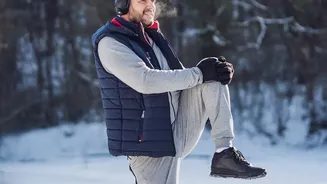
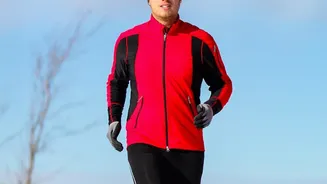
The key to a comfortable winter workout is not to bundle up like you are standing still, but to dress in strategic layers. Start with a base layer made of a moisture-wicking synthetic fabric, like polyester or polypropylene, which pulls sweat away from your skin. Cotton is a poor choice as it absorbs moisture and will make you feel cold and damp. Your second, or mid-layer, should be for insulation; fleece or wool works well here. The final outer layer should be a shell that protects you from wind and moisture, but is also breathable. As you warm up during your workout, you can easily remove a layer to prevent overheating and sweating too much.
The Safety Factor: Essential Winter Precautions
Safety is paramount when exercising in the cold. Always check the weather forecast, paying close attention to wind chill, which can make the temperature feel significantly colder and increase the risk of frostbite. It's crucial to warm up dynamically before you head out to prepare your muscles, which may be stiffer in the cold. Hydration is just as important in winter as it is in summer; you still lose fluids through sweat and breathing, even if you do not feel as thirsty. Also, with shorter daylight hours, wear bright, reflective clothing to ensure you are visible to traffic. Finally, choose your route carefully and wear appropriate footwear to avoid slipping on icy or snowy surfaces.
Finding Your Ideal Winter Workout
You do not need to be an extreme athlete to reap the benefits of winter exercise. Many activities are perfectly suited for the colder months. Brisk walking and jogging are excellent choices, provided the paths are clear of ice. Activities that are unique to the season can also provide fantastic cardiovascular workouts. Cross-country skiing is a powerful full-body exercise renowned for building endurance. Snowshoeing offers a lower-impact but highly effective workout, as moving through snow adds resistance. Even activities like shoveling snow or ice skating can be great ways to stay active and keep your heart healthy during the winter.