

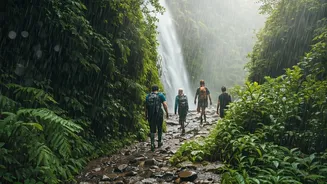


From Urban Comforts to Verdant Trails
For years, the monsoon season signalled a retreat indoors. Heavy downpours made navigating city streets a challenge, pushing families and friends towards the predictable shelter of shopping malls and cinemas. But a significant shift is underway. A growing
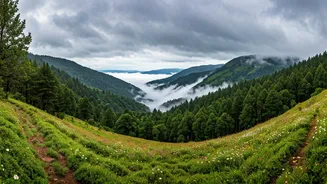
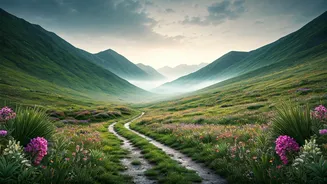
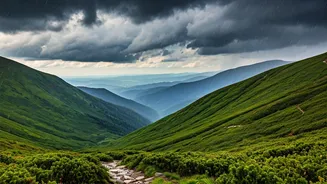
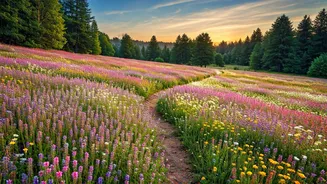
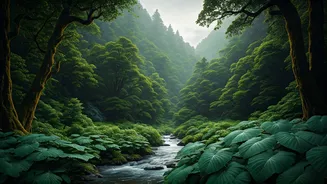
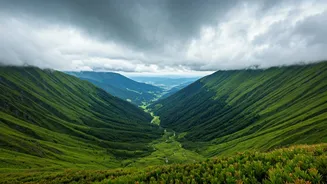
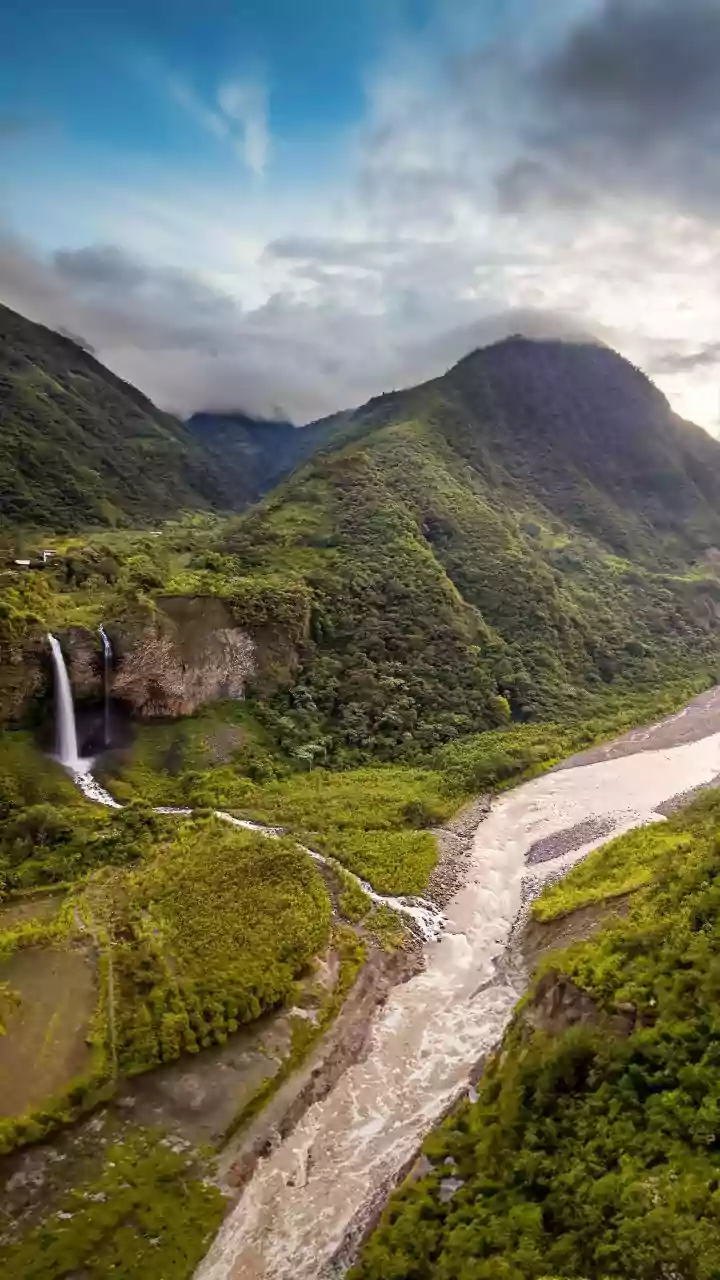
number of urban Indians are now packing their raincoats and trekking shoes, choosing to spend their weekends amidst the lush, green landscapes of India’s mountain ranges. [9, 15] This trend isn't just about escaping the city; it's about embracing the monsoon for what it is—a season of renewal and breathtaking beauty. The hills and ghats, transformed by the rains, offer a sensory experience that air-conditioned spaces cannot match: the scent of wet earth, the roar of newly awakened waterfalls, and the sight of valleys cloaked in mist. [3, 17]
Why the Sudden Urge for Altitude?
Several factors are driving this migration from malls to mountains. The post-pandemic era has instilled a deeper appreciation for open spaces and nature-based experiences. [15] There's a growing desire to disconnect from the digital world and combat the stresses of urban life, with wellness and mental peace becoming top priorities. [15, 18] Millennials and young professionals, in particular, are seeking solitude and therapeutic quietude over crowded urban centres. [18] Furthermore, social media plays a significant role, with Instagram feeds showcasing stunning, rain-washed mountain vistas from places like Munnar, Coorg, and the Western Ghats, inspiring others to seek out these 'grammable' escapes. [4, 18] This shift reflects a broader change in travel preferences, where experience-led journeys are valued more than traditional sightseeing. [7, 20] Travellers are increasingly choosing destinations that align with their personal interests in wellness, adventure, and cultural immersion.
Monsoon Hotspots: Where India is Heading
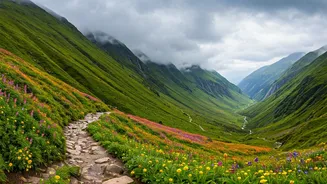
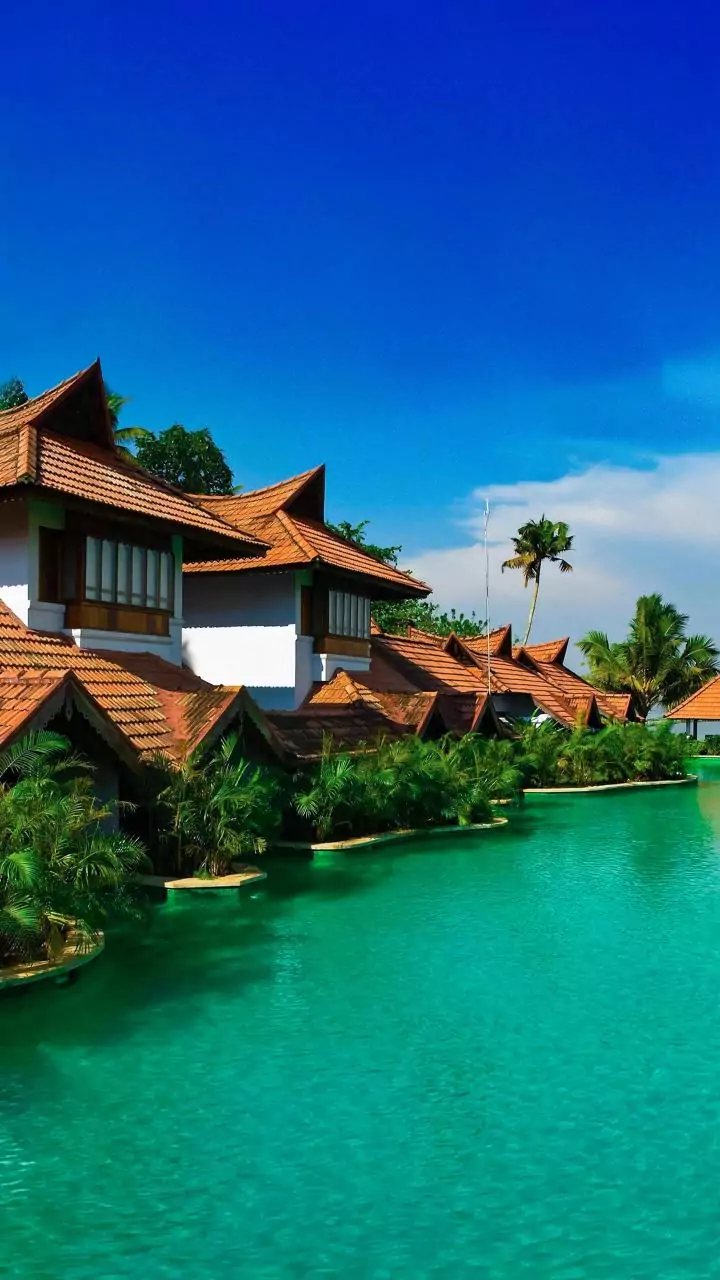
The Western Ghats become a prime destination during this season. Hill stations in Maharashtra like Lonavala and Mahabaleshwar, along with Malshej Ghat, are magnets for those in Mumbai and Pune, famous for their countless waterfalls and scenic drives. [2, 4] In the south, Karnataka's Coorg and Chikmagalur offer misty coffee plantations and spice estates, while Kerala's Munnar and Wayanad become ethereal landscapes of neon-green tea gardens. [5, 6, 14] For the more adventurous, the Himalayas offer unique monsoon treks. While some areas are prone to landslides, treks like the Valley of Flowers in Uttarakhand—which only opens during monsoon—and the Hampta Pass in Himachal Pradesh attract thousands. [3, 13] These treks offer a dramatic contrast of landscapes, from lush green valleys to arid, rain-shadow regions like Spiti and Ladakh, which remain dry and accessible. [5, 9]
More Than a Trek, It's a Mindset
This trend is about more than just physical activity; it represents a cultural pivot. Choosing a mountain trail over a shopping aisle signifies a move towards valuing experiences over possessions. It’s about finding joy in simpler, more profound moments: sipping hot chai while watching clouds roll through a valley, the challenge of a slippery trail, and the camaraderie found among fellow trekkers. [3] This form of travel, sometimes called 'hushpitality', prioritizes quiet, slow-paced holidays that allow for genuine relaxation and disconnection. [16] Eco-tourism is also seeing a rise, with local communities creating a 'rain economy' around guided nature walks and homestays, offering travellers an authentic connection to the place and its biodiversity. [11] The experience is holistic, benefiting both the traveller's well-being and the local economy.
Trekking Smart in the Rain
While the mountains are inviting, monsoon travel requires preparation. Safety is paramount. It’s crucial to check weather advisories and be aware of the risks, such as slippery trails and potential landslides in certain areas. [23] Investing in proper gear is essential: waterproof jackets, sturdy shoes with good grip, and a reliable backpack are non-negotiable. It's also wise to carry a basic first-aid kit, a reusable water bottle, and energy snacks. [13] Finally, responsible tourism is key. The beauty of these destinations lies in their pristine nature, and it's every visitor's duty to leave no trace, carrying back all waste to preserve these landscapes for future generations to enjoy.