






The Current State of Green
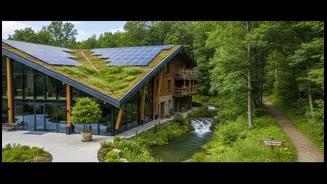
Eco-conscious travellers are a growing force, and the hospitality industry has responded with a dizzying array of green certifications. Labels like LEED, Green Key, and EarthCheck give hotels a framework for improving their environmental footprint, focusing
on crucial in-house metrics. These include everything from installing energy-efficient lighting and low-flow showers to reducing waste, sourcing local food, and eliminating single-use plastics. For the responsible tourist, seeing an eco-certification badge on a booking site provides a welcome shortcut—a seemingly reliable signal that a property aligns with their values. This has pushed many hotels to adopt better practices, which is undoubtedly a positive development. However, these certifications, while valuable, tend to create a narrow focus, making us believe that the choice of hotel is the beginning and end of our environmental responsibility.
The Journey Overshadows the Stay
The single biggest blind spot in most sustainable travel conversations is the journey itself. A hotel might have a perfect record of water conservation and energy efficiency, but its eco-credentials can be completely negated by the carbon emissions produced just getting there. Transportation is the largest contributor to tourism's carbon footprint, accounting for a massive slice of the industry's estimated 8% share of global emissions. A long-haul flight to a remote, off-grid “eco-lodge” can generate more carbon than you might save in a lifetime of reusing hotel towels. The current review system rarely, if ever, accounts for this. It allows us to feel good about staying in a solar-powered resort without forcing us to confront the environmental cost of the flight that made the trip possible. This disconnect creates a green illusion, where the most important factor in a trip's total impact is conveniently left out of the evaluation.
A Green Hotel in a Stressed-Out Place
A hotel does not exist in a vacuum. It is part of a larger destination, and the sustainability of that destination is just as important as the hotel's own practices. This is the second major piece missing from most reviews: context. Imagine a certified green hotel located in a region suffering from “overtourism”—where the sheer volume of visitors strains local infrastructure, degrades the environment, and negatively impacts the quality of life for residents. This hotel might be doing everything right within its own walls, but its very existence contributes to broader, systemic problems. It draws water from a community facing shortages, its guests add to traffic congestion and pollution, and it operates within an ecosystem struggling to cope. True sustainability must be holistic, considering the destination's capacity to handle tourism without suffering environmental and social damage. A hotel can't be truly sustainable if its presence harms the surrounding community and environment.
What a Better Review Looks Like
To move beyond this limited view, we need a fundamental shift in how we review and rate sustainable travel. A truly useful “green” review would look more like a “total trip” impact report. It would still feature information about the hotel’s on-site practices, but it would be integrated with two other critical data points. First, it would provide context on transportation. Review platforms could integrate carbon calculators that show the estimated emissions for getting to the destination from the traveller's location, helping to visualise the impact of a flight versus a train. Second, it must include destination-level metrics. Is this area struggling with overtourism? Are there local water or energy shortages? Does the local municipality have effective waste management? This information would empower travellers to make genuinely informed decisions, choosing not just a green hotel, but a green trip. It would encourage travelling to destinations that can handle the influx and choosing lower-carbon transport options, creating a more honest and impactful form of sustainable tourism.