




What Exactly is Agrivoltaics?
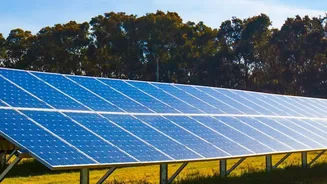
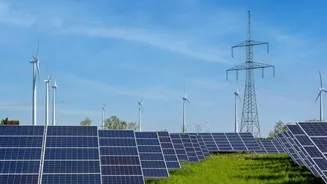
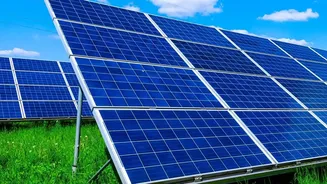
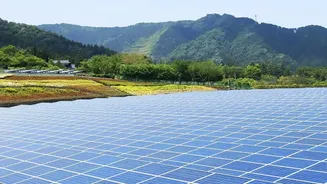
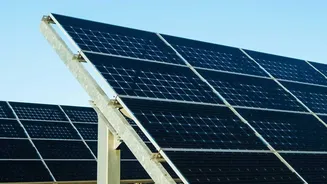
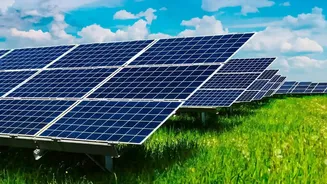
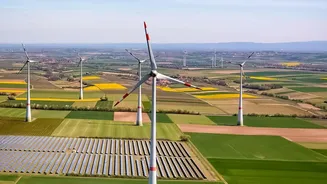
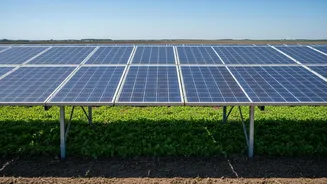
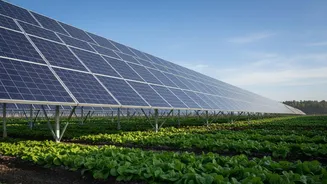
Agrivoltaics, also known as agri-solar, is the integration of agriculture with solar photovoltaic (PV) power generation on the same piece of land. Instead of viewing solar farms and agriculture as competitors for land, this approach treats them as partners.
The typical setup involves installing solar panels on structures elevated high enough to allow farming activities, including the movement of machinery, to continue underneath. This dual-use model is gaining traction as an innovative way to tackle land scarcity, boost rural incomes, and accelerate the transition to renewable energy, all at once. In a country with 156 million hectares of farmland and a goal of reaching 500 GW of renewable energy by 2030, making every acre more productive is a national priority.
The Surprising Power of Shade
The core insight of the headline is that the shade from solar panels isn't a bug; it's a feature. For many crops, especially in hot and arid climates, relentless sun exposure can cause heat stress, which inhibits growth. The partial shade from agrivoltaic systems can lower ambient and soil temperatures, creating a more favorable microclimate. This has several knock-on benefits. First, it reduces water evaporation from the soil, meaning crops require less irrigation—a crucial advantage in water-scarce regions. Studies have shown soil moisture can be 15-25% higher under panels. Second, this protection can lead to better yields for certain shade-tolerant crops like spinach, tomatoes, turmeric, and various greens. In some cases, crop yields can increase by over 30%. The relationship is symbiotic; the crops, through transpiration, release water vapor that helps cool the solar panels, potentially increasing their energy-generating efficiency by up to 10%.
India's Agrivoltaics Push
The Indian government and various states are actively encouraging the adoption of agrivoltaics through policy and pilot projects. The Pradhan Mantri Kisan Urja Suraksha evam Utthan Mahabhiyan (PM-KUSUM) scheme is a major driver, providing subsidies to farmers for installing solar power systems. While it primarily targets barren land, the scheme allows for installations on agricultural land provided farming can continue, effectively enabling agrivoltaics. States like Maharashtra, Gujarat, and Delhi have their own supportive policies, offering financial incentives and guaranteed tariffs for the power farmers feed into the grid. Across the country, over two dozen pilot projects are operational or planned, from Gujarat to Madhya Pradesh, testing different configurations for various crops. Recently, a new pilot was announced for Kashmir to test agrivoltaics with high-value crops like apples in the region's unique climate.
A Win-Win for Farmers and the Grid
The primary appeal of agrivoltaics is its ability to create multiple revenue streams from a single plot of land. Farmers can continue to earn from their harvests while also generating a stable, predictable income by selling electricity to power distribution companies (DISCOMs). This diversification strengthens financial resilience against volatile crop prices and unpredictable weather. For the nation, agrivoltaics offers a path to scale up solar capacity without sacrificing precious agricultural land, a major hurdle for large-scale solar projects. By generating power at the point of consumption in rural areas, it also reduces transmission losses and eases the financial burden on DISCOMs, which heavily subsidize electricity for agriculture.
Challenges on the Horizon
Despite its promise, scaling up agrivoltaics in India faces several hurdles. The most significant is the high upfront capital cost of the elevated structures required for the solar panels, which is higher than for conventional ground-mounted solar farms. Financial support, like the viability gap funding suggested for the Kashmir pilot, may be needed to make projects commercially feasible. There are also technical challenges; the system design, including panel height and spacing, must be carefully calibrated for specific crops to avoid excessive shading that could inhibit photosynthesis and reduce yields of sun-loving crops. Increased maintenance costs and coordinating farming activities with energy production also need to be managed effectively. Establishing clear policies and standardized designs will be crucial for widespread adoption.