


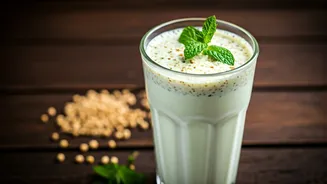


What Exactly Is Sattu?
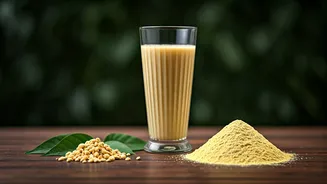
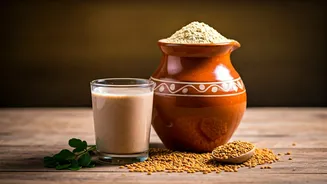
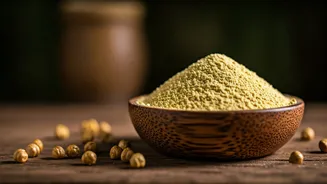
Sattu is, at its core, a flour made from roasted grains or legumes. While it can be made from barley or a mix of grains, the most common and nutritionally potent version in India comes from roasted Bengal gram (kala chana). This humble food has deep roots
in states like Bihar, Jharkhand, and Uttar Pradesh, where it has long been a staple for farmers and labourers, valued for its affordability, long shelf life, and energy-boosting properties. The roasting process is key; it not only imparts a unique, nutty flavour but also makes the nutrients more bioavailable and easier to digest. Unlike other flours, sattu doesn't require cooking, making it an instant source of nourishment.
A True Protein Powerhouse
The headline claim is no exaggeration. Sattu is an exceptional source of plant-based protein. A 100-gram serving can contain upwards of 20 grams of protein, making it comparable to many commercially available protein supplements, but without any additives, preservatives, or artificial sweeteners. For vegetarians and vegans, it’s a game-changer. The protein in sattu is also high-quality, providing many of the essential amino acids the body needs to build and repair tissues, support muscle growth, and maintain overall health. Because it’s derived from a whole food, the protein comes packaged with other vital nutrients, offering a more holistic approach to nutrition than isolated protein powders. It's the original, all-natural Indian protein shake.
More Than Just Protein
While its protein content gets the most attention, sattu’s nutritional profile is impressive all around. It's incredibly rich in dietary fibre, which is crucial for digestive health. The high fibre content helps regulate bowel movements, prevents constipation, and promotes a feeling of fullness, which can aid in weight management by curbing unnecessary snacking. Furthermore, sattu has a low glycemic index (GI). This means it releases sugar into the bloodstream slowly, preventing sharp spikes in blood glucose levels. This makes it an excellent food for managing blood sugar and providing sustained energy. It’s also packed with essential minerals like iron, which fights fatigue; manganese, which is vital for bone health; and magnesium, which plays a role in over 300 bodily functions.
The Ultimate Summer Cooler
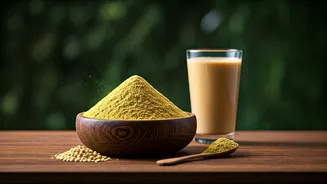
One of sattu’s most celebrated benefits is its natural cooling effect on the body. In the scorching heat of Indian summers, a glass of sattu sharbat is more than just a drink—it’s a traditional remedy to combat dehydration and heat stroke. It works by helping to regulate body temperature and replenishing lost electrolytes and fluids. The high mineral content helps restore the salts lost through sweating, keeping you hydrated and energized. It’s a far healthier alternative to sugary soft drinks and packaged juices, providing nourishment while it cools you down from the inside out.
How to Prepare Classic Sattu Sharbat
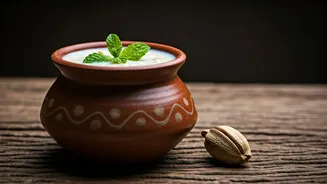
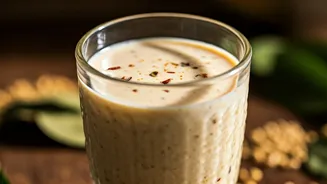
Making a refreshing sattu drink is incredibly simple. You can make it sweet or savoury based on your preference. For a savoury version (Namkeen Sattu): take 3-4 tablespoons of sattu in a glass. Add chilled water and stir well to avoid lumps. Squeeze in the juice of half a lemon, add black salt (kala namak) and roasted cumin powder (bhuna jeera) to taste. Garnish with finely chopped onions and mint leaves for extra flavour and crunch. For a sweet version (Meetha Sattu): mix the sattu with chilled water or milk, and sweeten with jaggery or sugar. Both versions are ready in minutes and serve as a quick, filling, and healthy mini-meal.
More Ways to Enjoy Sattu
Don't just limit sattu to drinks. Its versatility makes it a fantastic addition to your kitchen. You can mix a few tablespoons of sattu into your regular chapati or roti dough to boost its protein and fibre content. It’s the star ingredient in Bihar’s famous litti, where it’s used as a spicy, flavourful stuffing. You can also make healthy and delicious sattu laddoos by mixing it with ghee and jaggery for a guilt-free sweet treat. Some people even use it to make a thick, porridge-like paste for a quick and nutritious breakfast. Experiment with it as a thickener in soups or gravies to add a nutty flavour and a dose of nutrients.