



The Booking Battle: Plan Well Ahead
The single most important rule for festive train travel in India is to book your tickets the moment the window opens, which is typically 120 days in advance. For the Rakhi weekend of 2026, many key routes, especially those originating from Delhi towards
Uttar Pradesh and Bihar, were fully booked weeks before the festival. Seats vanished so quickly that waiting lists on major trains swelled into the hundreds before the railways had to stop issuing them, a status known as "Regret". Setting a calendar reminder for the booking date is not an exaggeration; it is a necessity. Using the official IRCTC Rail Connect app or website is your best bet. Ensure your profile, passenger list, and payment details are saved beforehand to enable a faster checkout, as every second counts.
Hunt for Festival Special Trains
To manage the immense pressure on the network, Indian Railways announces special train services on high-demand routes during festivals like Raksha Bandhan. For the 2026 festival, various zones deployed extra services to clear the rush. West Central Railway, for example, announced 47 special services, while Northern Railway added more trains on the congested Delhi-UP corridor. These trains are a lifeline for last-minute travelers. Keep a close watch on the press releases from zonal railways and the National Train Enquiry System (NTES) portal in the weeks leading up to the festival. These announcements are often made just a few weeks or even days before the travel date, providing a crucial second chance for those who missed out on regular bookings.
The Tatkal Tightrope Walk
For those unable to secure an advance ticket, the Tatkal quota is the next port of call. These tickets open for booking at 10 AM for AC classes and 11 AM for non-AC classes one day before the train's departure. However, during Rakhi, this is a high-stakes gamble. Demand is so fierce that Tatkal tickets are often exhausted within minutes of opening. To improve your chances, be logged into your IRCTC account before the booking window opens, have your passenger details ready to copy-paste, and use a fast and reliable internet connection. Even then, success is not guaranteed, and it is wise to have a backup plan ready.
Navigating the Station Maze
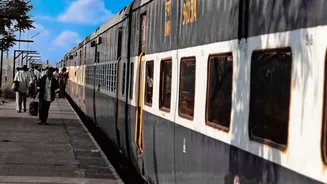
On the day of the journey, the chaos shifts from the digital world to the physical one. Major stations like New Delhi, Anand Vihar, and Mumbai CST become a sea of humanity. Authorities often implement crowd control measures, so it is vital to arrive early. For the Rakhi 2026 rush, passengers at New Delhi station were advised to arrive 60 to 75 minutes before departure. Double-check your train’s platform number on the digital display boards, as last-minute platform changes are common during festive periods. Pack light if possible, or use a trolley to manage your luggage. Keep your ticket and a valid photo ID handy for easy verification. A calm and patient approach is your greatest asset in the station.
Onboard Smarts for a Smoother Ride
Once you have successfully boarded, a few simple practices can make the journey more comfortable. Secure your luggage by chaining it to the hooks provided under the lower berth; locks for bags are a must-have. Pack a small bag with essentials: a water bottle, snacks, a power bank for your phone, wet wipes, and a light blanket, as AC coaches can get chilly. While train pantries and vendors offer food, carrying some of your own is a good idea, especially if you have a sensitive stomach. Be mindful of your surroundings and keep your valuables like your wallet and phone close, especially when sleeping.
Consider Your Plan B Options
Sometimes, despite all efforts, a confirmed train ticket remains elusive. In such cases, explore alternatives. Indian Railways' Vikalp scheme can sometimes allot you a confirmed berth on a different train if one is available. For shorter distances, other transport modes can be a saviour. During the recent Rakhi rush, the Namo Bharat rapid rail service in the Delhi-Meerut corridor increased its frequency to every eight minutes to accommodate travelers. Similarly, some state governments, like Uttar Pradesh, offered free travel for women on state-run buses during the festival, providing another valuable alternative.