



More Than Just a Fruit Salad
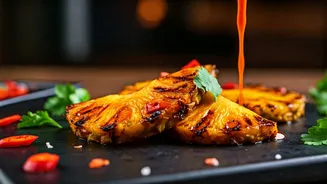
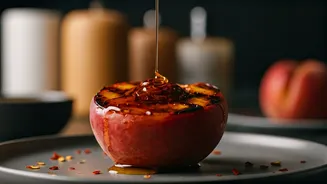
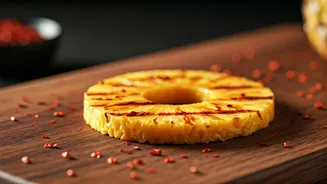
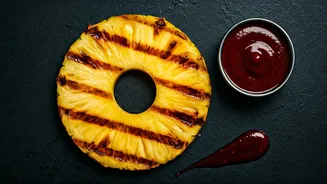
Forget the sad, syrupy pineapple rings from a can. The star of this trend is fresh pineapple, cut into spears or slabs, kissed by the flames of a grill until its sugars caramelize and its edges are tinged with a smoky char. But the magic happens next.
While still warm, it’s tossed with a fiery mix of fresh chiles—like jalapeño, serrano, or even habanero—along with cilantro, lime juice, and a pinch of salt. The result isn’t a sauce, but a condiment with substance. It’s a chunky, textural relish that delivers sweetness, acidity, smoke, and a creeping heat all in one bite. Grilling is the key step, transforming the fruit from a simple sweet treat into something complex and savory. The high heat unlocks a deeper flavor that stands up to the spice, creating a balanced profile that’s far more interesting than just raw fruit mixed with peppers.
The Irresistible Pull of Sweet Heat
So, why now? The rise of spicy grilled pineapple taps directly into our growing obsession with complex flavor profiles, particularly “sweet heat.” This combination lights up multiple pleasure centers in the brain. The sugar provides an immediate, satisfying rush, while the capsaicin from the chiles triggers a mild, endorphin-releasing pain response. It’s a culinary roller coaster in a single mouthful. For years, this dynamic has been dominated by sweet-spicy glazes and sauces, from Thai sweet chili to Nashville hot chicken. But as American palates become more adventurous, diners are seeking more sophisticated versions of this pairing. Spicy pineapple offers a natural, fruit-forward sweetness that feels fresher and less processed than corn-syrup-laden sauces. It’s a tangible, whole-food way to experience a flavor combination that was previously confined to a bottle.
From Urban Food Trucks to Tasting Menus
While the headline’s claim of “replacement” might be bold, there’s no denying this condiment’s growing footprint in urban food scenes. Look closely at the menus of the most popular taco trucks in cities like Austin and Los Angeles. You’ll find grilled pineapple salsa offered as the perfect counterpoint to rich al pastor or crispy carnitas. It cuts through the fat while adding its own layer of smoky complexity. But it’s not just for tacos. Innovative chefs are spooning it over grilled fish, pairing it with rich pork belly, and even using it to top gourmet burgers and hot dogs. It provides the acidic kick of a pickle, the sweetness of a jam, and the heat of a hot sauce all at once. In some fast-casual eateries, it’s appearing in grain bowls and salads, adding a vibrant, tropical punch that makes healthy food feel indulgent.
A Different Tool for a Different Job
To say spicy pineapple “replaces” traditional hot sauce isn’t entirely accurate. It’s more like a new, exciting tool in the culinary toolbox. A dash of Cholula or Frank’s RedHot provides a uniform, vinegary heat that can be applied to anything. It’s consistent, reliable, and deeply familiar. Spicy grilled pineapple, on the other hand, is a statement piece. It brings not just heat, but also significant texture and a dominant fruit flavor. You wouldn’t splash it on your eggs in the morning the way you would Tabasco. Instead, it’s a more deliberate choice—a condiment that becomes an integral part of the dish itself. It shines brightest where its chunky texture and caramelized sweetness can contrast with savory, fatty, or smoky proteins. It’s less of a universal seasoning and more of a co-star.