





Understanding the Threat Landscape
While the UPI platform itself is secure, scammers don't try to hack the technology; they target the user. Through social engineering, they manipulate you into authorising payments yourself. These fraudsters create a sense of urgency, trust, or opportunity—perhaps
by posing as a bank representative or offering a fake reward—to trick you into revealing sensitive information or approving a transaction you shouldn't. The goal is always the same: to make you enter your UPI PIN under false pretences. Understanding their methods is the first step to protecting your finances.
Common Scams to Watch For
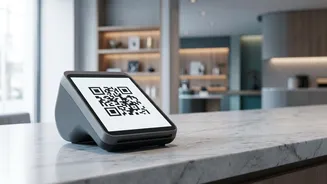
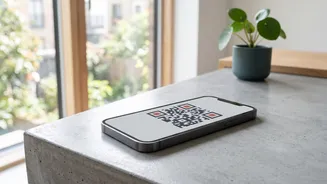
Fraudsters use several proven tactics. One of the most common is the fake 'collect request'. A scammer sends you a payment request, often disguised as a refund or cashback offer, hoping you'll approve it without realising you are sending money, not receiving it. Another prevalent method is the QR code scam, where you are asked to scan a code to receive money. However, scanning a QR code is only for making payments. Phishing scams also remain a major threat, where fake links sent via SMS or email lead to websites that steal your UPI PIN and other credentials. Lastly, be wary of scammers who trick you into installing screen-sharing apps, allowing them to see your PIN as you enter it.
The Golden Rules of UPI Safety
The single most important rule is to never share your UPI PIN with anyone. No bank, customer service agent, or government body will ever ask for it. Your PIN is required only when you are sending money from your account. You never need to enter your PIN to receive money. Always verify the name and UPI ID of the person you are paying before confirming the transaction. Many UPI apps now include spam warnings for suspicious requests; pay attention to these alerts. Decline any payment request from an unknown source. If an offer seems too good to be true, it almost certainly is.
Building a Secure UPI Habit
Incorporate a few simple habits into your routine for better security. Only download UPI and banking apps from official sources like the Google Play Store or Apple App Store to avoid malicious counterfeit apps. Avoid making transactions over public or unsecured Wi-Fi networks, where your data can be more easily intercepted. Regularly review your bank statements and transaction history for any unauthorised activity. Set a strong screen lock on your phone and use a different, complex PIN for your UPI transactions. Finally, if someone calls you claiming to be from customer support and asks you to download an app or share details, it's a major red flag.
What to Do If You've Been Scammed
If you realise you've been a victim of fraud, speed is critical. The very first step is to call the National Cyber Crime Helpline at 1930. Acting within the first few hours gives banks the best chance to hold the funds before they are withdrawn. Immediately after, report the fraudulent transaction to your bank and through the UPI app you used. You should also file a formal complaint on the National Cyber Crime Reporting Portal (cybercrime.gov.in). Preserve all evidence, including transaction IDs, screenshots of messages, and the scammer's phone number or UPI ID, as you will need them for your complaints.