




The High-Altitude Hurdle
Cooking in the mountains or at high elevations presents a unique challenge due to basic physics. At sea level, water boils at 100°C, a temperature hot enough to properly cook rice starches. However, as altitude increases, atmospheric pressure decreases,
causing water to boil at a lower temperature. For every 500-foot increase in elevation, the boiling point drops by about 0.5°C. At 1,500 metres (about 5,000 feet), water boils at around 95°C. This may not seem like a big difference, but it is. Rice starches need to reach a temperature of about 93-95°C to gelatinize, or fully absorb water and soften. At high altitudes, the water boils vigorously but may not be hot enough to cook the grains completely, leading to a hard, undercooked centre. To compensate, you need to increase both the cooking time and the amount of water to account for increased evaporation. A general rule is to add an extra 2-4 tablespoons of water per cup of rice for every 1,000 metres you are above sea level.
Why Your Pot Matters
The vessel you cook your rice in has a significant impact on the final texture. The key is heat distribution and retention. Thin-bottomed pots are prone to hot spots, which can scorch the rice at the bottom while leaving the top undercooked. Heavy-bottomed pots, such as those made from enameled cast iron, are excellent because they heat slowly and distribute that heat evenly, preventing burning. Material choice is also critical. Aluminum has high thermal conductivity, meaning it heats up quickly and evenly, reducing hot spots and producing consistently fluffy rice. Stainless steel, while durable, has lower thermal conductivity and can heat unevenly, sometimes requiring more attention to prevent sticking or scorching. Traditional clay or earthenware pots are another fantastic option. They heat slowly and retain warmth well, cooking the rice gently with a unique, slightly earthy flavour. A tight-fitting lid is equally important, as it traps steam, which is crucial for the final stage of cooking where the rice absorbs the remaining moisture and becomes fluffy.
Harnessing Your Heat Source
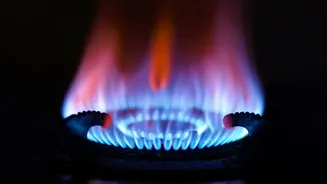
The type of stove you use—gas, electric, or induction—determines how heat is delivered to the pot. Each requires a slightly different approach. Gas stoves offer instant, responsive control. You can change the flame from high to low immediately, giving you precise command over the cooking process. This is ideal for bringing rice to a boil and then quickly reducing it to a gentle simmer. Electric coil or ceramic cooktops are different. They heat up and cool down much more slowly. An electric burner retains a lot of heat, so when you turn the dial down from high to low, the coil will stay hot for several minutes. To avoid boiling over or burning the rice, you might need to physically move the pot to a smaller, cooler burner or even off the heat for a minute to let the temperature drop. Induction cooktops offer the best of both worlds: the responsiveness of gas with the even heating of electricity. They use magnetic fields to heat the pot directly, offering incredibly fast and precise temperature control. No matter your heat source, the goal is the same: bring the rice and water to a boil, then immediately reduce the heat to the lowest possible setting to maintain a gentle simmer.
Tips for Perfect Rice Every Time
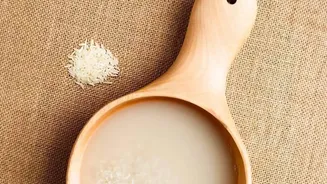
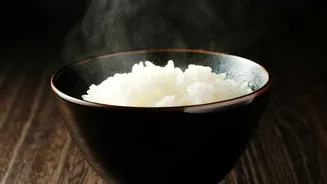
Mastering rice is about controlling the variables. First, always rinse your rice in cool water until it runs clear. This removes excess surface starch that can make the final product gummy. While ratios vary by rice type, a good starting point for white rice is 1.5 cups of water for every cup of rice. Once the water is boiling, add the rice, give it one gentle swirl to ensure the grains are submerged, and then put the lid on. From this point forward, resist the urge to stir or peek. Stirring activates starches and makes rice gluey, while lifting the lid lets precious steam escape. After the prescribed simmer time (usually 15-20 minutes for white rice), remove the pot from the heat and let it stand, covered, for another 10 minutes. This resting period is critical; it allows the rice to finish cooking in the residual steam and absorb any remaining surface moisture, resulting in separate, fluffy grains.