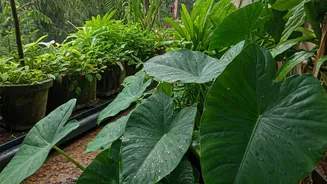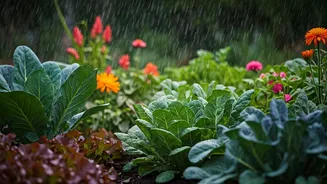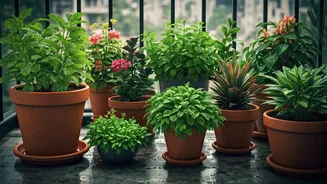



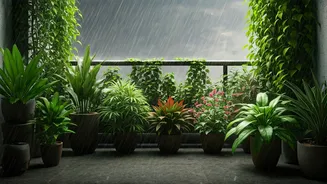


The Monsoon Advantage: Nature's Helping Hand
The secret to easier gardening during monsoon lies in its unique conditions. The high humidity and consistent moisture create an ideal environment for seed germination and plant growth, reducing the need for constant manual watering. Cooler temperatures
relieve plants from the intense heat stress of summer, while the warm, damp soil encourages faster canopy development. Research indicates that vegetables sown in monsoon can show 20–35% faster initial growth compared to those sown in winter. This season is also perfect for propagation; humidity boosts the success rate of rooting from cuttings and air-layering. Essentially, nature does much of the heavy lifting, allowing gardeners to focus on guiding their plants' growth rather than just keeping them alive.
What to Plant: Monsoon-Loving Vegetables and Flowers
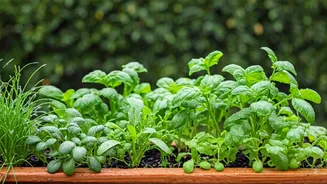
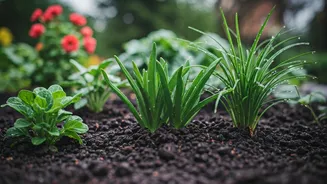
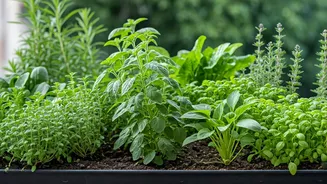
Choosing the right plants is crucial for a successful monsoon garden. Many vegetables thrive in these conditions. Excellent choices for pots and grow bags include leafy greens like spinach (palak) and amaranth (chaulai), which grow quickly. Vining vegetables such as bottle gourd (lauki), ridge gourd (turai), cucumber, and bitter gourd (karela) are vigorous growers this season, provided they have strong trellis support. Other reliable options include brinjal, green chillies, and okra (bhindi). For a splash of colour, consider monsoon-friendly flowers. Marigold, balsam, and zinnia are resilient and bloom profusely during the rains. Fragrant flowers like jasmine (mogra) and tuberose (rajnigandha) also flourish, their scents intensifying in the humid air.
The Golden Rule: Mastering Drainage
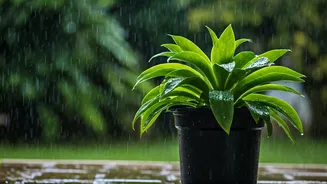
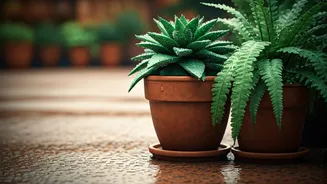
The single most important factor for success in a monsoon terrace garden is preventing waterlogging. While rain is a gift, too much of it can drown plant roots, leading to root rot. To avoid this, ensure every pot and container has ample drainage holes. Elevating pots on bricks or stands is a simple but effective way to allow excess water to escape freely and improve air circulation. It's also wise to prepare the right potting mix. A blend of soil, compost, and coco peat (a suggested ratio is 50:30:20) provides both nutrition and excellent drainage. On days with heavy rainfall, skip manual watering entirely and always check if the top inch or two of soil is dry before reaching for the watering can.
Managing Pests and Diseases Naturally
High humidity doesn't just benefit plants; it also creates a breeding ground for pests and fungal diseases. Common monsoon problems include slugs, aphids, mealybugs, and fungal infections like powdery mildew. Prevention is far more effective than treatment. Ensure good air circulation by leaving adequate space between your pots. Remove any yellowing or dead leaves promptly to prevent the spread of disease. Regular weeding is also essential, as weeds compete for nutrients and can harbour pests. A preventive spray of diluted neem oil every 10-14 days can act as a natural deterrent for many common pests. Avoid overhead watering; water plants at their base to keep foliage dry and reduce the risk of fungal growth.
Your Essential Monsoon Toolkit
You don't need a lot of equipment, but a few key tools will make managing your monsoon garden much easier. A good pair of pruning shears is essential for trimming away dead or diseased leaves and harvesting vegetables. Keep a natural pest-control solution, like neem oil, on hand for preventive spraying. For climbing plants like gourds and beans, a sturdy trellis or support stakes are a must to keep them off the ground and improve air circulation. Finally, adding a layer of mulch (like dry leaves or straw) on top of the soil can be very beneficial. It prevents soil from splashing onto leaves, which can spread fungal spores, and also helps regulate soil moisture.