


Beyond the Usual Suspects
Every year, thousands flock to iconic forts like Lohagad, Sinhagad, and Kalsubai. While beautiful, their popularity, especially on weekends, can lead to long traffic jams and crowded trails, diminishing the serene experience the monsoon promises. The
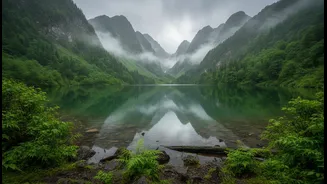
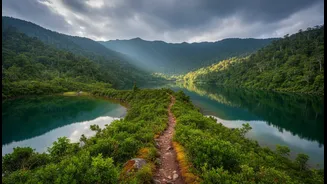
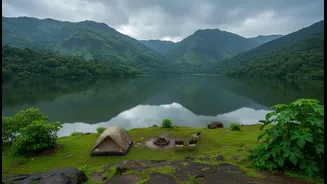
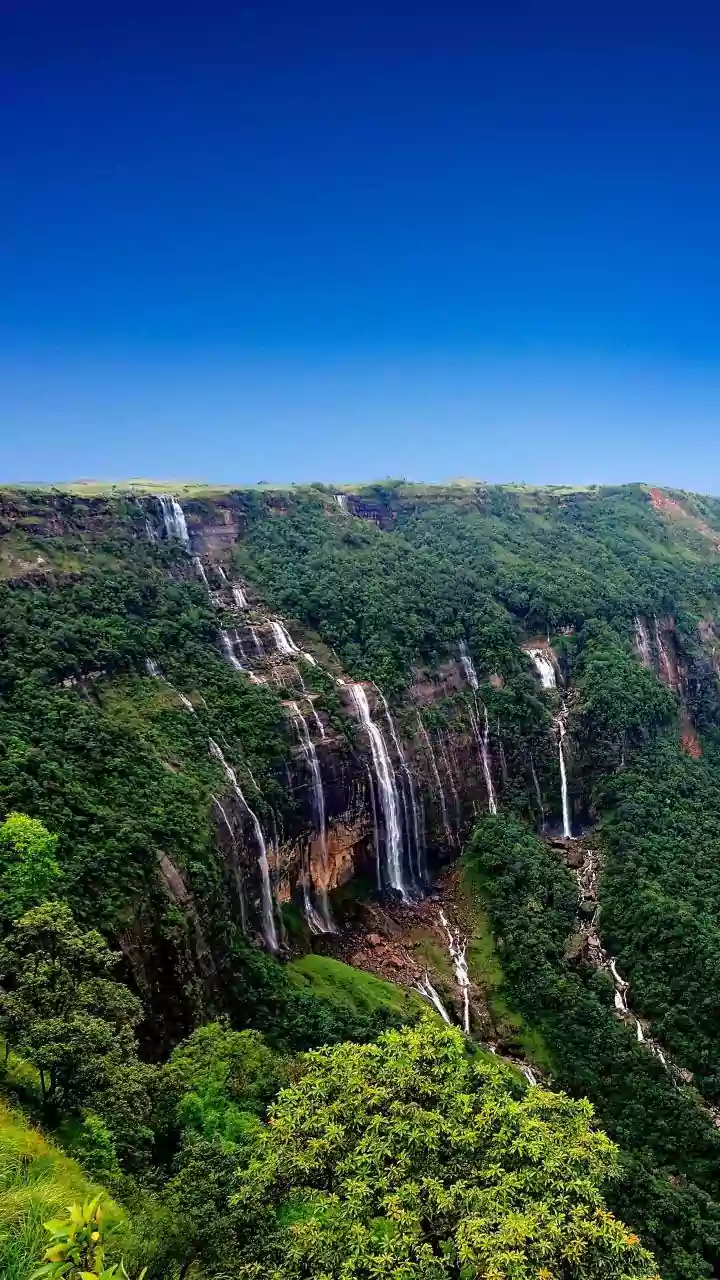
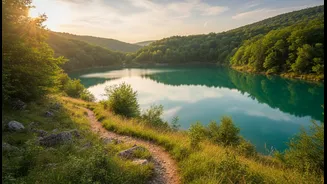
true magic, however, lies just beyond these bustling hubs. The Sahyadris are vast, and their dense forests and expansive plateaus conceal countless paths that offer the same breathtaking beauty—cascading waterfalls, misty peaks, and vibrant greenery—but with a fraction of the footfall. The key is to look for treks that are either moderately challenging, deterring casual tourists, or located in regions that haven't been heavily commercialized. These trails often lead to pristine lakes and offer a deeper connection with the raw, untamed nature of the Western Ghats during the monsoon.
Ratangad: The Jewel Overlooking Arthur Lake
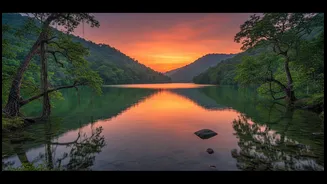
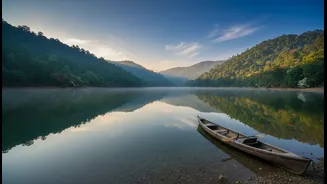
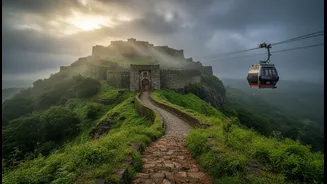
Overlooking the vast, shimmering expanse of the Bhandardara reservoir, also known as Arthur Lake, Ratangad Fort lives up to its name, which means 'Jewel Fort'. The trek, starting from the base village of Ratanwadi, is a moderate climb through dense forest. During the monsoon, the path is alive with small streams and lush foliage. Its most iconic feature is the 'Nedhe' or 'Eye of the Needle', a natural rock cavity near the summit that offers stunning framed views of the landscape. Because the climb requires a reasonable level of fitness, Ratangad filters out the massive picnic crowds common at easier forts. The reward is a panoramic vista of the Bhandardara region, including views of Alang, Madan, and Kulang forts, with the serene lake anchoring the entire breathtaking scene below.
Pawna's Quieter Trails: Beyond the Forts
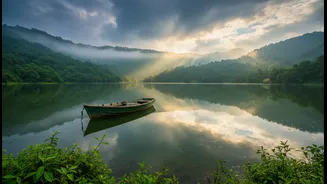
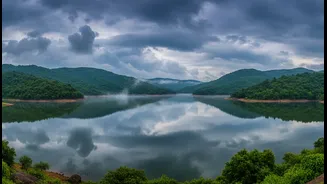
Pawna Lake is famously flanked by the popular trekking destinations of Tung, Tikona, Lohagad, and Visapur forts. These forts draw immense crowds, but the lake's vast perimeter holds a secret for those willing to explore. Instead of heading for the forts, consider the network of smaller trails that crisscross the hills on the lake's western and southern shores. These paths, used by locals, wind through paddy fields and small villages, offering uninterrupted and crowd-free views of the water. Tung Fort, while a known destination, is significantly less visited than its neighbors due to a steeper climb, making it a quieter alternative that still provides spectacular lakeside panoramas. Exploring these less-trafficked routes allows for a more intimate experience with the landscape, where the only sounds are the rain and the lapping of the lake's waters.
Bhimashankar's Deep Forest Canopy
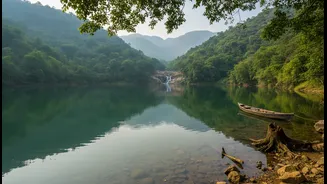
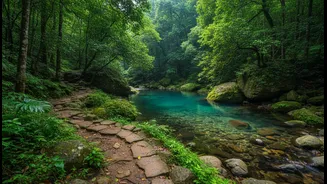
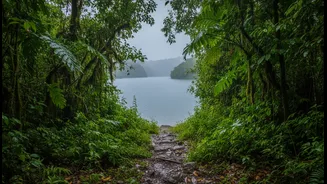
While the Bhimashankar Temple is a major pilgrimage site, the surrounding Bhimashankar Wildlife Sanctuary is a treasure trove of dense, old-growth forest. This protected area is the source of the Bhima River and is home to the state animal, the Malabar Giant Squirrel. Multiple trekking routes lead through the sanctuary, but for a truly immersive forest experience free from pilgrimage crowds, the trail from Bhorgiri is an excellent choice. This path takes you deep into the jungle, past hidden waterfalls and across streams, showcasing the incredible biodiversity of the Western Ghats. The dense canopy creates a world of its own, where mist hangs in the air and the forest floor is a carpet of green. It's a trek focused not on a summit but on the journey through one of Maharashtra's most pristine monsoon forests.
Responsible Monsoon Trekking
Escaping the crowds comes with a responsibility to preserve the very solitude and beauty you seek. When venturing onto these quieter trails, always go with an experienced guide or group, especially if you're unfamiliar with the route. The monsoon can make trails slippery and unpredictable. Wear proper trekking shoes with good grip and carry a reliable raincoat and a waterproof bag for your belongings. Inform someone of your plans before you leave. Most importantly, practice leave-no-trace principles. Carry all your waste back with you, do not play loud music, and be respectful of the local flora, fauna, and communities. The goal is to leave these pristine places just as you found them, ensuring they remain hidden gems for years to come.