





The Anatomy of Suede Regret
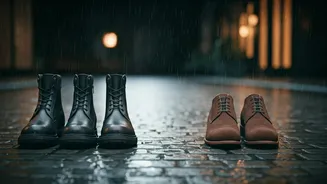
Let’s start with the villain of this story: suede. It’s soft, it’s luxurious, and it’s notoriously delicate when wet. [15] Suede is made from the underside of animal skin, which gives it that fuzzy, napped texture. [26] Unlike smooth leather, this texture makes
it highly absorbent. When exposed to rain, water doesn't just bead off; it soaks in, often leading to stubborn water stains, discolouration, and a change in texture. [15] The moisture can also cause the material to warp and lose its shape. [15] While some high-quality, specially treated suedes can handle a bit of rain, it’s generally a high-risk choice for a season defined by unpredictable downpours. [24, 25] The frustration of watching an expensive pair of shoes get ruined by a single walk in the rain is a feeling we call 'suede regret.'
The Unbeatable Champions: Rubber and EVA
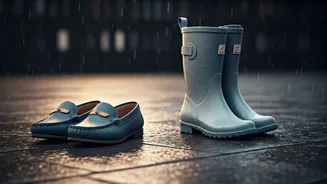
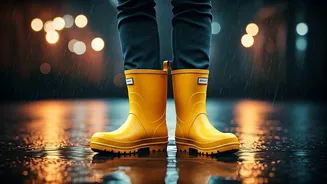
When it comes to monsoon-proof materials, rubber is the undisputed king. It's inherently waterproof, durable, and provides excellent grip on slippery surfaces. [3, 10] This is why classic gumboots or wellingtons are a rainy-day staple. [14, 20] But rubber’s utility has evolved far beyond heavy boots. Today, you can find stylish loafers, slip-ons, and sandals made from rubber that are perfect for daily commutes. [9, 12] A close contender is EVA (Ethylene Vinyl Acetate), a lightweight, flexible, and waterproof foam-like material. [9, 13] It's the star of many popular clog and sandal brands, loved for being incredibly comfortable, quick-drying, and easy to clean, making it a practical and popular choice across India. [13, 16, 19]
Stylish Synthetics: PVC and PU
Synthetic materials like PVC (Polyvinyl Chloride) and PU (Polyurethane) offer another fantastic, budget-friendly avenue for rain-ready style. [3] Like rubber, they form an impermeable barrier against water. [3] These materials are often used to create trendy jelly flats, translucent sandals, and faux leather shoes that offer a chic look without the water-damage anxiety. [4, 14] They are generally easy to wipe clean and maintain. [4] A pair of colourful PVC slip-ons or transparent block heels can be a playful and practical addition to your monsoon wardrobe, proving that you don’t need to spend a fortune to stay dry and stylish. [14]
Beyond Gumboots: Modern Rain Boots and Waterproof Sneakers
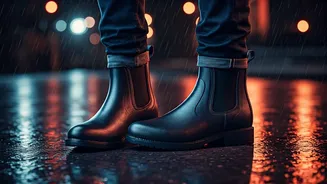
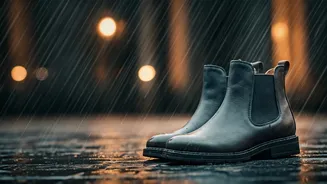
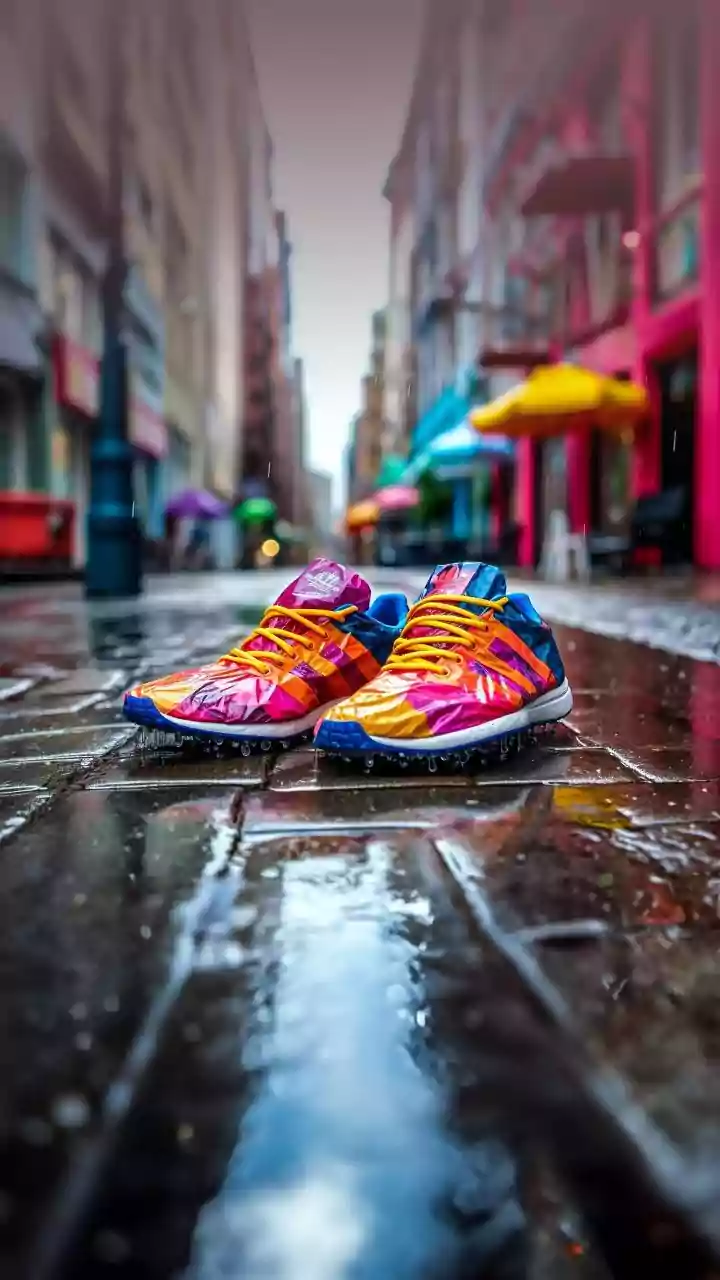
The word "rain boot" might conjure images of clunky, heavy wellingtons, but modern designs are far more versatile. You can now find sleek, ankle-length boots and even waterproof sneakers that blend function with fashion. [8, 9, 21] Many of these shoes feature advanced waterproofing technologies like special membranes (such as Gore-Tex) that are placed inside the shoe. These membranes have microscopic pores that are too small for water droplets to enter but large enough for sweat vapour to escape, keeping your feet dry from both rain and perspiration. [3] This makes them an excellent choice for those who are active or have a long commute. [3, 21]
The Practical Choice: Floaters and Clogs
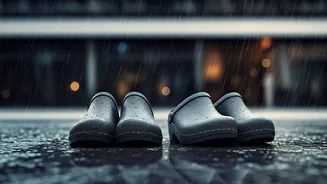
For maximum practicality, especially during heavy downpours and on waterlogged streets, nothing beats the utility of floaters and clogs. [16, 22] Clogs, often made from EVA or rubber, offer toe protection while their backless design allows water to drain easily. [19, 22] They are celebrated for their comfort and non-slip soles. [16] Floaters and waterproof sandals offer a similar advantage with their open design, ensuring your feet don't stay submerged in water if you step in a puddle. [8, 22] They are lightweight, dry quickly, and provide the necessary grip for navigating slippery pavements, making them a go-to for many during the Indian monsoon. [12, 19]
What to Look For: Grip, Fit, and Care
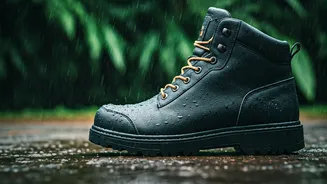
Regardless of the style you choose, there are a few non-negotiable features for any good monsoon shoe. First and foremost is an anti-slip sole. [9, 12] Check for deep grooves and a textured bottom that can provide reliable traction on wet and muddy surfaces. [9] Second, ensure the material is either fully waterproof (like rubber or EVA) or quick-drying. [9, 12] Finally, even the best rain shoes need care. Make it a habit to wipe them down after exposure to muddy water and let them air dry completely, away from direct sunlight, to prevent odours and material degradation. [2, 6] Stuffing them with newspaper can help absorb excess moisture from the inside. [4, 7]