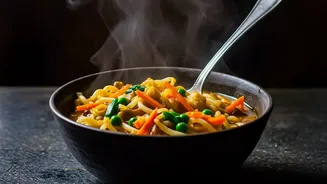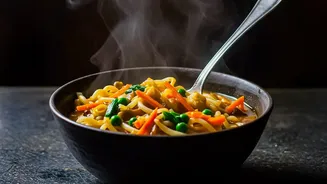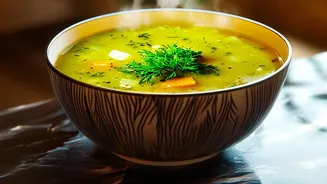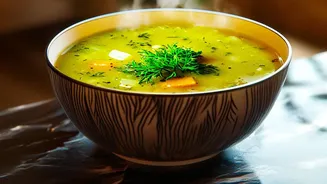

In the quest for hearty, healthy, and budget-friendly meals, one tiny seed stands out. A small scoop of dry quinoa possesses the remarkable ability to expand, turning a simple broth into a filling and nutritious meal for the whole family.
The Small Seed with a Big Impact
If you've ever
cooked quinoa, you've witnessed its kitchen magic. What starts as a small, granular seed swells to roughly three times its original volume when cooked. This impressive expansion is key to its power in the soup pot. Just one cup of dry quinoa can yield about three cups when cooked, meaning a little goes a long way in adding bulk and substance to your meals. This quality makes it an incredibly cost-effective way to stretch ingredients and create satisfying portions without overloading on less nutritious fillers. Whether you add it directly to the pot to cook with the broth or stir in a pre-cooked batch, quinoa transforms a light soup into a hearty stew-like meal.
A Nutritional Powerhouse in Every Spoonful
Beyond its ability to expand, quinoa brings a wealth of nutritional benefits to the table. Unlike many grains, it is a complete protein, meaning it contains all nine essential amino acids that our bodies need. This makes it an excellent addition for vegetarians, vegans, or anyone looking to boost their protein intake. Quinoa is also packed with dietary fiber, which aids in digestion and helps you feel fuller for longer. Furthermore, it's a good source of essential minerals like magnesium, iron, and folate, which are often lacking in modern diets. Adding quinoa to your soup doesn't just make it more filling; it makes it significantly more nourishing.
How to Use Quinoa in Your Soups
There are two main approaches to adding quinoa to soup, each with a slightly different result. First, always rinse your quinoa in a fine-mesh strainer under cool water to remove its natural coating, called saponin, which can taste bitter. For a thicker, more stew-like consistency, you can add the rinsed, uncooked quinoa directly to the pot with your broth and vegetables. It will cook in about 15-25 minutes, absorbing the liquid and releasing starches that naturally thicken the soup. A good starting point is to use about 1/4 to 1/2 cup of dry quinoa for every 4-6 cups of broth. Alternatively, if you prefer a clearer broth with distinct, fluffy grains, cook the quinoa separately according to package directions and stir it into the soup during the last few minutes of cooking, just long enough to heat through.
A Simple, Adaptable Vegetable Quinoa Soup
Ready to try it? Here’s a basic framework you can adapt with whatever vegetables you have on hand. Start by sautéing a base of chopped onion, carrots, and celery in a large pot with a little olive oil. Once softened, add minced garlic and any dried herbs you like, such as thyme or oregano. Pour in about six cups of vegetable or chicken broth, a can of diced tomatoes, and 3/4 cup of rinsed, uncooked quinoa. Bring the soup to a boil, then reduce the heat and let it simmer for about 20-25 minutes, or until the quinoa is tender and has 'popped' open. In the final five minutes, stir in a can of drained beans or some chopped leafy greens like kale or spinach. Finish with a squeeze of fresh lemon juice to brighten the flavors before serving.
Beyond the Soup Bowl
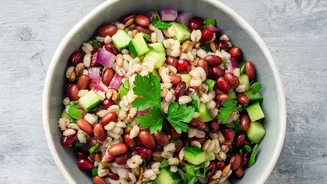
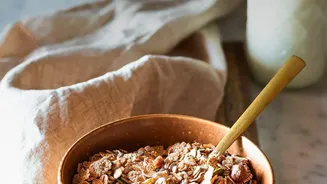
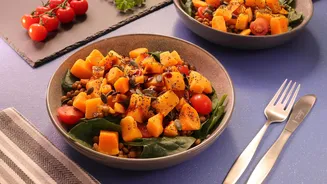
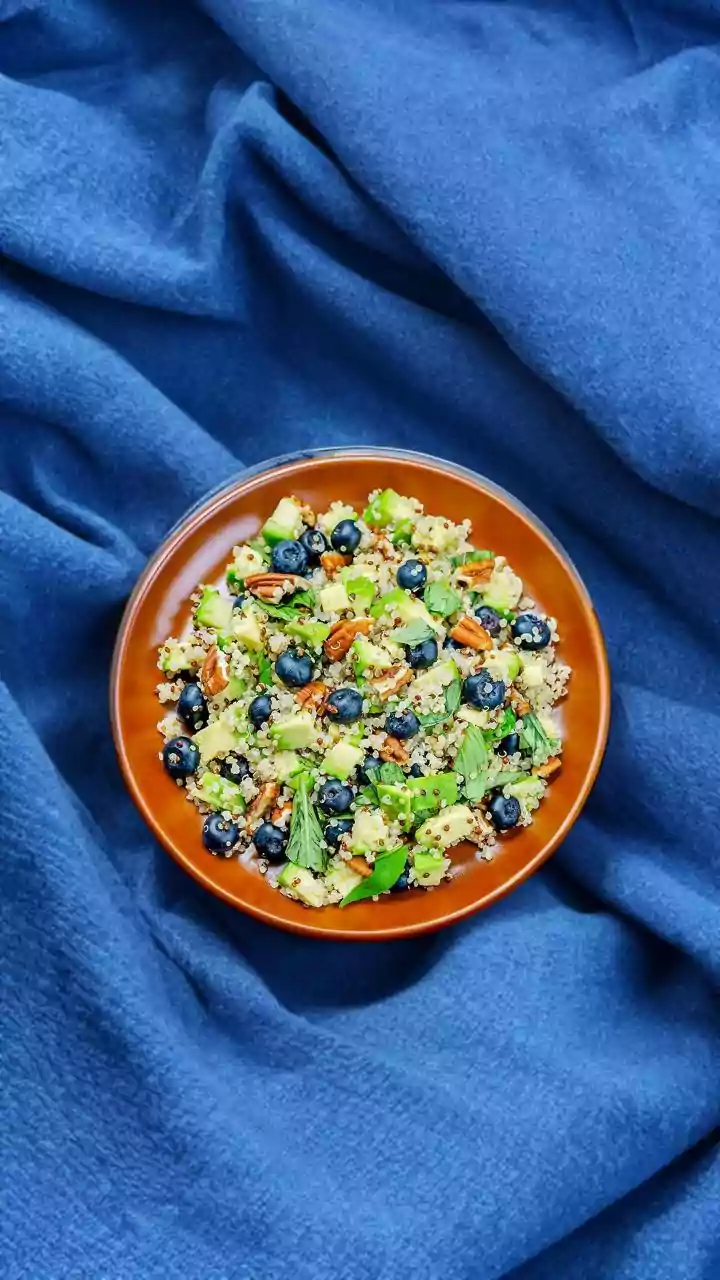
The versatility of quinoa doesn't end with soup. Its ability to absorb flavors and provide a satisfying texture makes it a fantastic base for countless dishes. Use leftover cooked quinoa to create hearty salads, nutritious breakfast bowls, or as a healthy side dish to replace rice or pasta. You can form it into veggie burgers, stuff it into bell peppers, or add it to casseroles and frittatas. By making a large batch at the beginning of the week, you can easily incorporate this superfood into a variety of quick, healthy, and budget-friendly meals.