





Bottle Gourd (Lauki)
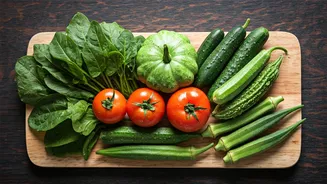
Often considered a humble vegetable, bottle gourd, or lauki, is a true monsoon champion. With its high water content (nearly 90%), it is incredibly hydrating and cooling for the body, which is a blessing in the humid July weather. Its high fibre content makes
it very easy to digest, helping to prevent common monsoon-related digestive issues like acidity and bloating. Lauki is also low in calories, making it a great choice for weight management. Because of its mild flavour, it is incredibly versatile. You can enjoy it in a simple sabzi, add it to dals for a thicker consistency, make comforting soups, or even prepare raita. For those looking to lose weight, starting the day with a glass of bottle gourd juice is a popular practice.
Bitter Gourd (Karela)
Don't let the name scare you away. Bitter gourd, known as karela, is one of the most healthful vegetables you can eat during the rainy season. It performs exceptionally well in monsoon conditions and is packed with nutrients that help boost immunity and prevent common seasonal illnesses. In traditional Indian medicine, it is highly valued for its ability to help regulate blood sugar levels, making it a staple for many. To reduce its bitterness, you can scrape the skin, remove the seeds, and marinate the pieces in salt and tamarind paste for about 30 minutes before cooking. This preparation makes it delicious when stir-fried, stuffed with spices, or added to a tangy curry.
Pointed Gourd (Parwal)
Pointed gourd, or parwal, is a star vegetable of the monsoon season, widely used across India. This small green vegetable is packed with dietary fibre, which aids digestion and helps prevent constipation. It's also a great source of vitamins A and C, antioxidants that are essential for maintaining a strong immune system and healthy skin. Parwal is known in traditional medicine to help with common ailments like coughs and colds, which are frequent during this time of year. Its mild, slightly sweet flavour and crunchy texture make it a versatile ingredient for curries, stir-fries, and stuffed vegetable preparations, pairing beautifully with potatoes and a range of Indian spices.
Indian Squash (Tinda)
Another monsoon favourite, the small, round Indian squash known as tinda is light, easy to cook, and gentle on the stomach. It is particularly valued during the rainy season for its anti-inflammatory properties, which can help soothe the digestive system and reduce issues like acidity or bloating. Rich in fibre and low in calories, tinda is another excellent vegetable for maintaining a healthy diet. Though some find its taste plain, its ability to absorb flavours makes it a wonderful addition to spiced curries. When buying tinda, look for small, tender ones with smooth, unblemished skin for the best taste and texture.
Beans and Brinjal
July is an ideal time to enjoy a variety of beans, which are easy to grow and highly nutritious. They are packed with fibre and can be used in everything from simple stir-fries to rich curries. Brinjal, or eggplant, also thrives during this season. While available year-round, certain varieties peak during the monsoon, offering a richer flavour. Brinjals are versatile and form the base of iconic dishes across the country, from Baingan Bharta in the north to Kathirikai curry in the south. Both beans and brinjal add substance and nutrition to your monsoon meals, making them both comforting and healthy.