


A Comforting Post-Festival Tradition
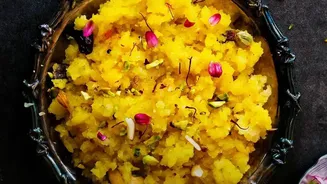
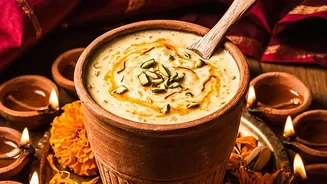
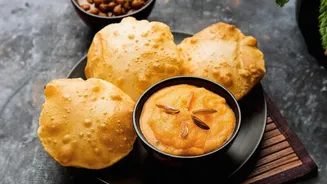
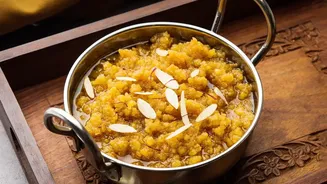
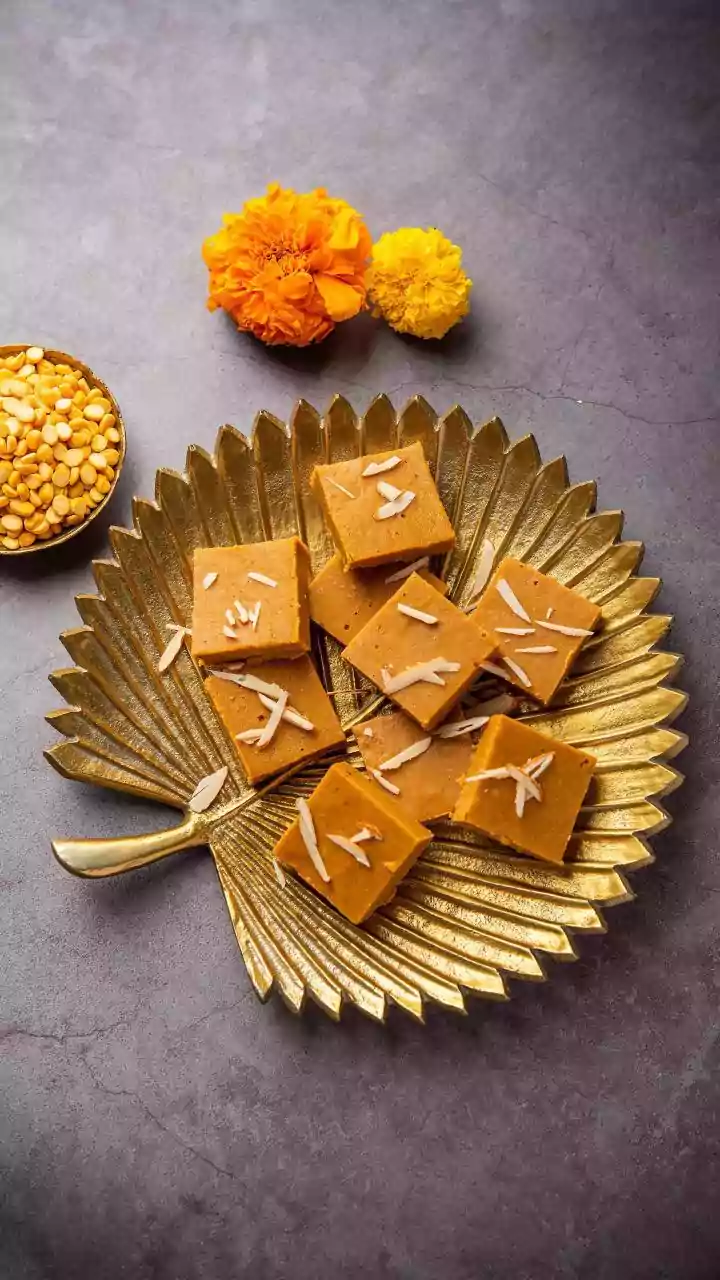
Besan Sheera, at its heart, is a simple yet profound dish made by slow-roasting gram flour (besan) in ghee, then simmering it with milk or water, a sweetener like jaggery, and aromatic spices. The result is a warm, semi-thick beverage or pudding with a nutty
aroma and a deeply satisfying taste. Traditionally, it's known as a go-to comfort food during the changing season or when someone is feeling under the weather with a cough or cold. After the whirlwind of Diwali, with its rich foods and late nights, the sheera serves as a gentle, nourishing reset for the system.
The Nutritional Power of Its Ingredients
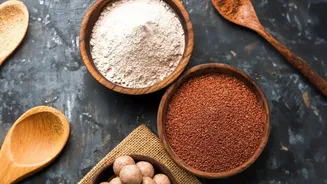
The magic of Besan Sheera lies in its wholesome components. Besan, or gram flour, is a nutritional powerhouse, being naturally gluten-free and rich in protein and fibre. This combination helps in providing sustained energy and promotes a feeling of fullness. Ghee, used for roasting, is a source of healthy fats that not only adds a rich flavour but also helps in the absorption of fat-soluble nutrients. Many recipes also include spices like turmeric and black pepper. Turmeric contains curcumin, known for its anti-inflammatory properties, while black pepper can aid digestion and enhance curcumin's absorption, making the dish more than just a simple sweet.
Food as Comfort, Not as a Cure
Herein lies the most important distinction: Besan Sheera is food, not medicine. While its warm, smooth texture is incredibly soothing for a sore throat and its ingredients offer nutritional benefits that can support your body's recovery, it is not a substitute for medical treatment. The warmth can help relieve congestion and the ghee can lubricate an irritated throat, which is why it feels so effective. However, these are supportive actions. An infection, for instance, requires a medical diagnosis and appropriate treatment. Thinking of sheera as a comforting ritual that supports well-being is the correct approach, rather than viewing it as a 'cure' for illness. Many traditional food systems recognize this distinction between nourishing foods and medicinal substances.
Making a Healthier Sheera at Home
Preparing this dish is straightforward. The key is to roast the besan in ghee on a low flame until it turns golden brown and emits a nutty fragrance, which takes about 15–20 minutes. Hurrying this step can leave the sheera with a raw, bitter taste. Once roasted, you can add warm milk or water, stirring continuously to avoid lumps. For a healthier twist, consider using jaggery instead of refined sugar for its mineral content. You can also control the amount of ghee to keep it light. Adding a pinch of turmeric, cardamom, or even grated ginger can enhance both the flavour and the nourishing properties of the dish. Served warm, it's the perfect way to wind down.