



Ladakh: The High-Altitude Desert
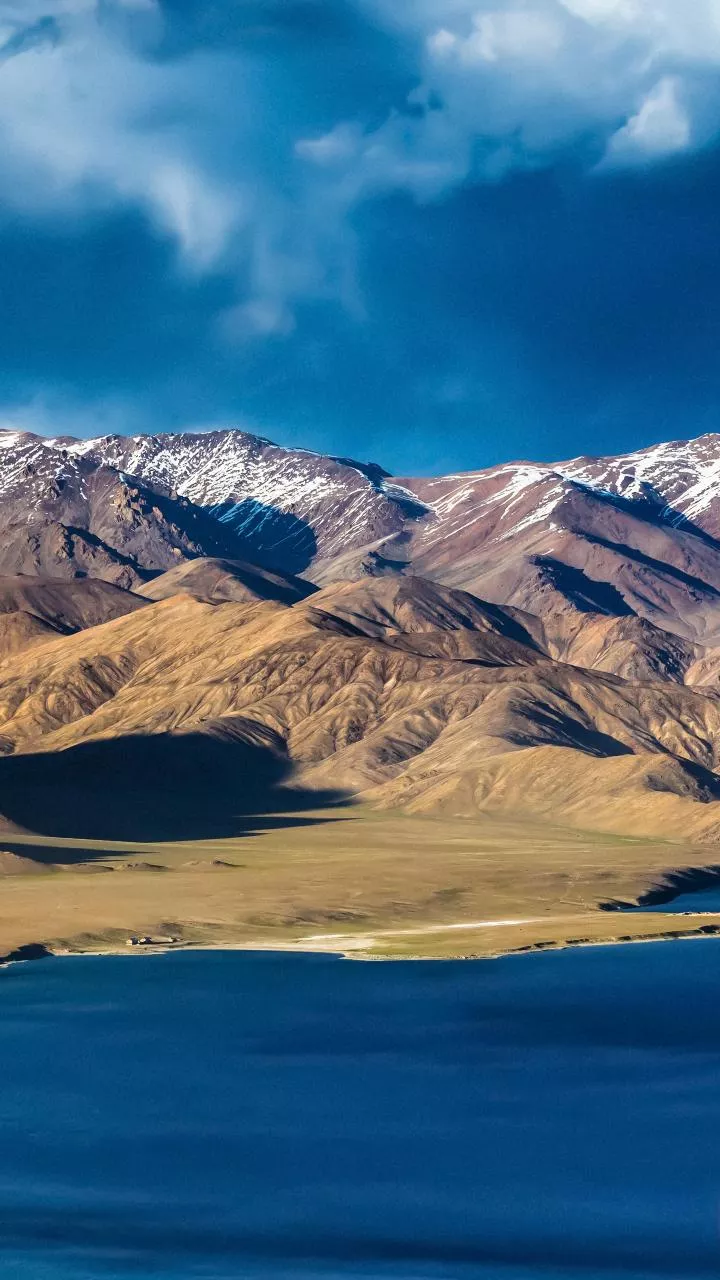
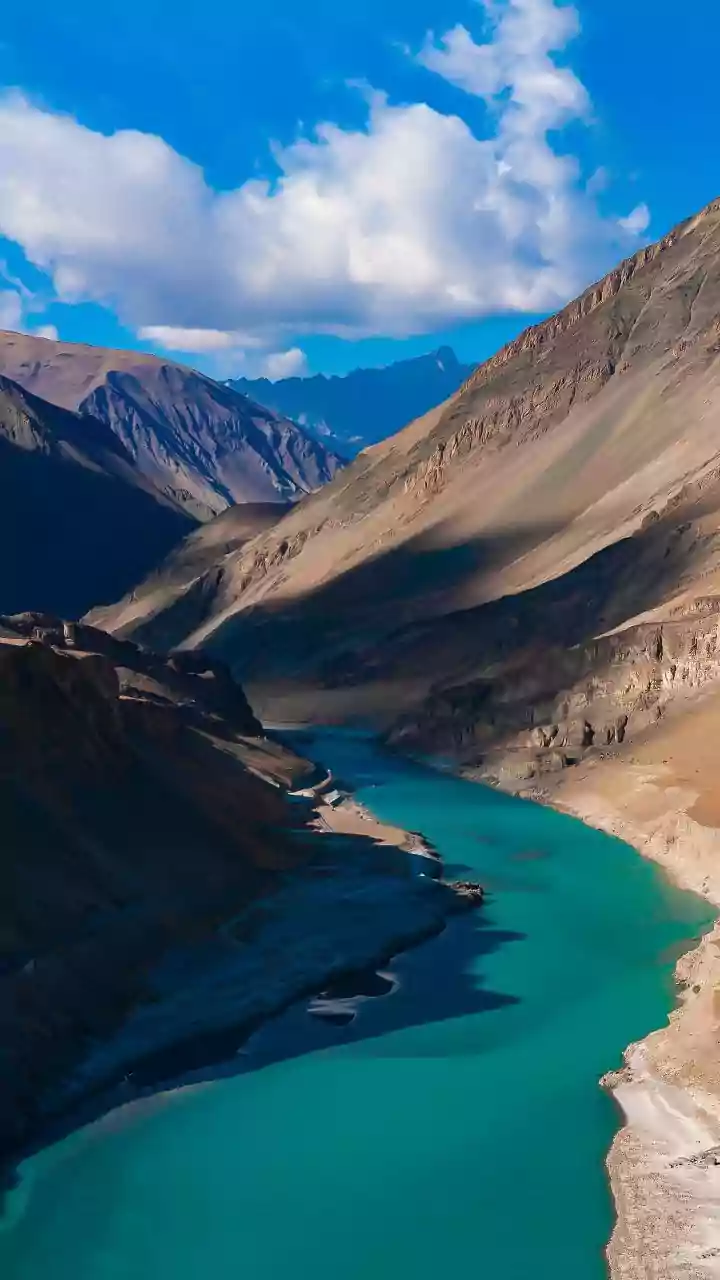
Often called the 'Land of High Passes', Ladakh is a classic example of a rain-shadow region. Tucked behind the mighty Himalayas, this cold desert remains wonderfully dry and sunny while much of India experiences heavy rainfall. The period from July to
September is considered one of the best times to visit, as the weather is pleasant, and the high-altitude passes that connect the region are reliably open. This is the ideal time for scenic road trips to witness the surreal, colour-changing Pangong Lake, explore the starkly beautiful Nubra Valley, and visit ancient monasteries perched on dramatic cliffs. While the rest of the country is under cloud cover, Ladakh offers clear blue skies and a unique landscape that briefly turns greener from the minimal moisture it receives.
Spiti Valley: The Middle Land
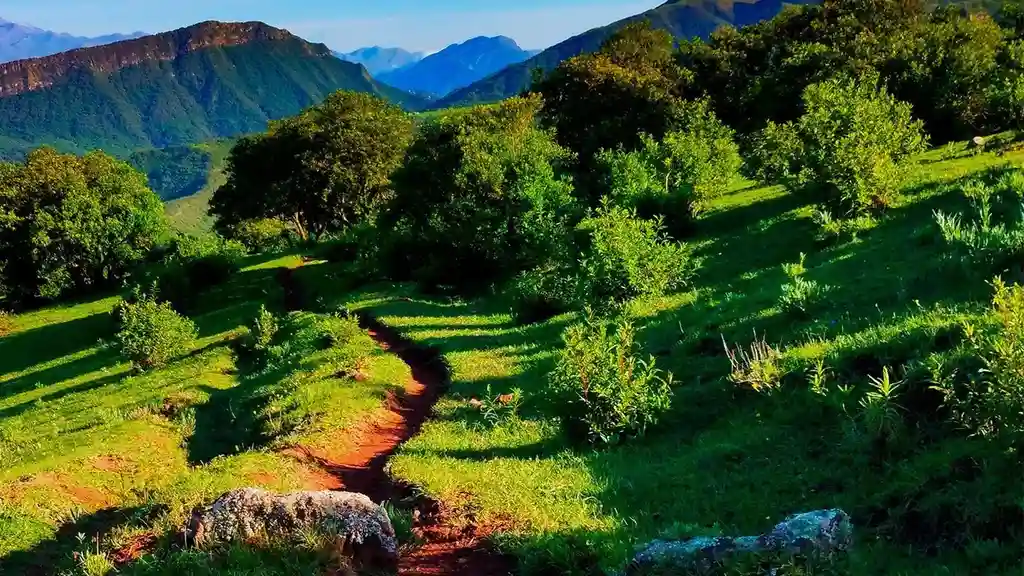
Like Ladakh, Spiti Valley in Himachal Pradesh is a cold desert shielded from the monsoon by the surrounding Himalayan ranges. The valley itself remains largely dry, transforming into a lush oasis that contrasts with its usually barren terrain. This makes it a fantastic alternative for those seeking a more remote and raw adventure. While the approach roads can be challenging due to landslides in lower-altitude areas, the destination itself is a haven of tranquility. The summer months are perfect for exploring its ancient monasteries like Key and Dhankar, visiting high-altitude villages, and admiring the pristine beauty of Chandratal Lake. The landscape, a stunning mix of barren mountains and green patches, is at its most vibrant during this time.
Tamil Nadu's East Coast: A Different Monsoon
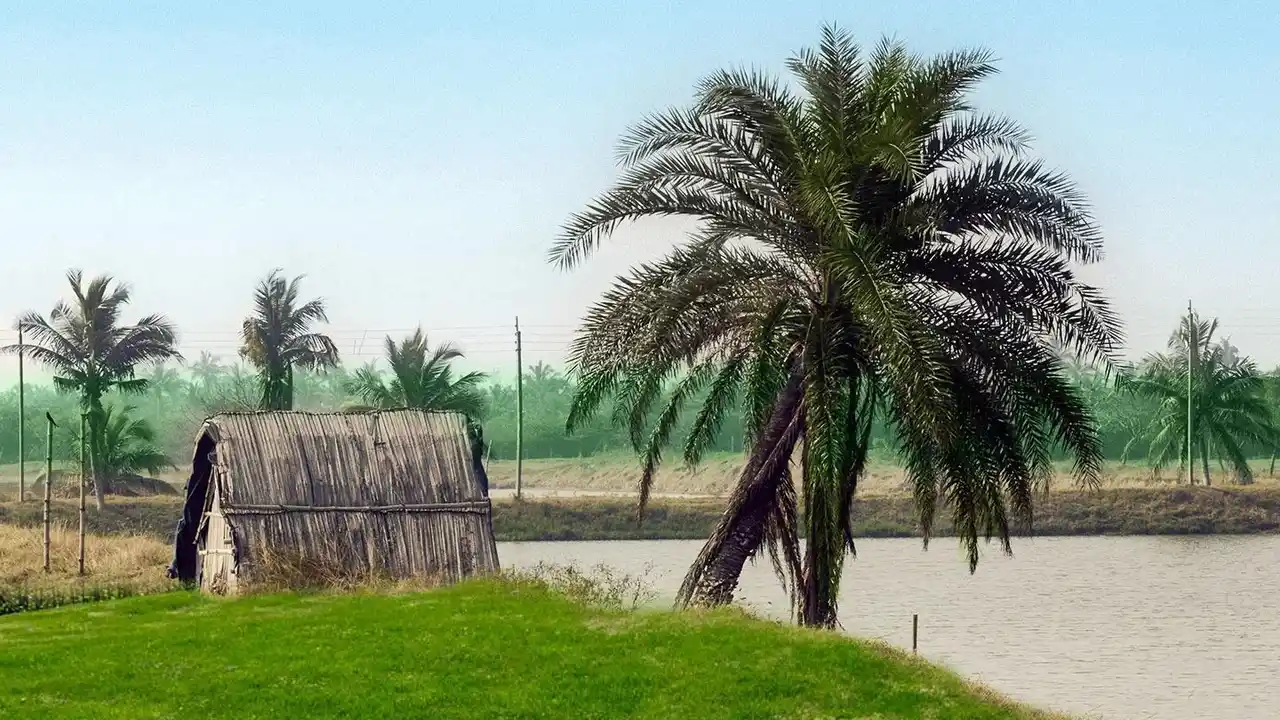
You don't have to head to the Himalayas to dodge the downpour. The southeastern coast of India, particularly in Tamil Nadu, experiences a different weather pattern. This region receives most of its rainfall during the Northeast Monsoon, which occurs from October to December. As a result, during the Southwest Monsoon months of June to September, cities like Chennai and the union territory of Puducherry remain relatively dry and sunny, albeit hot and humid. This offers a perfect opportunity to explore the charming French Quarter of Puducherry, relax by its beaches, or take a day trip to the temple town of Mahabalipuram without the interruption of constant rain.
Coimbatore's Rain Shadow: A Southern Sanctuary
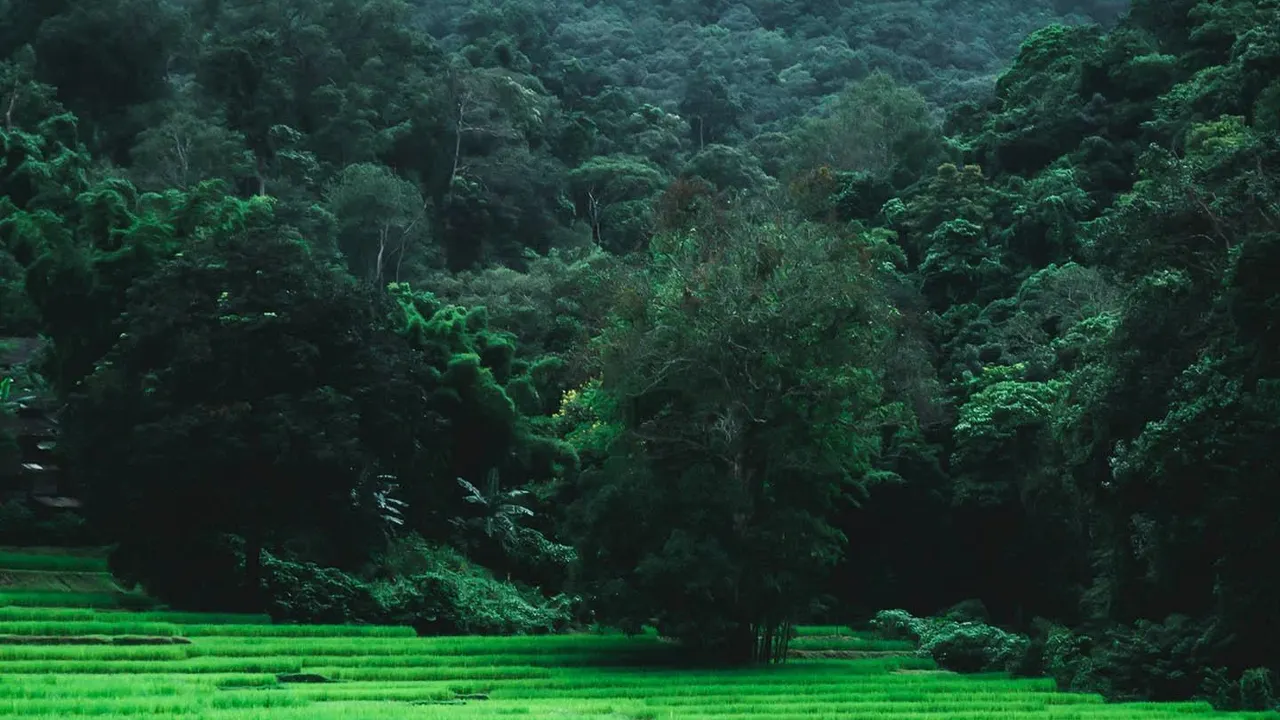
The eastern slopes of the Western Ghats provide another southern sanctuary from the peak monsoon. As the heavy, moisture-laden winds from the Arabian Sea release their rain on the western side (in states like Kerala), the leeward side in Tamil Nadu stays significantly drier. Cities like Coimbatore fall into this rain-shadow zone, receiving far less precipitation compared to their western counterparts. This makes it an excellent base for exploring the surrounding region, which offers its own unique charm. You can enjoy the pleasant weather and venture out to nearby hill stations or the plains that are lush but not waterlogged.
Valley of Flowers: Beauty Born from Rain
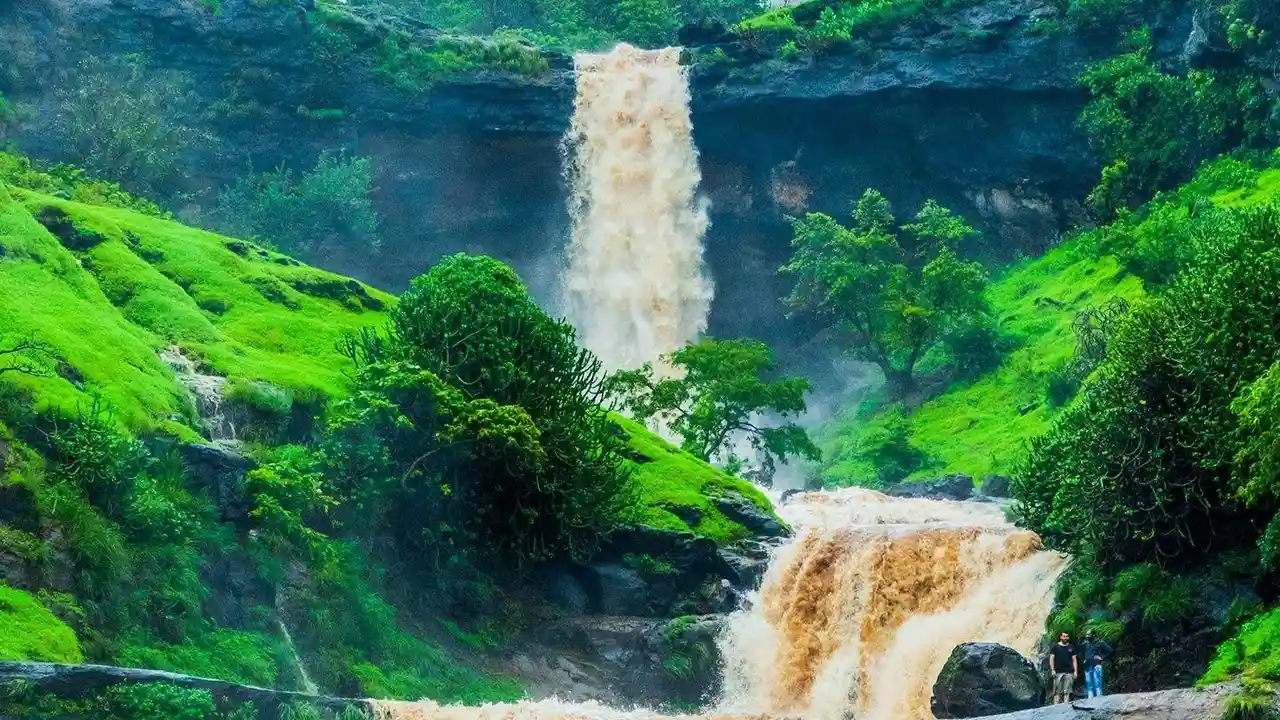
This final destination is a fascinating exception. The Valley of Flowers National Park in Uttarakhand is a UNESCO World Heritage Site that, counter-intuitively, is at its absolute best during the monsoon. While it does rain here, the unique geography of the valley shields it from destructive downpours, resulting in thick mist and gentle, daily showers instead. This moisture is precisely what triggers a massive bloom, turning the valley floor into a spectacular carpet of over 600 species of alpine flowers. Open from June to October, the park is most magical between July and September, when the flowers are in full bloom. It's an escape where you embrace the light rain to witness an extraordinary natural spectacle that is only possible during this season.