








The Invisible Danger in Floodwater
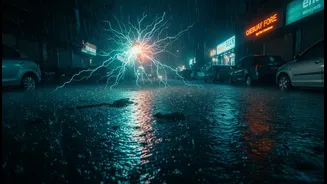
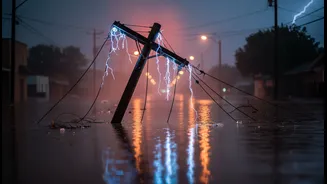
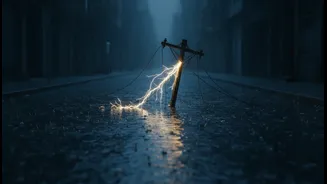
Water and electricity are a lethal combination. When streets flood, the water can become energised by downed power lines, submerged electrical junction boxes, or faulty wiring from streetlights and transformers. Water is an excellent conductor of electricity,
meaning this charge can travel silently and invisibly. The danger isn't just ankle-deep; a person wading through a flooded lane could be exposed to a fatal shock without warning. In India, where urban infrastructure is often strained and wiring can be old or exposed, the risk is magnified. This makes it critical to treat any standing water during the monsoon with extreme caution, as it could be carrying a live current.
Why Ground-Floor Homes Are Uniquely Vulnerable
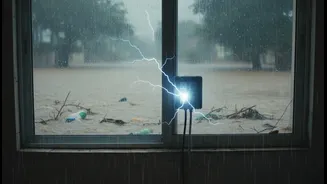
Residents of ground-floor properties face the highest risk. Your home's electrical system, including wall outlets, power strips, and main meter boxes, are often located just a few feet off the ground. When floodwaters rise and enter a home, they can easily submerge these electrical points. This doesn't just damage appliances; it turns the water inside your home into a live electrical field. Simply touching a metal doorframe or a submerged appliance could result in a severe or fatal shock. Furthermore, moisture can seep into walls and internal wiring, causing short circuits and increasing the risk of electrical fires even after the water appears to have receded.
Before the Monsoon: A Preparedness Checklist
Proactive measures are the best defence. Before the rains begin, hire a licensed electrician to inspect your home’s entire electrical system. Ask them to check for old or frayed wiring, ensure proper earthing, and repair any loose connections. This is also the time to install a Residual Current Circuit Breaker (RCCB) or a Ground Fault Circuit Interrupter (GFCI). These life-saving devices are designed to automatically cut the power supply if they detect a leak or an imbalance in the current, such as when electricity flows through water or a person. If your home is in a known waterlogging-prone area, consider elevating major appliances like refrigerators and washing machines on sturdy platforms. Lastly, ensure every adult in the household knows the location of the main power switch and how to turn it off safely.
During a Flood: Immediate Safety Steps
If water starts entering your property, your first and most critical action is to turn off the main power supply. Do this only if you can reach the main switch or circuit breaker panel from a dry spot. If the area around your meter box is already wet, do not touch it. Instead, call your electricity provider immediately and ask them to disconnect your power from the grid. Once the power is off, unplug all electrical appliances to protect them from potential surges when power is restored. Do not, under any circumstances, enter a flooded room to retrieve items or touch any electrical switch or device if the power is still on. Advise children and other family members to stay clear of any water inside or outside the house.
After the Water Recedes: A Cautious Recovery
The danger does not end when the floodwater is gone. Never attempt to restore power yourself. Water, salt, and silt from floodwaters can corrode wiring and electrical components, creating hidden fire and shock hazards. It is essential to have a qualified electrician thoroughly inspect your entire electrical system, including all wiring, outlets, switches, and the main panel, before the power is turned back on. Any appliance that has been submerged in water should be checked by a professional technician before being plugged in again; some may need to be repaired or replaced entirely. Even if they appear dry on the outside, moisture trapped inside can cause catastrophic failure.