


The Great Monsoon Migration
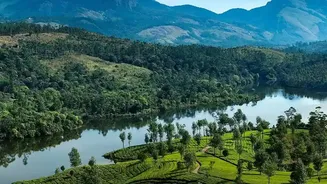
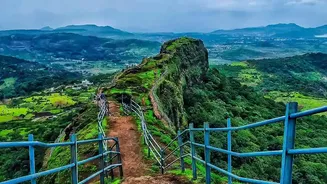
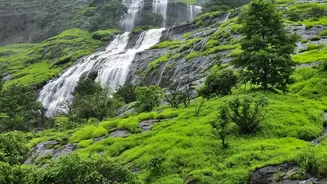
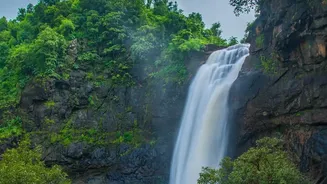
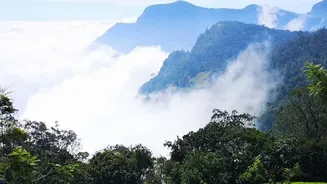
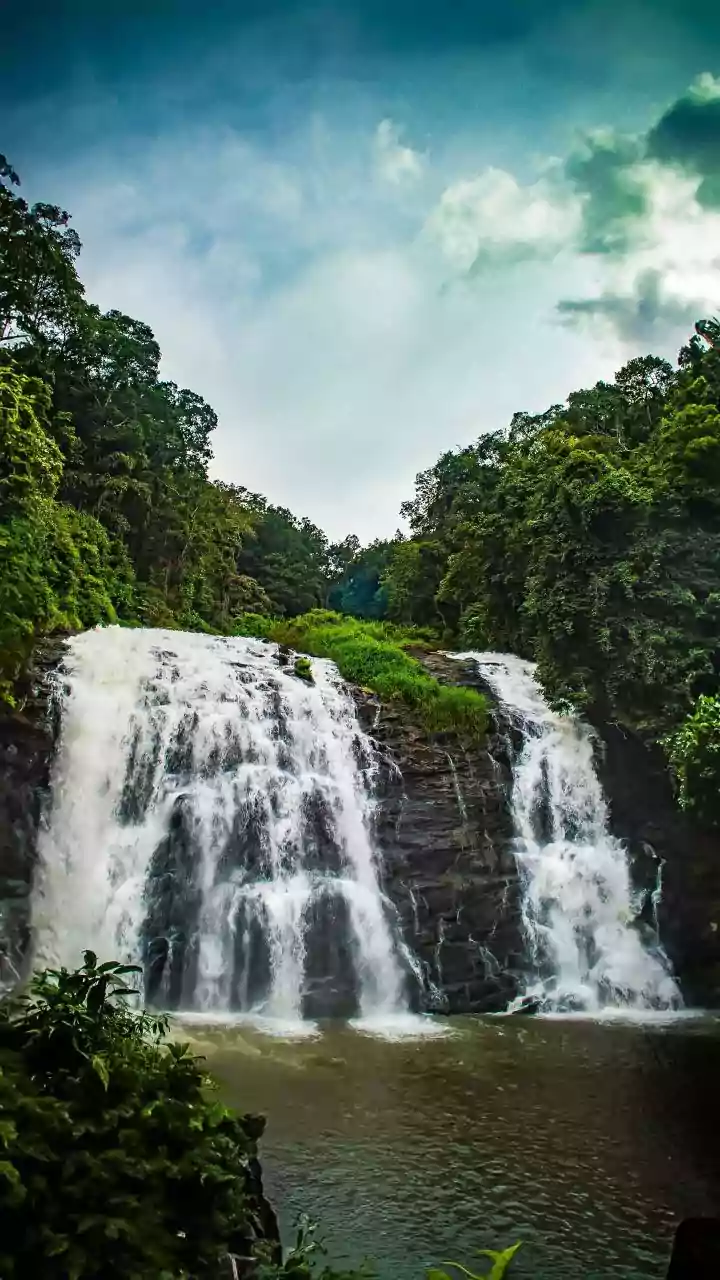
There’s a quiet revolution happening in India's travel scene. While monsoon has traditionally been considered an off-season for tourism, a growing number of city dwellers are now intentionally seeking out the rain. They are heading for the hills of the Western
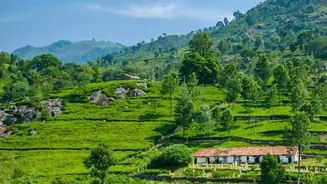
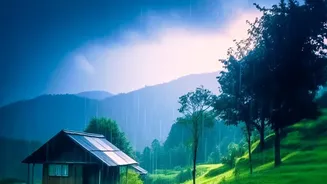
Ghats, specifically to boutique homestays nestled within sprawling coffee, tea, and spice plantations in regions like Coorg, Wayanad, and Munnar. Recent data shows a significant spike in bookings for these destinations during the monsoon months, with some areas seeing growth of nearly ten-fold. This isn't about sightseeing in the traditional sense; it's about immersing oneself in the season, trading traffic horns for the sound of rainfall and embracing a slower, more deliberate pace of life.
More Than Just a Room with a View
What sets these plantation stays apart is their authenticity. These are not sterile hotel rooms but often heritage bungalows or cottages set within working estates, managed by families who have lived there for generations. The experience is deeply personal: waking up to the smell of wet earth and freshly brewed coffee, joining the host for a walk through misty spice gardens, and spending afternoons reading on a verandah as clouds drift by. The stay becomes an education in itself, offering a glimpse into the cultivation of tea, coffee, or cardamom. This trend reflects a broader shift in travel preferences, where experiences are valued over mere destinations. Urban travellers are increasingly seeking meaningful retreats that offer a genuine escape from the stresses of city life.
Deconstructing the 'Detox'
The word 'detox' here carries a meaning far beyond fad diets. It’s a holistic reset for the mind and body. Firstly, it’s a digital detox; the often-patchy network coverage in these remote hills becomes a feature, not a flaw, encouraging guests to disconnect from screens and reconnect with their surroundings. Secondly, it’s a mental detox. The serene, green landscapes and the rhythmic sound of rain have a naturally calming effect, easing stress and mental fatigue. Lastly, many of these retreats incorporate principles of Ayurveda, India’s ancient system of wellness. The monsoon is considered the ideal time for such therapies, and the experience is about cleansing the system in a much broader sense.
The Ayurvedic Monsoon Connection
According to classical Ayurvedic texts, the monsoon season, or 'Varsha Ritu', is a time when the body is uniquely receptive to healing and cleansing. The cool, humid atmosphere is believed to soften tissues and open up the body's channels (srotas), allowing therapeutic oils and herbs to penetrate more deeply and effectively. During this period, our digestive fire ('Agni') is naturally weaker and certain bodily energies ('doshas') are aggravated, making it the perfect time for rejuvenation therapies that aim to restore balance and boost immunity. This is why Kerala’s traditional 'Karkidaka Chikitsa', a set of specific monsoon treatments, is so renowned. Many homestays and nearby wellness centres offer treatments like Abhyanga (warm oil massage) and Shirodhara, designed to work with the body's natural rhythms during this season.