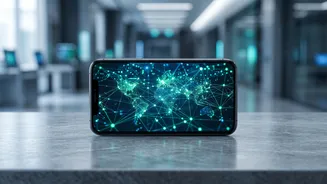









In a tightly contested presidential runoff, a political battle was won not just at the ballot box, but on millions of smartphone screens. Brazil's election showed how a digital army, organised on WhatsApp, could change a nation's political trajectory.
A Digital Battlefield Emerges
In the world of modern politics, the town square has gone digital, and nowhere was this more apparent than in Brazil's recent presidential election. For years, the Brazilian right, particularly supporters of the Bolsonaro family, had masterfully dominated the digital space, using platforms like WhatsApp to build powerful networks that spread political messages and mobilised voters. This online supremacy was a key factor in Jair Bolsonaro's 2018 presidential victory. However, when his son, Flávio Bolsonaro, faced Luiz Inácio Lula da Silva in a runoff election, the left revealed it had finally learned to fight fire with fire. After an unexpected loss in the first round of voting, Lula's campaign and supporters realised they were losing the war on social media and needed to overhaul their strategy.
The Rise of 'Lula's Army'
The game-changer was a WhatsApp channel called 'Exercito do Lula', or 'Lula's Army'. It was the brainchild of Congressman André Janones, a Lula ally who recognised the need for an aggressive, coordinated digital push. After Lula’s first-round defeat, Janones transformed the channel into a virtual command centre. What began with around 60,000 followers exploded to nearly 11 million subscribers in the three weeks leading up to the runoff vote. This wasn't just a passive group; it was a highly organised mobilisation platform. Janones, who Lula himself would later call 'our general', issued daily 'missions' to his digital 'soldiers'.
A New Playbook for Mobilisation
The strategy of 'Lula's Army' was both simple and relentless. Janones would send out urgent-sounding audio messages and instructions, often in all-caps, tasking followers with specific actions. These 'missions' included recruiting new members, sharing specific campaign videos, and promoting pro-Lula hashtags to make them trend on other social media platforms. This approach, described by academics as 'electoral gamification', gave millions of supporters a tangible way to contribute to the campaign, fostering a sense of collective purpose. Crucially, it taught them not just to forward official ads, but to create and share their own personalised content, making the campaign feel more organic and relatable. One successful mission involved supporters reclaiming the yellow Brazilian football shirt—a symbol long appropriated by the right—by posting photos of themselves wearing it while making an 'L' sign for Lula.
Lessons for a WhatsApp Nation
The success of this digital mobilisation in Brazil offers profound lessons for other democracies where WhatsApp is ubiquitous, particularly India. WhatsApp is the most popular application in Brazil and a primary source of news for many, a situation mirrored in India. The 2018 Brazilian election was known for the spread of misinformation through WhatsApp groups, a challenge Indian elections have also faced. Lula's comeback demonstrates how the same tools can be used for organised, grassroots political mobilisation. By creating a centralised command that issued clear directives to a decentralised network of millions, the campaign bypassed traditional media and social media algorithms to deliver its message directly. It proved that the digital dominance of one political wing is not permanent and can be challenged with the right strategy.