






Choose Destinations That Embrace the Rain
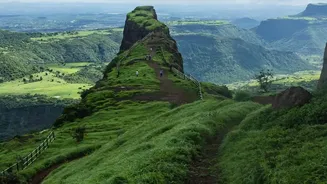
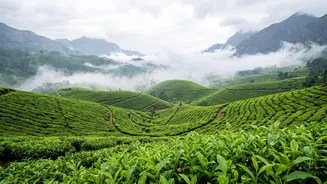
Not all destinations are created equal during the monsoon. While some become hazardous, others are at their absolute best. Instead of automatically cancelling travel plans, lean into places that flourish in the rain. The Western Ghats, for instance, transform
into a green paradise, with hill stations like Lonavala and Mahabaleshwar in Maharashtra becoming misty and refreshing. Further south, the backwaters of Kerala, particularly in areas like Alleppey, offer an atmospheric experience with rain falling over canals and lagoons. Similarly, destinations in Rajasthan, such as Udaipur and Bundi, shed their arid image for a surprisingly green and romantic look. These places are generally well-equipped for rain and offer a unique seasonal charm you can't find at other times of the year.
Identify and Avoid High-Risk Zones
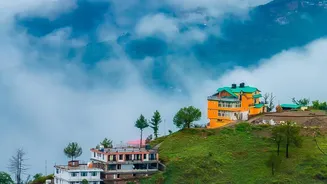
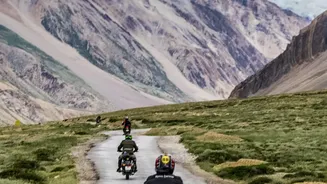
Equally important is knowing which areas to treat with caution. Many popular Himalayan destinations face significant risks of landslides and road closures during heavy rains. According to the Geological Survey of India, a significant portion of the Himalayan belt is prone to landslides. Regions like Himachal Pradesh and Uttarakhand, especially corridors leading to Manali, Shimla, and the Char Dham routes, frequently experience disruptions. Similarly, steep slopes in the Western Ghats, such as parts of Munnar and Wayanad in Kerala, have also been identified as vulnerable. Before booking, check recent news and official advisories for your intended destination. Swapping a high-risk mountain trek for a more stable coastal or plateau region can be a wise decision.
Go Beyond the Daily Weather App
A daily forecast is useful but insufficient for planning a trip weeks in advance. It's more effective to understand broader monsoon patterns and use reliable long-term resources. The official India Meteorological Department (IMD) website and its 'MAUSAM' app provide district-level forecasts and warnings. Private forecasters like Skymet Weather also offer detailed predictions and analysis across India, often in multiple languages. These tools can help you understand the likely intensity of rain in a specific region during your travel window. Look for extended forecasts and be aware that monsoon rain often arrives in intense bursts rather than a continuous drizzle, which affects daily activities and transport.
Prioritise Flexibility in Your Bookings
Flexibility is your best friend when planning a monsoon trip. Weather-related disruptions are common, with around 25-30% of traveller support queries during this season involving changes to flights and routes. When booking flights, consider direct routes to minimise the chances of missing a connection due to delays. For accommodation, look for hotels that offer free cancellation or 'pay at hotel' options. This allows you to change your plans without financial penalty if a weather warning is issued. The monsoon is generally considered an off-season for many destinations, which can lead to lower prices and better deals, but this benefit is lost if you're locked into a non-refundable booking. Read the cancellation policies carefully before you confirm any payment.
Pack for Rain, Humidity, and Delays
Your packing list needs a monsoon-specific upgrade. Beyond a basic umbrella and raincoat, think about practicality. Quick-dry synthetic clothing is far better than cotton, which stays damp and heavy. Waterproof footwear with a good grip is essential for navigating wet and slippery surfaces. To protect your valuables, use a waterproof backpack or carry a separate rain cover. Small dry bags or even zip-lock pouches are invaluable for keeping electronics, wallets, and documents safe from sudden downpours. Finally, since delays are possible, pack a power bank, snacks, and any essential medicines in your carry-on bag to stay prepared for unexpected waiting times.