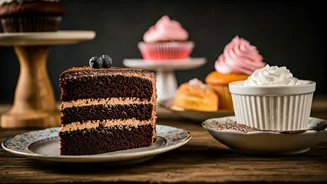





A Viral Sensation in the Kitchen
Scroll through any baking-focused social media feed, and you might notice a recurring star in a surprising number of chocolate cakes. It’s not a new type of fancy chocolate or an exotic spice, but a humble root vegetable: the beetroot. From vibrant Instagram
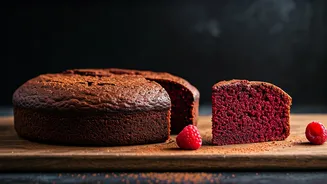
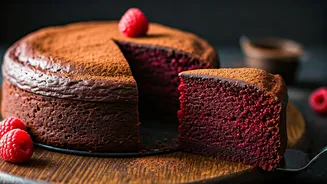
reels to detailed TikTok tutorials, home bakers and professional chefs alike are showcasing their versions of the beetroot chocolate sponge cake. The comment sections are filled with a mix of initial skepticism followed by glowing reviews from those who have tried it. This isn't just about creating a cake with a striking, reddish hue without artificial dyes; it's about a genuine improvement in texture and taste that has the online baking community captivated. The trend highlights a collective desire for smarter, more interesting baking, where ingredients are chosen not just for novelty, but for the real value they bring to the final product.
The Unlikely Hero: Why Beetroot?
So, why add a vegetable to a perfectly good chocolate cake? The magic of beetroot lies in its ability to transform the cake’s texture and nutritional profile. Beets are packed with moisture, and when pureed and added to a cake batter, they create an incredibly moist and tender crumb that stays fresh for days. [9, 12, 16] This natural moisture means you can often reduce the amount of oil or butter in a recipe, making for a lighter, yet still decadent, dessert. [9, 15] Beyond texture, beetroot provides a subtle, earthy sweetness, which allows bakers to cut back on refined sugar. [9, 12, 15] And while it’s still a cake, adding beetroot does introduce some nutritional benefits, including fibre, vitamins like folate, and minerals such as potassium and magnesium. [5, 6, 15] It's a classic baking secret, similar to using carrots or zucchini, that has found a new audience thanks to its impressive results. [2, 11]
But Does It Taste Like Vegetables?
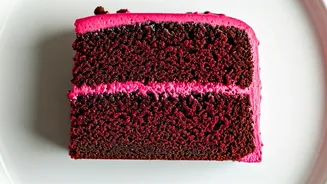
This is the most common question, and the answer is a resounding no. [2] When paired with rich cocoa or dark chocolate, the earthy notes of the beetroot fade into the background. Instead of tasting like a vegetable, the beet enhances the chocolate, making it taste deeper, richer, and more complex. [9, 12] Many bakers compare the combination to a high-quality red velvet cake, but with a more natural flavour and colour. [11, 16] The beetroot's natural sugars complement the bitterness of dark chocolate, creating a balanced and satisfying flavour profile that doesn't scream 'vegetable'. Most people who try it without knowing the secret ingredient are shocked to learn that beetroot is responsible for the cake's amazing texture and taste. [13, 15] One commenter on a popular recipe blog even noted that her husband, a staunch beetroot hater, declared it one of the best chocolate cakes he'd ever had. [2]
Tips for Your First Beetroot Bake
Ready to try it yourself? Most recipes call for cooked, pureed beetroot. [1, 2] You can boil or roast beets at home, but for a convenient shortcut, pre-cooked, vacuum-packed beets from the supermarket work perfectly—just be sure they are plain and not in vinegar. [1] It’s generally recommended to avoid using raw grated beetroot, as it can result in a denser cake where the vegetable's taste is more pronounced. [16] When preparing the beets, puree them until smooth to ensure they incorporate seamlessly into the batter. For the best flavour pairing, use a good quality cocoa powder or dark chocolate with at least 70% cocoa solids. [2] The strong chocolate flavour is key to masking any lingering earthiness from the beets. Don't be alarmed if the baking time is slightly longer than a standard chocolate cake; the extra moisture from the beets can require a few extra minutes in the oven. [1]