





A Uniquely Fragile Paradise
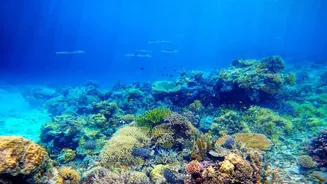
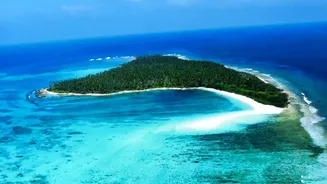
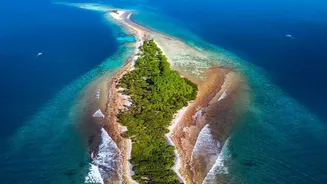
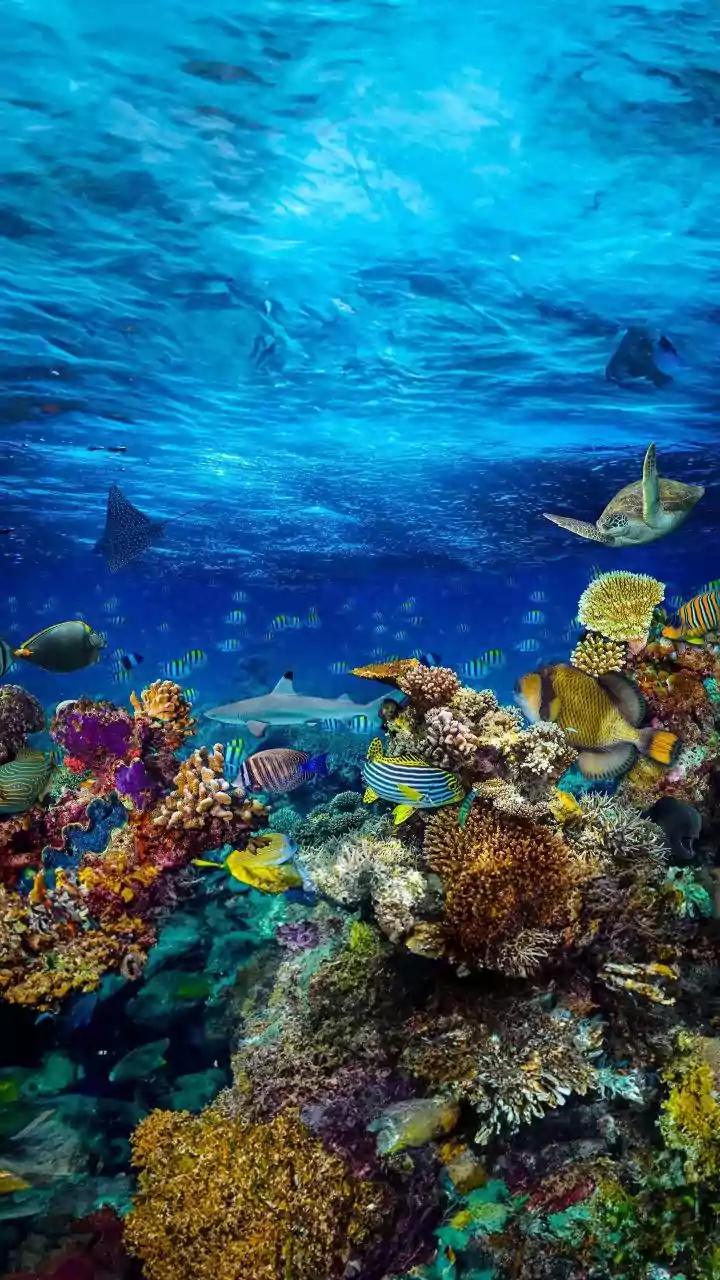
The Lakshadweep archipelago is a chain of 36 coral atolls, making it unique in India. The very existence of these islands is thanks to coral reefs, which act as natural barriers against storms and waves. This living wall surrounds tranquil lagoons that
are hotspots of marine biodiversity, home to vibrant fish, sea turtles, and other marine life. However, this ecosystem is extremely sensitive. Corals are living organisms that can be killed by pollution, physical damage from anchors or tourists, and rising sea temperatures caused by climate change. Once a reef is damaged, it can take decades to recover, if at all, jeopardizing not just the marine life but the structural integrity of the islands themselves.
Guarding the Gates to Paradise
The core of Lakshadweep's conservation strategy is controlling the number of visitors. Unlike many tourist destinations, you cannot simply book a flight and show up. All visitors, including Indian nationals, require a special entry permit. The administration's approach has been described as promoting low-volume, high-value tourism. This process is managed primarily by the Society for Promotion of Nature Tourism and Sports (SPORTS), a government body established in 1982. SPORTS operates most of the tourist resorts and ship-based packages, ensuring that all activities adhere to strict environmental guidelines. By centralizing control, the administration can manage visitor access and prevent the kind of mass tourism that could overwhelm the islands' delicate balance.
Strict Rules on the Ground
Once on the islands, tourists encounter a set of rules designed to minimize their environmental impact. A significant measure is the ban on single-use plastics. With limited land for waste disposal, preventing plastic from entering the ecosystem is critical. Reports show that non-biodegradable waste is a major concern, and the administration has a policy of transporting this waste to the mainland for recycling. Water sports like scuba diving and snorkeling are also tightly regulated. These activities are restricted to designated areas to prevent widespread damage to coral reefs from inexperienced divers or boat anchors. Furthermore, collecting corals or shells as souvenirs is strictly prohibited, ensuring the marine habitat is left undisturbed.
The Impact of a 'Low-Footprint' Model
This combination of restricted access and on-island regulations directly contributes to the protection of the reef ecosystem. Limiting the number of resorts prevents large-scale construction and the subsequent environmental degradation. The emphasis is on eco-friendly infrastructure, with resorts encouraged to adopt practices like rainwater harvesting and solar energy. The guided and supervised nature of recreational activities helps educate tourists on conservation while preventing accidental damage. This model ensures visitors can appreciate the natural beauty while also contributing to its preservation. The goal is to create a symbiotic relationship where tourism provides economic benefits to the local community without sacrificing the ecological health that makes the destination so appealing in the first place.
The Balancing Act for the Future
Despite these robust measures, Lakshadweep faces ongoing challenges. Climate change remains a significant threat, with rising sea temperatures causing coral bleaching events that are beyond the control of local tourism policies. There is also a constant debate about balancing economic development with environmental protection. Locals are concerned about access to lagoons for fishing and the potential cultural impact of increased tourism. While there are plans to expand tourism, experts and local communities advocate for a gradual and careful approach, ensuring that any new development adheres to the principles of sustainability. Managing waste effectively remains a persistent challenge as almost all goods are brought in from the mainland.