

The Search for Speed
In a world of packed schedules and endless to-do lists, time is the most precious commodity. This reality is dramatically changing how we approach the age-old question: “What’s for dinner?” For many, the idea of spending hours in the kitchen after a long
day is a non-starter. This has fueled a powerful movement towards recipes that promise results in 30 minutes or less. Food bloggers, culinary websites, and even meal-kit services are all catering to this demand for speed, recognizing that convenience is a key factor in the decision to cook at home versus ordering takeout. This isn't just about laziness; it's a practical response to modern life, where dual-income households and longer work hours leave less time for domestic tasks. The trend signifies a collective desire to reclaim the benefits of home cooking—better nutrition, cost savings, and the simple joy of creating something—without the hefty time commitment.
What 'Simple' Really Means
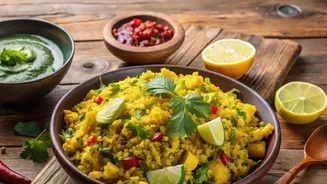
Simplicity in cooking has evolved to mean more than just easy-to-follow instructions. Today, a 'simple' recipe is defined by several key characteristics. First is a shorter ingredient list. Cooks are actively seeking out dishes that don’t require a trip to three different stores for exotic components. Fewer ingredients often lead to cleaner flavours and less prep time. Second is the rise of one-pot or one-pan meals. From traditional Indian khichdi to modern sheet-pan dinners, the appeal is universal: maximum flavour with minimal cleanup. This approach is not only efficient but also sustainable, using less energy and water. Finally, simplicity means forgiving techniques. Recipes that don't demand precise, chef-level skills are more approachable for beginners and build confidence in the kitchen. This focus on accessibility is encouraging more people to try cooking from scratch, a crucial step towards healthier eating habits.
Redefining a 'Healthy' Meal
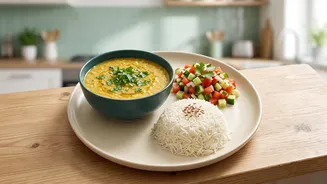
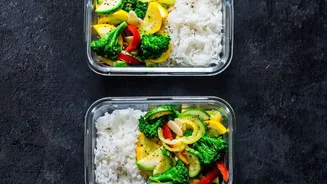
The definition of healthy eating itself is becoming more practical. While a decade ago it might have been associated with expensive superfoods and restrictive diets, today the focus is shifting towards balance and accessibility. For many, a healthy meal is now simply a home-cooked one, free from the high levels of sodium, sugar, and unhealthy fats often found in convenience foods and restaurant fare. This mindset shift is empowering. It suggests that a simple dal and rice, a quick vegetable stir-fry, or a straightforward roast chicken are powerful tools for wellness. The emphasis is less on achieving dietary perfection and more on the consistent practice of preparing your own food. This trend is also visible in India, where there's a renewed interest in traditional, wholesome ingredients like millets and makhana, which are being adapted into quick, modern snacks and meals.
The Indian Kitchen Adapts
In India, where culinary traditions are rich and often elaborate, the move toward simplicity is particularly noteworthy. While the love for complex, layered flavours remains, there's a growing recognition that everyday cooking needs to be faster. This has led to an explosion of 'assisted cooking' solutions, where pre-prepared base preparations bridge the gap between convenience and craft. Think ready-to-use ginger-garlic paste, high-quality bottled sauces, and pre-chopped vegetables. At the same time, home cooks are innovating, creating quicker versions of classic dishes. This might involve using a pressure cooker to speed up a dal that once simmered for hours or finding clever shortcuts for complex curries. Viral recipes for dishes like Hot Honey Paneer Toast or Creamy Garlic Mushroom Rice Bowls highlight a demand for meals that are both delicious and simple to assemble, proving that modern Indian cooking can be both authentic and fast.