







Warmth in a Bowl: The Magic of Soups
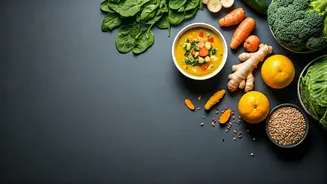
As dampness settles in, your body craves warmth. This isn't just about comfort; it's a biological signal. Warm, light soups are the perfect answer. They provide hydration, soothe the throat, and are incredibly easy to digest. A simple tomato shorba, a clear
vegetable broth, or a hearty lentil soup can be a meal in itself. The steam helps clear nasal passages, while the liquid base keeps you hydrated, a factor often overlooked in cooler weather. Focus on adding immunity-boosting ingredients like garlic, ginger, and a pinch of black pepper. These not only add flavour but also help fire up your metabolism and fight off the germs that thrive in the damp monsoon air.
Embrace Healing Spices
Indian kitchens are natural pharmacies, and the monsoon is the time to put that wisdom to use. Turmeric, or 'haldi', is your golden ticket to good health. Its active compound, curcumin, is a powerful anti-inflammatory and antiseptic. Add a generous pinch to your dals, vegetables, and even warm milk. Ginger is another superstar, known for its ability to combat nausea and aid digestion, which can become sluggish during this season. A cup of ginger tea is more than just a comforting ritual; it's a shield for your gut. Don't forget other heroes like cloves, cinnamon, and fenugreek (methi), which help regulate body temperature and keep infections at bay.
Go Light on Digestion: The Khichdi Cure
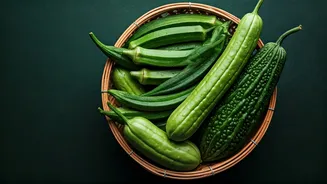
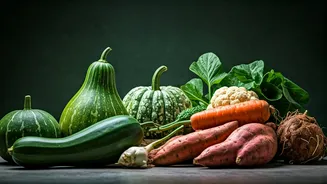
The humid monsoon atmosphere is believed to slow down our 'agni', or digestive fire, according to Ayurveda. This is why heavy, greasy, and complex meals can leave you feeling bloated and lethargic. Enter khichdi, the humble yet perfect meal for the season. A simple combination of rice and lentils, it's a complete protein that is exceptionally easy on the stomach. It provides sustained energy without taxing your digestive system. Customise it with seasonal vegetables like bottle gourd (lauki) or ridge gourd (turai) and temper it with cumin and asafoetida (hing) to further aid digestion. Think of it as a system reset in a bowl.
Smart Snacking: Steamed, Not Fried
The craving for hot, crispy pakoras is almost synonymous with a rainy day. While indulging once in a while is fine, relying on deep-fried snacks is a recipe for digestive distress. The high humidity makes it harder for the body to process excess oils. Instead, pivot to smarter, equally satisfying snacks. A roasted or steamed corn on the cob (bhutta), seasoned with lime and salt, is a classic monsoon delight. Other excellent options include steamed momos, dhokla, or idlis. These snacks provide that warm, comforting feeling without the heaviness and potential health risks associated with fried foods from street vendors, where oil quality and hygiene can be a concern.
Hydration Heroes: Herbal Teas and Kadhas
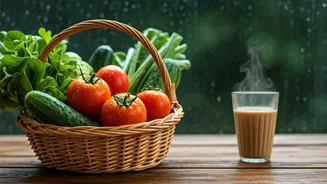
Thirst might not be as pronounced as in the summer, but staying hydrated is crucial for flushing out toxins. Instead of cold beverages that can disrupt digestion, turn to warm drinks. A traditional 'kadha'—a decoction made by boiling herbs and spices like tulsi, ginger, black pepper, and cloves—is an excellent immunity booster. If a kadha feels too intense, simple herbal teas made with lemongrass, mint, or chamomile are wonderfully soothing. These drinks not only provide hydration but also deliver a dose of antioxidants, helping your body's natural defense system stay strong against the seasonal flu and colds.
A Note on Raw Foods and Greens
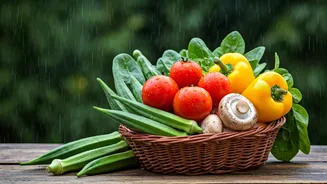
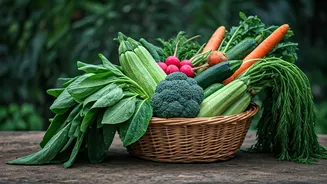
Traditional wisdom advises caution with raw vegetables and leafy greens during the monsoon, and for good reason. The increased moisture in the air and soil provides a fertile breeding ground for germs and bacteria. Leafy vegetables like spinach and cabbage can harbour dirt and worms that are hard to wash away. It’s safer to opt for well-cooked, steamed, or boiled vegetables. If you must have a salad, ensure the vegetables are washed thoroughly in a solution of warm water with salt or vinegar. Choosing vegetables with thick skins that can be peeled, like cucumbers and carrots, is also a safer bet. It’s a small precaution that goes a long way in preventing stomach infections.