


Defence Starts from Within
The most effective strategy against water damage is layering your protection. Before your items even go into a suitcase or backpack, give them their own individual shields. For laptops and tablets, a dedicated waterproof or water-resistant sleeve provides
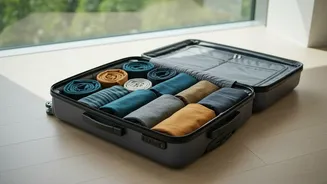
a crucial first barrier. When it comes to clothes, consider using waterproof compression bags instead of standard packing cubes. These not only save space but also ensure your garments stay completely dry even if the outer bag gets damp. For smaller gadgets, documents, and medications, simple zip-lock bags can be surprisingly effective for shielding against unexpected splashes.
The Power of Silica Gel
Humidity is the unseen enemy during rainy weather, capable of seeping into your luggage and causing moisture damage even without direct contact with rain. This is where silica gel packs become invaluable. These small desiccant packets are incredibly effective at absorbing moisture from their immediate environment. Distribute a few packets throughout your luggage, placing them inside camera bags, laptop compartments, and among your clothes. They create a dry microclimate that protects sensitive electronics from condensation and prevents clothes and shoes from developing a damp, musty smell. It's a lightweight, inexpensive solution that offers significant protection.
Choose the Right Outer Barrier
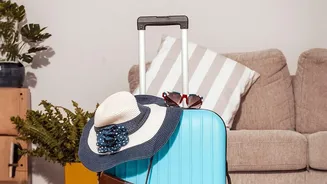
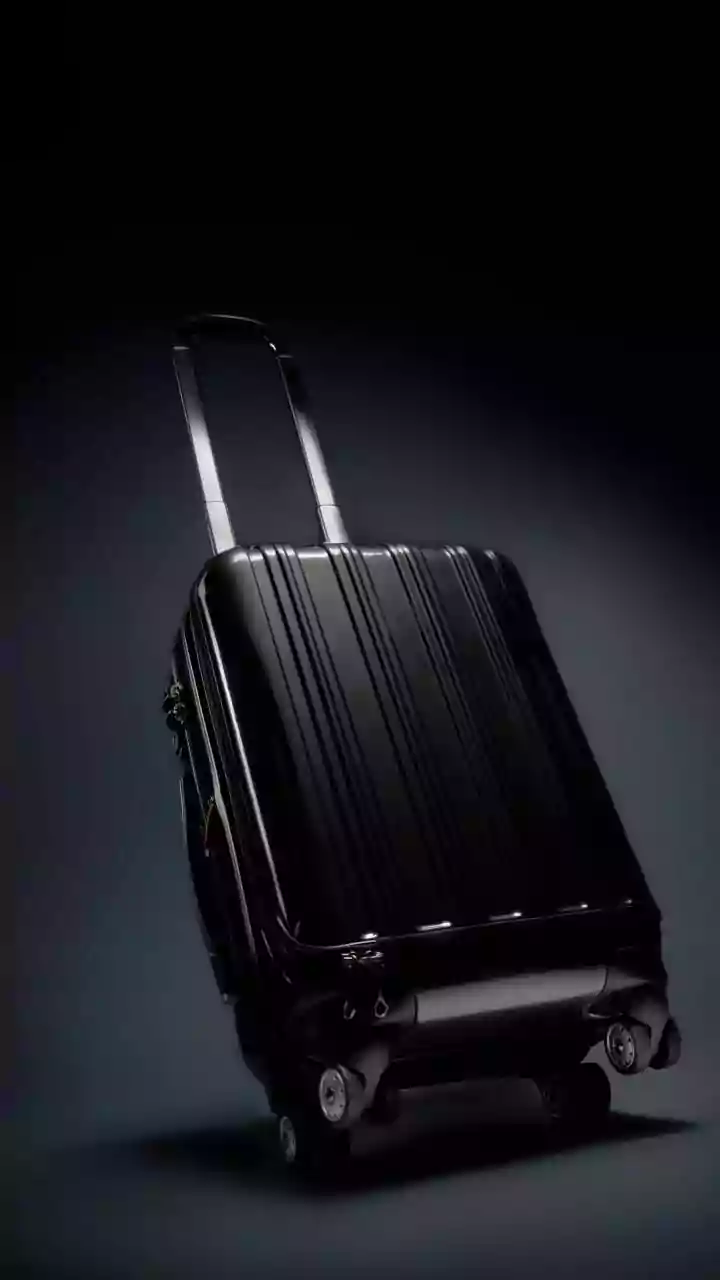
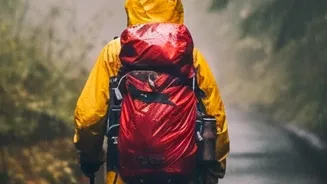
Your main luggage is the next critical line of defence. If you're using a backpack or soft-sided duffel bag, a dedicated rain cover is non-negotiable. These covers are lightweight, pack down small, and can be deployed in seconds when a downpour begins. For suitcases, hard-shell luggage generally offers better protection against rain than fabric models. However, remember that zippers are a common weak point. Some travellers even apply beeswax or a silicone lubricant to bag zippers to improve their water resistance. As a simple, low-cost hack, you can line the inside of any fabric bag with a heavy-duty bin liner for an extra layer of waterproofing.
Mind the Gaps: Vehicle to Shelter
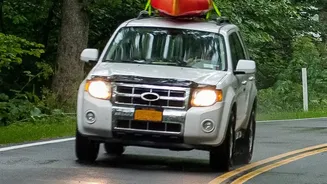
One of the most vulnerable moments for your belongings is the short but exposed journey from your vehicle to your hotel, home, or a roadside stop. A heavy downpour can soak a bag in the few seconds it takes to get under cover. Plan this transition. Keep a large umbrella handy specifically for shielding your luggage. If you don't have one, large plastic bags can be quickly thrown over a backpack or suitcase for that brief dash through the rain. The key is to have these items accessible, not buried at the bottom of your car boot.
Damage Control: If Water Gets In
If the worst happens and your electronics get wet, acting quickly is paramount. Power down the device immediately and, if possible, remove the battery. Do not attempt to turn it on to see if it still works, as this is when short circuits cause the most damage. Gently wipe the exterior with a dry cloth. Avoid using a hairdryer, as the heat can damage internal components. Instead, place the device in a sealed container with a desiccant like silica gel packets for at least 48 to 72 hours to draw out the internal moisture. This method is far more effective than the commonly cited trick of using uncooked rice, which can introduce dust and starch into the device.